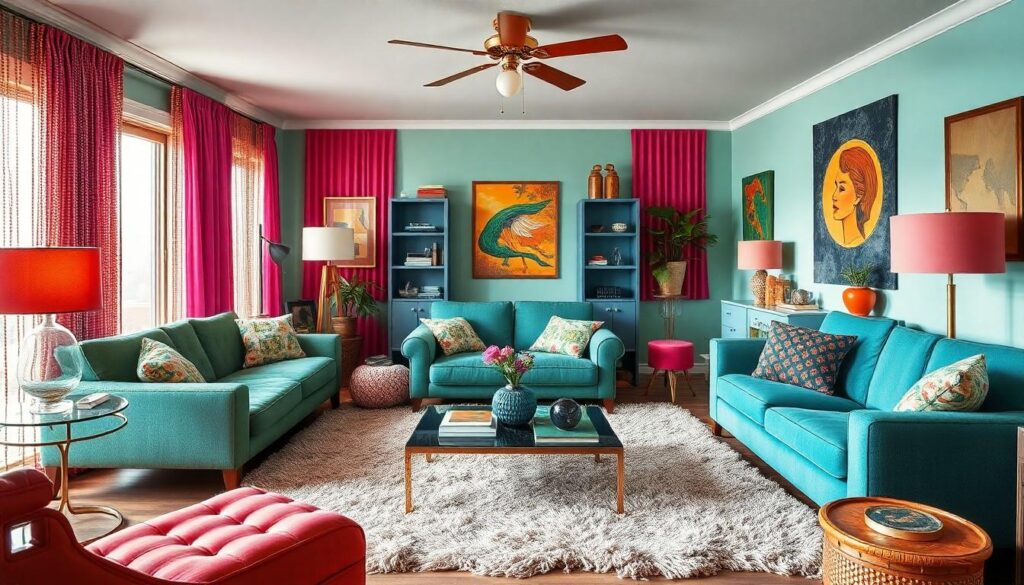
Step into the time machine and buckle up for a wild ride through the 2000s, an era that brought us some of the most unforgettable interior design trends. Think bold colors, oversized furniture, and a sprinkle of kitsch that made every living room feel like a scene from a sitcom. If you thought shag carpets and beaded curtains were just a phase, think again—they were the hallmarks of a decade that embraced the quirky and the outrageous.
From the rise of minimalist chic to the explosion of DIY creativity, the 2000s transformed homes into personal statements. With a dash of nostalgia and a whole lot of flair, this decade’s design choices still spark joy (and a few laughs) today. Join the journey as we explore the trends that defined a generation and discover why they’re making a comeback in modern homes.
Overview of 2000s Interior Design
2000s interior design showcased a mix of eclectic styles. Bold colors defined many spaces, with bright reds, blues, and yellows dominating walls and furnishings. Oversized furniture, including large sofas and chairs, added comfort and presence to living areas. Quirky elements, such as shag carpets and beaded curtains, brought unique character to homes.
Minimalism emerged as a significant trend during the decade. Clean lines and uncluttered spaces attracted those preferring a more serene environment. On the other hand, DIY creativity became popular, allowing homeowners to express themselves through personalized touches in décor. Many embraced this trend, crafting unique pieces from thrift store finds and cheap materials.
Digital influences shaped design choices within this era. Technological advancements led to modern appliances and integrated home entertainment systems. Sleek finishes and minimalist aesthetics often accompanied these innovations, creating seamless blends of form and function.
Eclecticism remained prevalent as well. Mixing vintage items with contemporary pieces transformed rooms into personal galleries. Designers encouraged combining patterns, textures, and colors freely. This approach allowed individuality to shine through each space.
Sustainable practices began creeping into the mainstream. Eco-friendly materials and furniture gained traction as awareness of environmental impact grew. Many sought organic fabrics and reclaimed wood, reflecting a commitment to sustainability.
The popularity of these trends resonates today. Some homeowners revisit these design choices, reinvigorating spaces with nostalgia while integrating modern sensibilities. This blend showcases a compelling connection between the past and present in interior design.
Key Characteristics of 2000s Interior Design
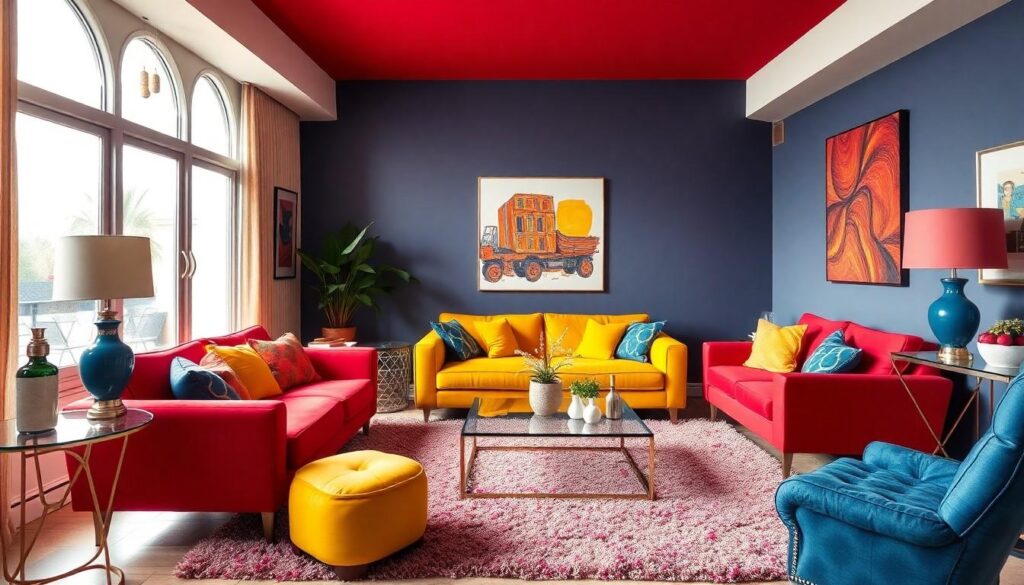
The 2000s marked a distinctive era in interior design, characterized by bold choices and personal expression. Homeowners embraced unique styles that often fused various influences.
Color Palettes
Bright colors dominated the palettes of the 2000s. Shades like vibrant reds, sunny yellows, and deep blues made spaces feel lively and inviting. Earth tones also found their place, creating warmth and comfort. Combinations of contrasting colors reflected individuality, allowing each room to tell a story. These palettes often included unexpected pairings, where modern hues met vintage accents, stimulating creativity and conversation.
Materials and Textures
Diverse materials and textures played key roles in defining 2000s interiors. Glossy finishes on furniture created a sleek appearance, while plush fabrics such as velvet added richness and comfort. Bamboo, recycled materials, and other eco-friendly options gained traction as sustainability became a priority. Shag carpets and sequined textiles added a playful touch, enhancing the tactile experience in homes. Mixes of glass, wood, and metal incorporated a sense of eclecticism, maintaining interest in every room.
Influential Trends in 2000s Interior Design
The 2000s witnessed key trends that defined interior spaces. Notable movements included minimalism, eclectic styles, and the rise of personalized décor.
Minimalism and Sleek Lines
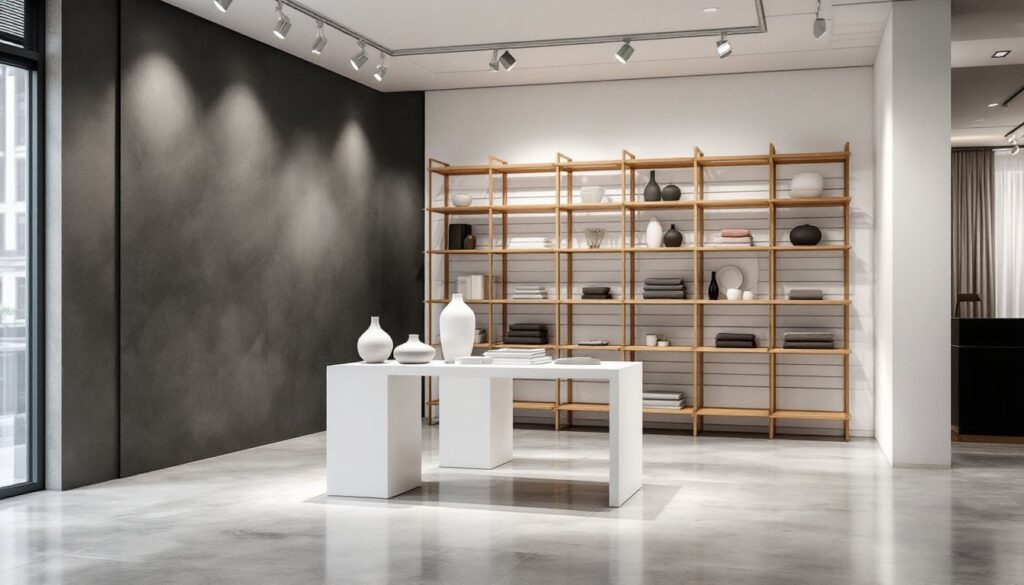
Minimalism gained traction among homeowners seeking simplicity. Clean lines and uncluttered spaces characterized many designs. Furniture pieces often featured streamlined shapes and neutral palettes, creating a serene atmosphere. Popular materials included glass, metal, and natural wood. This trend aimed to create functionality while emphasizing aesthetic appeal. Open floor plans emerged, encouraging a flow that enhanced living areas. Essential elements were prioritized while decorative clutter was minimized.
Eclectic and Personalized Spaces
Eclecticism thrived during this era as individuals embraced personal expression. Homeowners collected vintage and contemporary items, curating unique environments. Colorful patterns and textures combined to create lively spaces. Decorative elements like bold prints, mismatched furnishings, and artistic accessories showcased individuality. DIY projects flourished, enabling people to incorporate personal touches. These creative endeavors often transformed thrift store finds into stunning focal points. Each home became a reflection of its owner’s personality, breaking conventional design norms. Diverse influences led to inviting, vibrant atmospheres that sparked conversations.
Iconic Elements of 2000s Interior Design
The 2000s embraced unique design elements that reflected vibrant culture and personal expression. Boisterous colors, oversized designs, and playful forms played vital roles in this era’s interior aesthetics.
Furniture Styles
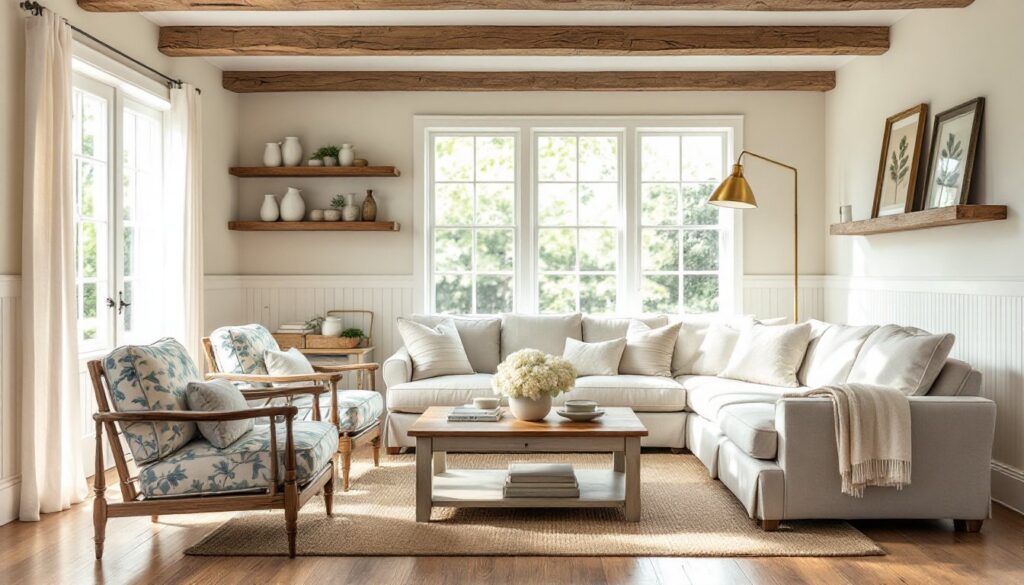
Sleek furniture characterized many homes, showcasing modern lines and soft curves. Oversized sofas dominated living rooms, prioritizing both comfort and style. Modular pieces allowed for flexible arrangements, especially in open floor plans. Brightly colored accent chairs added a fun touch to neutral palettes. Vintage finds frequently mingled with contemporary designs, encouraging a curated atmosphere. Furniture often featured mixed materials, like wood with metal or glass, creating striking contrasts. This combination of styles reflected individual creativity, amplifying the eclectic essence of the 2000s.
Decorative Accessories
Accessories transformed spaces by adding distinct character. Shag rugs became popular, inviting warmth and a sense of playfulness to rooms. Beaded curtains frequently separated areas, contributing a bohemian vibe. Wall art often featured bold graphics and personal photos, showcasing individuality. Decorative pillows in vibrant patterns enlivened sofas and beds, enhancing comfort. Metallic accents were common, bringing a touch of glamour to various spaces. Collectible items like vintage toys or handmade crafts made playful statements, inviting conversation and nostalgia.
The interior design of the 2000s left a lasting impact on how spaces are curated today. Its bold colors and eclectic styles continue to inspire modern aesthetics. The blend of minimalism and DIY creativity allowed for personal expression that resonates with many homeowners.
As sustainability becomes increasingly important, the eco-friendly practices from this era are making a comeback. The playful elements and unique combinations of textures and materials remind us that individuality in design is timeless.
Reflecting on this vibrant decade, it’s clear that the spirit of 2000s interior design still sparks creativity and joy in today’s homes. The trends may evolve but the essence of self-expression remains at the heart of interior design.