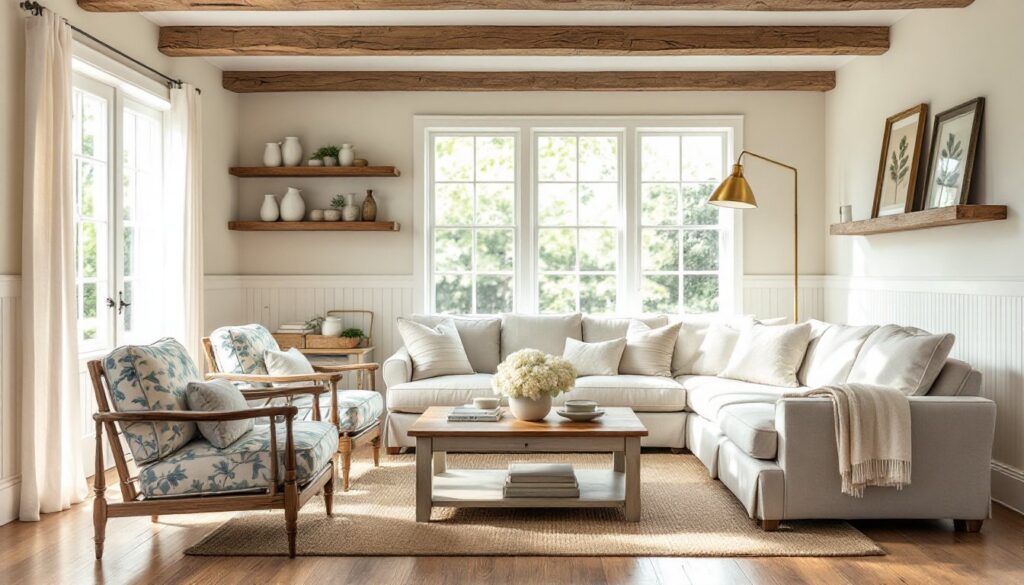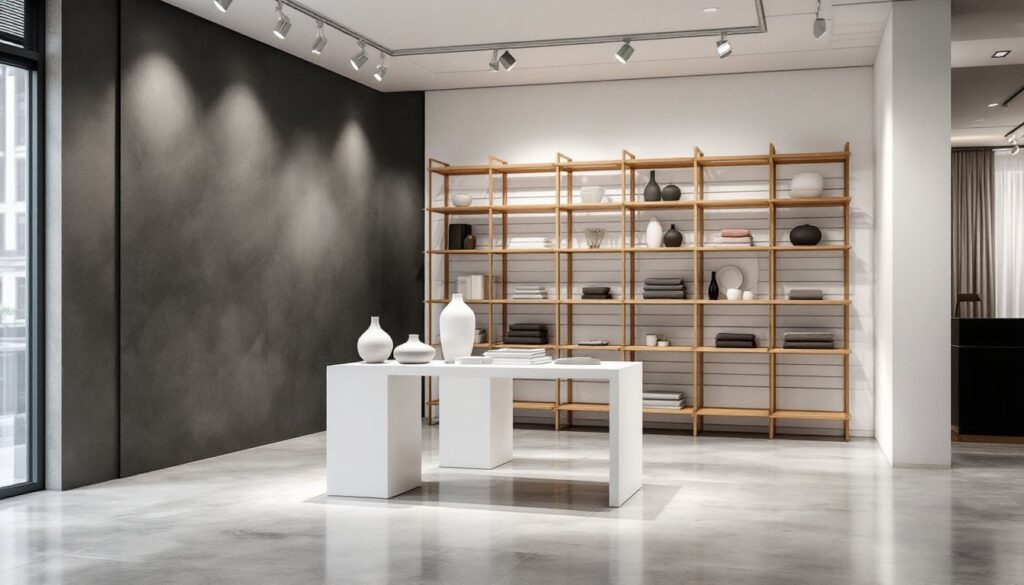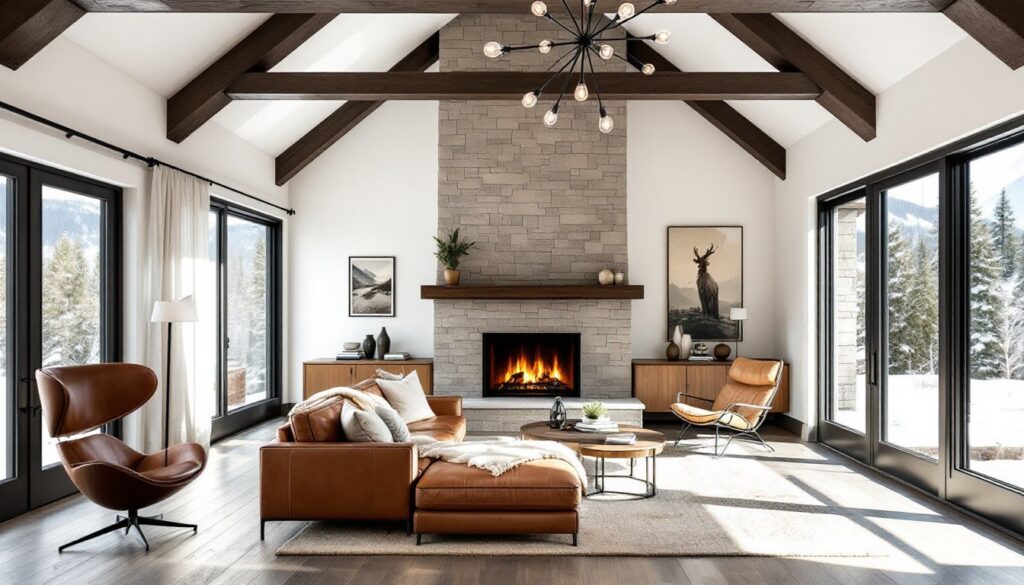

Multifamily properties, apartments, condos, student housing, senior living communities, face unique design challenges that single-family homes don’t. They need interiors that balance durability with appeal, satisfy diverse resident demographics, and maximize ROI for property owners. That’s where specialized multifamily interior design firms come in. These aren’t your typical residential designers: they understand building codes for commercial occupancy, ADA compliance, high-traffic material specs, and the business metrics that make or break a property’s marketability. Whether you’re a property developer launching a new build, a management company repositioning an older complex, or an investor evaluating renovation partners, choosing the right firm can mean the difference between units that sit vacant and spaces that lease within days.
Table of Contents
ToggleKey Takeaways
- Multifamily interior design firms specialize in high-traffic, code-compliant spaces that balance durability with appeal, directly impacting lease velocity and property ROI unlike general residential designers.
- Specialized multifamily interior design expertise ensures compliance with commercial building codes, ADA accessibility, fire safety ratings, and sound transmission standards that exceed residential requirements.
- Strategic material selection—like commercial-grade LVP and quartz countertops—extends lifecycle costs and maintains aesthetic appeal through tenant turnover cycles.
- Design choices significantly affect occupancy rates and rental prices, with firms using demographic research to determine which amenities resonate with target residents.
- Current multifamily design trends include flexible workspaces, biophilic elements, smart home integration, warm minimalism, sustainable materials, and inclusive design that appeal to diverse resident demographics.
What Are Multifamily Interior Design Firms?
Multifamily interior design firms specialize in creating functional, attractive spaces for residential buildings with multiple dwelling units. Unlike residential interior designers who focus on single-family homes, these firms tackle common areas, model units, amenity spaces, and repetitive floor plans across dozens or hundreds of units.
Their work spans new construction (from schematic design through installation), renovations (updating lobbies, fitness centers, clubhouses, or entire unit interiors), and repositioning (rebranding older properties to compete with new developments). They collaborate with architects, general contractors, property managers, and developers, often working under tight timelines and strict budgets.
These firms understand the operational realities of multifamily housing: finishes need to withstand tenant turnover and frequent cleaning, fixtures must meet local building codes for multi-unit occupancy (often stricter than single-family standards), and design choices directly affect lease rates and occupancy metrics. They also navigate ADA requirements for accessibility in common areas and a percentage of units, fire safety codes (such as flame-spread ratings for wall coverings), and sound transmission considerations between units (IIC and STC ratings for flooring and walls).
In short, they’re problem-solvers who blend aesthetics with the practical demands of property management and tenant retention.
Why Hiring a Specialized Firm Matters for Multifamily Properties
A talented residential designer might create a stunning single-family living room, but multifamily design is a different game. Specialized firms bring expertise that directly impacts your bottom line.
Durability and lifecycle costing: They spec materials that survive high-traffic environments, luxury vinyl plank (LVP) with commercial wear layers instead of laminate, quartz countertops instead of marble, scrubbable paint rated for 5,000+ scrub cycles. They know which finishes hold up to move-ins, move-outs, and daily wear without looking tired in two years.
Code compliance and permitting: Multifamily projects often require commercial-grade compliance, fire-rated doors, egress lighting, grab bars in accessible units, and ventilation standards that exceed residential norms. A specialized firm has existing relationships with code officials and understands regional variations (California Title 24 energy requirements differ vastly from Florida’s standards, for example).
Tenant appeal and lease velocity: Design directly affects how quickly units rent and at what price. Firms experienced in multifamily interior design know which amenities resonate with specific demographics, co-working lounges and pet spas for millennials, universal design features for aging-in-place communities, smart home integrations for tech-forward renters.
Budget predictability: They maintain vendor relationships that yield better pricing on bulk orders (fifty identical vanities cost less per unit than five custom ones), and they understand phased rollouts, updating 20% of units annually to minimize disruption and spread capital expenditures.
Skipping specialized expertise often leads to costly do-overs: non-compliant installations that fail inspection, finishes that wear out prematurely, or design choices that don’t resonate with target renters.
Key Services Offered by Multifamily Interior Design Firms
Most multifamily interior design firms offer a comprehensive suite of services tailored to the property lifecycle:
Space planning and unit layouts: They optimize floor plans for maximum efficiency and appeal, ensuring kitchens, baths, and living areas feel spacious even in compact footprints. This includes furniture layouts for model units and common areas.
Finish and material selection: From flooring (LVP, polished concrete, carpet tile with high-density backing) to cabinetry (thermofoil, wood veneer, or solid wood depending on budget), countertops (quartz, solid surface, laminate), paint palettes, and lighting packages, they curate selections that balance aesthetics, durability, and cost.
Amenity design: Lobbies, fitness centers, co-working spaces, rooftop decks, pool areas, dog parks, and clubhouses all need thoughtful design. Platforms like Houzz showcase thousands of amenity ideas, but a specialized firm tailors these to your property’s brand and resident demographics.
Branding and identity: They develop cohesive visual identities, color schemes, signage, wayfinding, and thematic elements, that differentiate your property from competitors. This extends to digital renderings used in pre-leasing marketing.
FF&E procurement and installation: Furniture, fixtures, and equipment (FF&E) sourcing, purchasing, delivery coordination, and installation management. They handle everything from lobby sofas to fitness equipment to artwork, often with established trade discounts.
Renovation and repositioning: Breathing new life into dated properties through strategic updates, refacing cabinets instead of replacing them, adding backsplashes and modern lighting, refreshing paint and hardware. These “value-add” renovations target maximum visual impact per dollar spent.
Sustainable and wellness-focused design: LEED certification support, low-VOC materials, biophilic design elements (natural light, indoor plants, natural materials), and healthy building strategies that appeal to environmentally conscious renters.
How to Choose the Right Multifamily Interior Design Firm
Selecting a design partner is as critical as choosing your general contractor. Here’s how to vet candidates and ensure the right fit.
Portfolio and Industry Experience
Start by reviewing portfolios with a critical eye. Look for projects similar in scale (a firm that’s designed luxury high-rises might struggle with garden-style walk-ups, and vice versa), property type (student housing design differs from senior living or workforce housing), and budget tier (mid-market vs. luxury finishes require different sourcing strategies).
Ask for case studies that include before-and-after metrics: Did occupancy rates improve? Did average rents increase? How long did units sit vacant post-renovation? A firm that tracks outcomes demonstrates accountability.
Request references from property managers and owners, not just photos. Questions to ask references:
- Did the firm stay within budget and timeline?
- How did they handle unexpected issues (supply chain delays, code revisions)?
- Are the finishes holding up after 12-24 months of occupancy?
- Would you hire them again?
Check if they have experience with your local jurisdiction’s codes and permitting processes. A firm that’s designed fifty projects in Texas might face a learning curve in a strict East Coast municipality.
Many property owners find inspiration on sites like Apartment Therapy for trending styles, but a qualified firm should adapt trends to your market’s preferences and your property’s positioning.
Budget and Project Timeline Considerations
Transparency around pricing is non-negotiable. Multifamily design fees typically follow one of three models:
Fixed fee: A set price for defined scope (best for well-defined projects like unit refreshes).
Cost-plus: Design fee plus a markup on FF&E and materials (common for full-service procurement).
Hourly or retainer: For ongoing consulting or phased projects.
Get detailed proposals that break out design fees, procurement costs, project management, and any third-party expenses (renderings, code consultants, specialty lighting design). Hidden costs kill budgets.
Discuss value engineering upfront. A good firm can present multiple finish packages, luxury, mid-tier, and budget, so you can make informed trade-offs. For example, splurging on quartz counters but choosing builder-grade faucets, or vice versa.
Timeline realism matters. Ask how they handle long-lead items (custom millwork, tile, some light fixtures can have 12-16 week lead times in 2026’s market). Firms with strong vendor relationships often get priority production slots.
Understand their project management approach. Who’s your day-to-day contact? How often are progress meetings? What software do they use for tracking selections and orders (many use studio management platforms or shared project portals)?
Finally, confirm insurance and licensing. Multifamily projects often require professional liability insurance and proper business licensing. If structural changes are involved (removing non-load-bearing walls, relocating plumbing), ensure they collaborate with licensed architects or engineers. Don’t assume design firms are licensed to stamp structural drawings, that’s typically outside their scope and requires a PE or licensed architect.
Sites like Homify offer global design portfolios, but local expertise and vendor networks usually trump international firms for U.S.-based multifamily projects.
Top Trends in Multifamily Interior Design for 2026
Design trends shift rapidly, but several movements are defining multifamily interiors in 2026.
Flexible, multi-use spaces: Post-pandemic work-from-home expectations haven’t disappeared. Units with dedicated office nooks, Murphy beds, or convertible rooms appeal to remote workers. Common areas increasingly include co-working lounges with high-speed internet, private phone booths, and collaboration tables.
Biophilic design: Natural materials (wood-look LVP, stone-look quartz, rattan accents), abundant natural light, and indoor greenery (living walls, planters) create calming, health-focused environments. Properties that incorporate outdoor connections (balconies, patios, rooftop gardens) command premium rents.
Smart home integration: Keyless entry, smart thermostats, app-controlled lighting, and package lockers aren’t luxuries anymore, they’re baseline expectations for Class A and many Class B properties. Design firms are integrating tech infrastructure (conduit for future upgrades, dedicated circuit panels) during construction or renovation.
Warm minimalism: The stark white-and-gray palette is softening. Expect warm neutrals (beiges, taupes, soft grays), natural wood tones, and textured finishes (matte black fixtures, brushed brass hardware, textured tile). The look is clean but inviting, not sterile.
Sustainable materials: Recycled content tile, low-VOC paints, FSC-certified wood, and locally sourced materials appeal to eco-conscious renters and support LEED or WELL Building Standard certifications. Some properties are highlighting sustainable choices in marketing materials.
Maximalist amenities: Competing for renters means offering more than a tired gym and a pool. Expect golf simulators, podcast recording studios, maker spaces, outdoor kitchens, bocce courts, and dog agility parks. Amenities should align with your target demographic, don’t build a playground in a property targeting young professionals.
Inclusive design: Universal design principles (lever handles instead of knobs, curbless showers, wider doorways, adjustable-height features) aren’t just for accessible units. They appeal to aging-in-place boomers, families with young children, and anyone who values ease of use.
Keep in mind that trends are regional. A design that works in Austin might flop in Boston. A skilled firm will adapt national trends to local tastes and your specific market positioning.