Interior design isn’t just about picking pretty pillows and arranging furniture like a game of Tetris. It’s an art form that transforms spaces into reflections of personality and style. Whether you’re living in a cozy studio or a sprawling mansion, understanding the basics of interior design can turn even the most mundane room into a masterpiece.
What Is Interior Design 101?
Interior design 101 encompasses the essential principles and practices that shape the way spaces are created and utilized. It involves understanding aspects like color theory, spatial arrangement, and material selection. Professionals in the field use these elements to enhance both aesthetics and functionality in various environments.
Key elements in interior design include space planning, which focuses on the layout of furnishings and the flow of movement. Color selection plays a crucial role in setting the mood of a room, influencing emotions and perceptions. Texture, another significant factor, adds depth and visual interest, impacting how spaces feel.
Furnishings represent a vital component of interior design. Their styles, sizes, and arrangements greatly affect overall space perception. Lighting, too, influences ambiance and can highlight important features or create comfort.
Sustainability has gained importance within the interior design realm. Utilizing eco-friendly materials and energy-efficient solutions contributes positively to health and wellness while minimizing environmental impact.
Interior design skills also extend beyond mere decoration. Professionals consider the client’s needs and preferences, aiming to reflect individual style. Whether working on residential or commercial projects, the goal remains to create harmonious environments that serve specific purposes and enhance quality of life.
Incorporating functionality with beauty signifies what interior design 101 covers. Learning these foundational concepts equips individuals with the knowledge needed to create striking, personalized spaces.
Key Principles of Interior Design
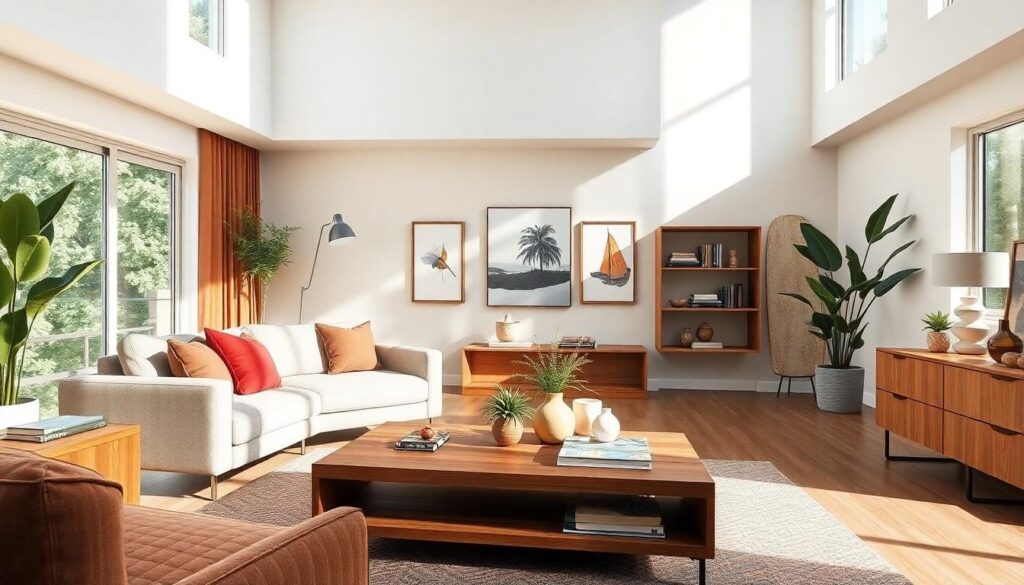
Understanding key principles enhances the design process. Professionals utilize these foundations to create balanced and functional spaces.
Space Planning
Space planning involves strategic arrangement of furniture and pathways. Effective layouts facilitate movement while maximizing available areas. Consider traffic flow when placing items, as it influences accessibility. Prioritizing function allows for a more practical design, whether in a cozy studio or a sprawling home. Designers often measure areas to ensure optimal use of space, promoting both comfort and utility.
Color Theory
Color theory influences mood and perception in interior design. Warm hues like reds and oranges create energy, while cool tones such as blues and greens promote calm. Choosing colors carefully impacts a room’s aesthetic and emotional resonance. Professionals often combine shades to establish a cohesive palette that aligns with a client’s vision. Natural light alters color appearances, making it crucial to test shades in different conditions before settling on final selections.
Balance and Harmony
Balance and harmony create visual stability within a space. Asymmetrical balance offers dynamic interest, while symmetrical arrangements evoke tranquility. Incorporating varied textures and shapes generates depth and invites exploration. Ensuring harmony between elements fosters a cohesive atmosphere. Designers achieve this through repetition and contrast, guiding the eye throughout the room for a unified experience.
Common Interior Design Styles
Interior design encompasses various styles, each with unique characteristics that can define a space. Understanding these styles allows individuals to express their preferences effectively.
Modern
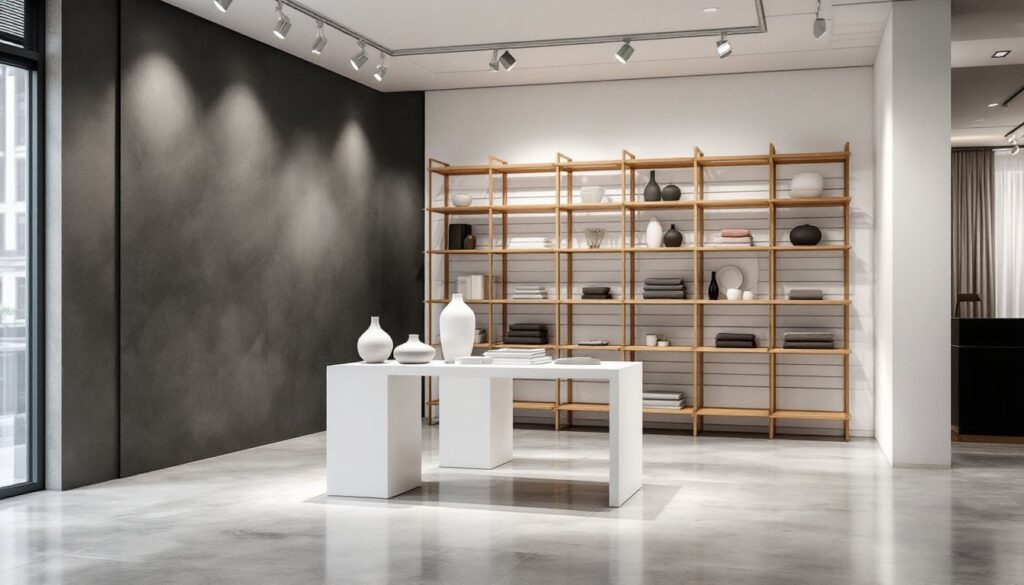
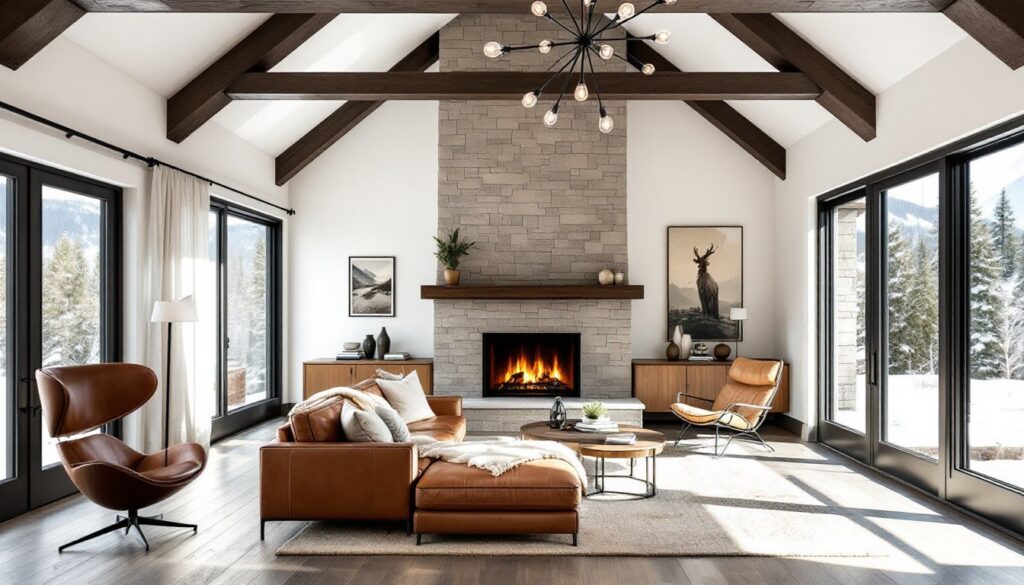
Modern design prioritizes simplicity and functionality. Clean lines, open spaces, and a neutral color palette are hallmarks of this style. Furnishings often feature geometric shapes and minimal ornamentation, focusing on form. Natural materials, like wood and metal, frequently complement the aesthetic. Additionally, large windows allow ample natural light, creating an airy environment. Whether through furniture selection or décor choices, modern design emphasizes a cohesive, uncluttered look.
Traditional
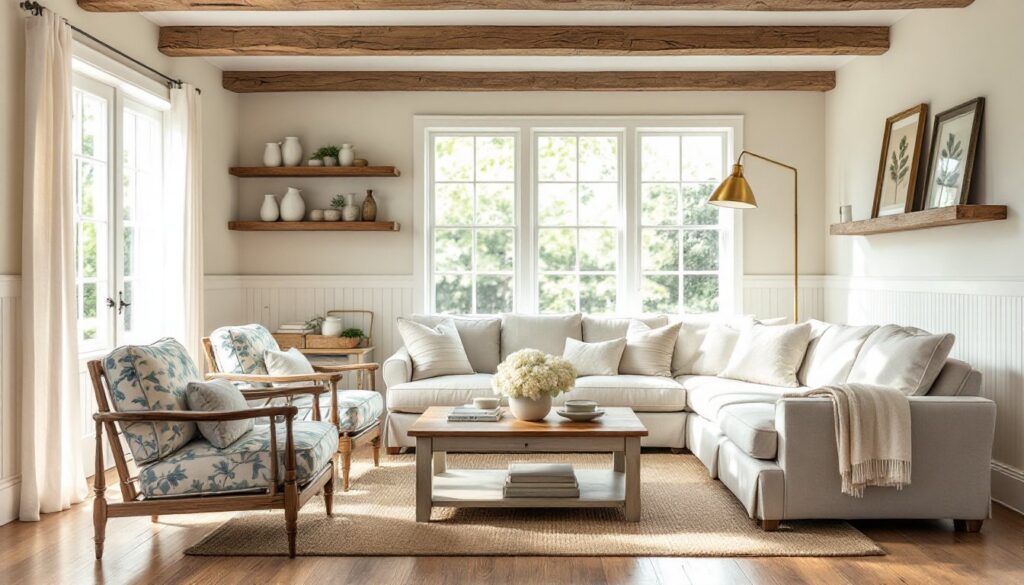
Traditional design draws inspiration from historical styles, showcasing elegance and comfort. Rich colors and ornate details define this approach, making spaces feel inviting and warm. Classic elements, such as antique furniture and intricate moldings, contribute to the overall character. Fabric choices often include heavy drapes, floral patterns, and plush upholstery. Symmetry plays a key role, allowing for balanced arrangements that evoke sophistication. This style appeals to those who appreciate timeless beauty and rich heritage in their living spaces.
Bohemian
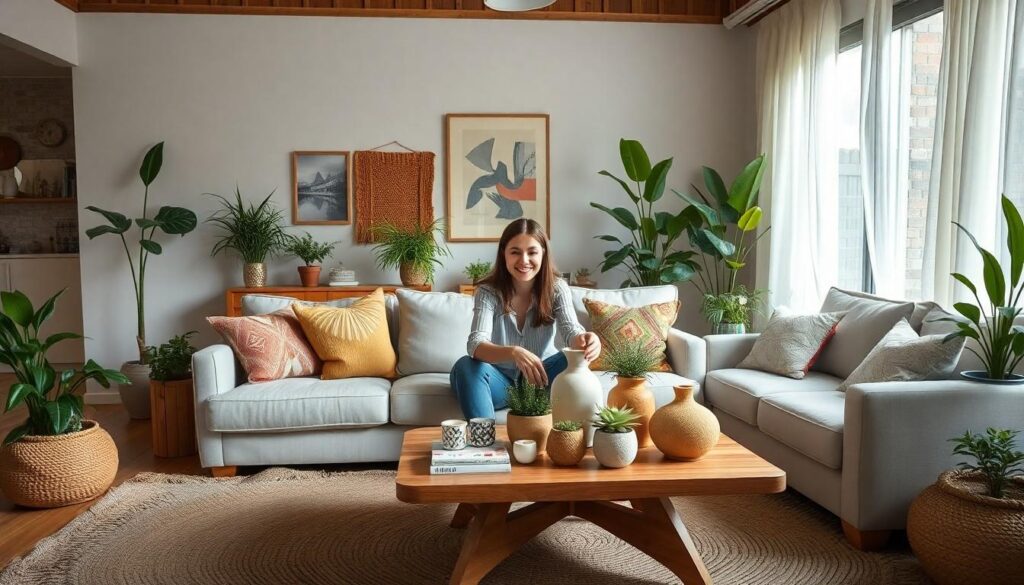
Bohemian design celebrates individuality and creativity through a mix of colors, patterns, and textures. Eclectic furnishings and unique artwork define this laid-back style, reflecting personal experiences and travels. Layered textiles, vibrant wall art, and a variety of decor create a sense of warmth and comfort. Plants often inhabit these spaces, adding a touch of nature and life. People who gravitate towards this style enjoy expressing their personality while embracing a carefree and artistic ambiance.
Practical Tips for Beginners
Starting an interior design project involves understanding key components that impact the overall outcome. Beginners can create inviting and functional spaces with thoughtful planning.
Choosing the Right Furniture
Selecting furniture represents a critical step in the design process. Assessing the room’s size is essential for ensuring pieces fit comfortably without overcrowding. Emphasizing functionality often leads to selecting multipurpose items, like sofas that convert into beds or ottomans offering storage. Considering style preferences helps align the furniture with the overall theme, whether modern or traditional. Personally tested quality can ensure durability, so investing in well-made items often pays off in the long run. Lastly, creating a balance in scale between large and small furniture pieces enhances visual harmony in a room.
Importance of Lighting
Lighting transforms spaces by significantly influencing ambiance. Different types of lighting, such as ambient, task, and accent, serve varied purposes in enhancing functionality. Incorporating a mix of natural and artificial light creates warmth while showcasing design elements. Selecting light fixtures that align with the interior style offers both aesthetic appeal and practicality. Layering light sources often leads to a well-lit environment, allowing individuals to tailor brightness based on activities. Lastly, strategically positioning mirrors can maximize light flow and make spaces appear larger.
Mastering the basics of interior design empowers individuals to create spaces that resonate with their unique style and needs. By understanding key principles like color theory and space planning, anyone can transform a room into a harmonious environment.
Exploring different design styles opens up a world of possibilities, allowing personal expression through decor choices. With practical tips for beginners, it’s easier than ever to embark on a design journey, whether tackling a small apartment or a spacious home.
Ultimately, interior design is about blending beauty with functionality, enhancing both aesthetic appeal and quality of life. Embracing these concepts will lead to inviting spaces that truly feel like home.