
Designing a small lake house means working with limited square footage while capturing the relaxed, outdoor-connected vibe that makes waterfront living special. The challenge isn’t just decorating, it’s making every inch count without sacrificing comfort or character. Smart layout choices, strategic furniture, and the right materials can transform a compact cabin into a functional retreat that feels twice its size. This guide covers practical design strategies that balance space efficiency with lakeside charm, from color selection and lighting to furniture choices and finishing touches that anchor the space to its natural setting.
Table of Contents
ToggleKey Takeaways
- Light colors and minimal window treatments maximize natural light and create the illusion of spaciousness in small lake house interior design.
- Multi-functional furniture like storage ottomans, sofa beds, and drop-leaf tables maximize limited square footage without sacrificing comfort or character.
- Open-concept layouts that combine kitchen, dining, and living areas eliminate wasted hallway space and make compact lake houses feel significantly larger.
- Natural materials such as light-stained wood, stone accents, and breathable textiles connect interior spaces to the lakeside environment while aging better in humid conditions.
- Strategic mirrors placed opposite windows and low-profile furniture positioned to preserve water views enhance both brightness and the sense of connection to the outdoor setting.
- Subtle nautical and rustic accents in small doses—such as rope-wrapped mirrors or reclaimed wood—add lakeside charm without tipping into kitschy decor.
Embrace a Light and Airy Color Palette
Light colors visually expand small interiors by reflecting natural light and reducing visual weight. White, soft gray, pale blue, and warm beige are proven choices for walls and ceilings in compact lake houses.
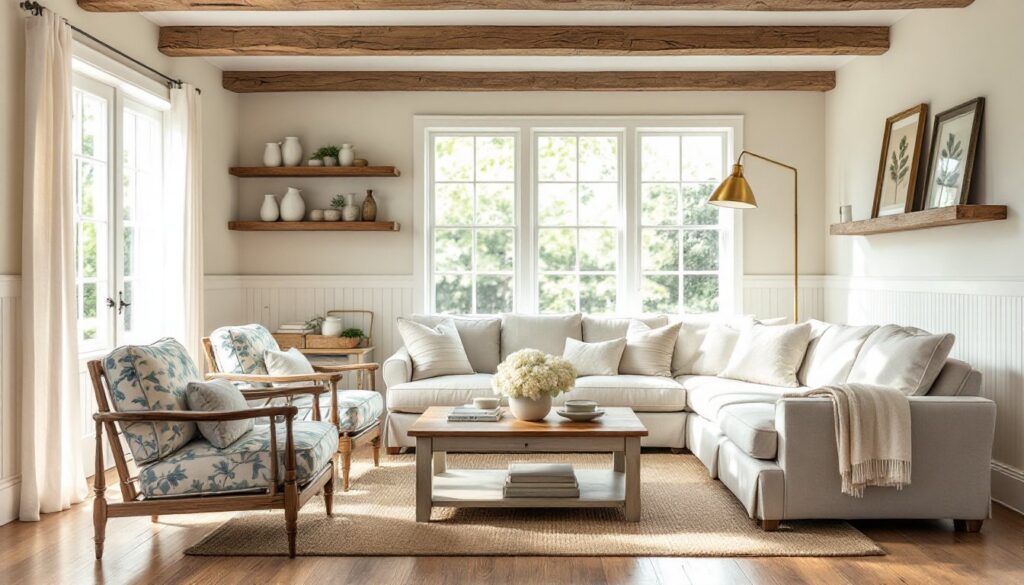
White shiplap or beadboard paneling adds texture without overwhelming narrow rooms. These materials reference classic cottage architecture while maintaining the brightness needed in smaller footprints. For ceilings under eight feet, white or off-white paint prevents the space from feeling compressed.
Accent walls in muted tones, sage green, driftwood gray, or navy, add depth without fragmenting the space. Limit bold color to one wall per room, typically the wall opposite the main window or entry. This draws the eye without creating visual clutter.
Gloss level matters in tight quarters. Eggshell or satin finishes on walls reflect more light than flat paint while hiding minor surface imperfections better than semi-gloss. Reserve high-gloss for trim and doors to define architectural details.
Natural wood tones work well as accents, exposed beams, reclaimed wood shelving, or pine flooring, but stain or seal them in lighter tones (honey, natural, or pickled finishes) rather than dark walnut or espresso. Dark wood absorbs light and visually shrinks rooms.
Keep cabinetry light as well. White or light gray kitchen and bathroom cabinets maintain continuity and prevent upper cabinets from looming over small work areas. If using wood cabinets, maple or birch in natural finishes stay brighter than oak or cherry.
Maximize Natural Light and Views
Windows are premium real estate in a lake house. Don’t block them with heavy drapes or oversized furniture.
Window treatments should be minimal. Cellular shades, sheer linen panels, or simple roller blinds provide privacy when needed without eating into wall space or blocking light when open. Mount curtain rods close to the ceiling and extend them beyond the window frame by 4-6 inches on each side, this makes windows appear larger and allows panels to stack off the glass completely when drawn.
Position furniture to preserve sightlines to the water. Avoid placing tall bookcases, cabinets, or high-backed sofas directly in front of windows. Low-profile furniture, armless chairs, benches, or sofas under 32 inches tall, maintains views while seated.
Mirrors strategically placed opposite windows bounce light deeper into the room and create the illusion of additional square footage. A large mirror (at least 30 x 40 inches) on the wall perpendicular to your primary window source doubles the perceived brightness. Avoid placing mirrors where they’ll create glare on screens or work surfaces.
Consider removing non-structural interior walls or replacing solid doors with French doors or frosted glass panels to borrow light between rooms. This is cosmetic work in most cases, but confirm with a structural engineer before removing any wall, load-bearing modifications require permits and engineered headers.
Skylight installation is more involved but transforms dark interior spaces like bathrooms, hallways, or lofts. Fixed or vented skylights require roof penetration and flashing, so hire a licensed roofer unless you’re experienced with roofing systems. Tubular skylights (like Solatube) are a DIY-friendly alternative for smaller spaces and don’t require framing modifications.
Choose Multi-Functional Furniture for Small Spaces
Every piece of furniture in a small lake house should earn its footprint. Single-purpose items are luxuries small spaces can’t afford.
Storage ottomans serve as coffee tables, extra seating, and hidden storage for blankets, games, or life jackets. Look for models with firm tops that can support a tray, soft, tufted ottomans don’t hold drinks or books securely.
Sofa beds or futons convert living areas into guest rooms. Modern mechanisms are far more comfortable than old-school bar-in-the-back designs. Test the mattress thickness (at least 4-5 inches of foam or innerspring) and the ease of conversion, if it requires moving furniture or wrestling with the frame, guests won’t use it.
Drop-leaf or extendable dining tables adapt to daily use and occasional entertaining. A table that seats four normally but expands to six or eight prevents a large dining set from dominating the main living area. Wall-mounted fold-down tables work in kitchens or breakfast nooks where floor space is tight.
Built-in seating with storage underneath, window benches, banquettes, or platform beds with drawers, maximizes vertical space. These are moderate-skill DIY projects if you’re comfortable with basic framing and finish carpentry. Use ¾-inch plywood for the base structure and face it with 1×4 or 1×6 pine for a cleaner look. Drawer slides rated for 75-100 lbs (like side-mount or undermount soft-close slides) prevent sagging over time.
Many interior design guides emphasize adaptable layouts, and the principles apply equally to small vacation rentals where flexibility is critical. Nesting tables, stackable stools, and folding chairs stored in closets or under beds provide seating when needed without cluttering daily life.
Incorporate Natural Materials and Textures
Natural materials connect interior spaces to the lakeside environment and add warmth without visual clutter. They also age better than synthetic finishes in humid, high-traffic settings.
Wood flooring, white oak, pine, or engineered hardwood, handles moisture better than carpet and feels warmer underfoot than tile. Use ¾-inch solid hardwood in main living areas if the subfloor is stable and level. Engineered flooring (½ to ⅝ inch thick) works better over concrete slabs or radiant heat systems. Apply a water-based polyurethane in satin finish for durability and easier touch-ups.
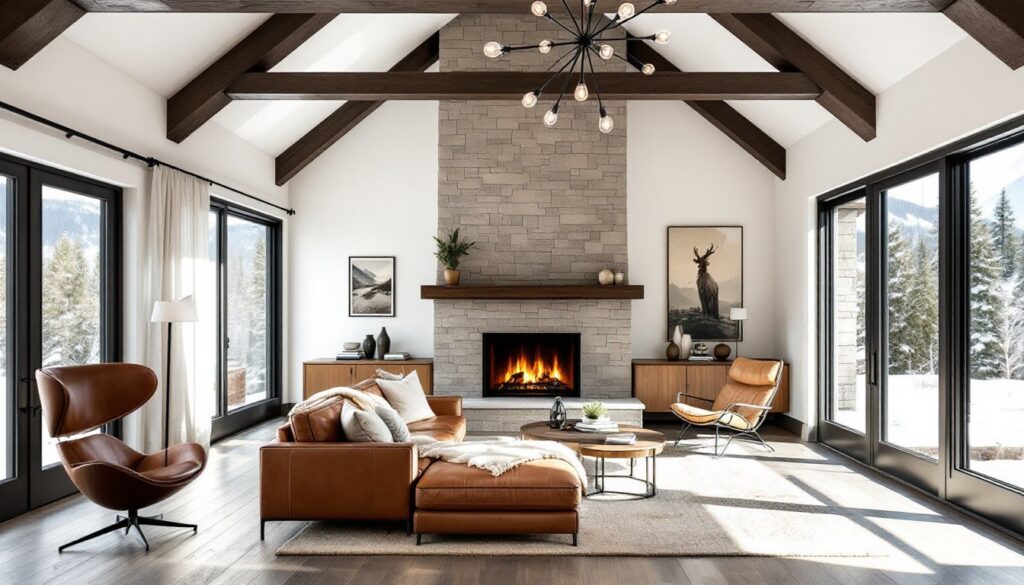
Exposed wood beams, either structural or decorative, add vertical interest and cottage character. Faux beams made from polyurethane foam or hollow wood boxes are lightweight and install with construction adhesive and screws into ceiling joists. Real reclaimed beams require blocking and longer structural screws (usually 3-4 inches) into solid framing.
Stone or tile accents, slate, river rock, or ceramic tile, work well in wet areas like entryways, bathrooms, or around fireplaces. Natural stone requires sealing (annually for high-traffic areas) to prevent staining. Porcelain tile that mimics stone offers similar aesthetics with less maintenance.
Textiles in linen, cotton, jute, or wool layer texture without adding pattern chaos. A jute rug anchors seating areas, linen throw pillows soften seating, and cotton or linen curtains filter light. Avoid synthetic microfiber or polyester in lake houses, they trap odors and don’t breathe well in humid environments.
Rattan, wicker, or cane furniture adds lakeside character and weighs less than upholstered pieces, making rearranging easier. Modern designs from sources like Homedit show how these materials fit contemporary interiors, not just traditional cottage styles. If using vintage wicker, check for loose wrapping and reinforce joints with wood glue or small brads.
Create Open-Concept Living Areas
Open floor plans make small lake houses feel significantly larger by eliminating hallways and redundant circulation space. Combining kitchen, dining, and living areas into one multifunctional zone is standard in modern lake house design.
Removing walls is straightforward when they’re non-load-bearing partitions, typically 2×4 stud walls with drywall on both sides. Check for electrical, plumbing, or HVAC runs before cutting. Load-bearing walls require engineered beams (LVL or steel) sized to span the opening and transfer roof or floor loads to adjacent supports. This work requires a building permit in most jurisdictions and should involve a structural engineer and licensed contractor.
If full wall removal isn’t feasible, partial walls or pony walls (36-42 inches tall) define spaces without blocking light or views. Top them with a flat cap or live-edge wood plank to create a bar-height surface or display shelf.
Kitchen islands with seating on one side serve as prep space, dining area, and visual divider between cooking and living zones. Size matters, an island needs at least 36-42 inches of clearance on all sides for comfortable movement. In tight layouts, a rolling cart or narrow peninsula (24-30 inches deep) provides similar function without permanently consuming floor space.
Define zones within open areas using rugs, lighting, or furniture arrangement rather than walls. A large area rug under the seating group separates it from the dining table or kitchen. Pendant lights over the island or dining table create visual boundaries. Furniture arranged perpendicular to walls (rather than pushed against them) suggests separation without blocking flow.
Similar light-filled layouts emphasize openness and natural light, strategies that translate directly to compact lake houses. Coastal homes also rely on open, airy design to maintain connection between indoor and outdoor spaces.
Add Lakeside Charm with Nautical and Rustic Accents
Themed decor can quickly tip into kitschy territory. The goal is subtle reference, not a marine supply catalog.
Nautical accents work best in small doses, a rope-wrapped mirror frame, navy-and-white striped throw pillows, or vintage oar mounted on the wall. Avoid novelty items like plastic anchors, fish netting, or shell-covered everything. If it looks like it came from a beachside tourist shop, skip it.
Rustic elements, reclaimed wood, metal lanterns, vintage signage, or galvanized buckets repurposed as planters, add character without overpowering the space. Reclaimed wood accent walls (shiplap, barn board, or pallet wood) install similarly to standard paneling. Use a pneumatic brad nailer with 1½ to 2-inch nails into wall studs for solid attachment. Sand and seal the wood with matte polyurethane or tung oil to prevent splinters and moisture damage.
Keep metal finishes consistent, either oil-rubbed bronze, matte black, or brushed nickel, across light fixtures, cabinet hardware, and plumbing fixtures. Mixing finishes in small spaces looks unintentional and cluttered.
Incorporate lake-specific elements: framed vintage maps of the lake or region, black-and-white family photos from past summers, or a mounted fish (if that’s your thing, consider a quality replica rather than taxidermy). Designers featured on Apartment Therapy often showcase how personal, place-based decor anchors a home’s identity more effectively than generic coastal themes.
Plants bring life and color without permanent commitment. Pothos, snake plants, or succulents tolerate irregular watering and lower light, ideal for vacation properties. Use simple ceramic or terra-cotta pots rather than themed containers.
Lighting sets mood and functionality. Edison bulb fixtures, black metal pendants, or wood-and-metal chandeliers suit rustic lake house style. Install dimmer switches (standard single-pole dimmers run $15-25 and swap in 15 minutes) to adjust lighting for morning coffee versus evening entertaining. For design inspiration that balances modern and timeless styles, classic-contemporary interiors demonstrate how mixing eras prevents dated looks.
Conclusion
Designing a small lake house isn’t about compromising, it’s about prioritizing. Light colors, open layouts, smart furniture, and natural materials create functional, comfortable spaces that feel connected to the water outside. Focus on the details that matter: good light, clean sightlines, and finishes that age well. The result is a retreat that works hard during the day and feels effortless by evening.