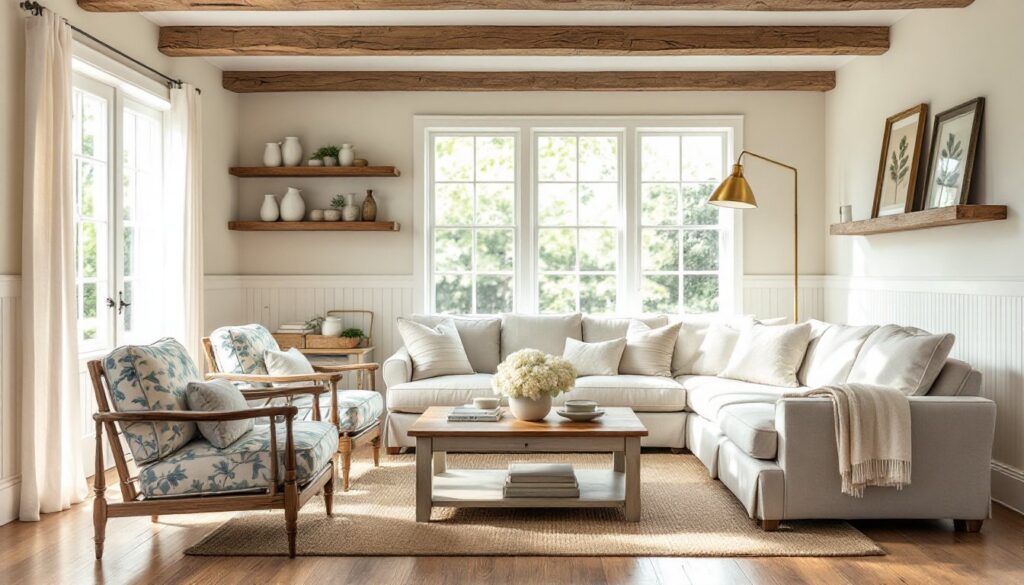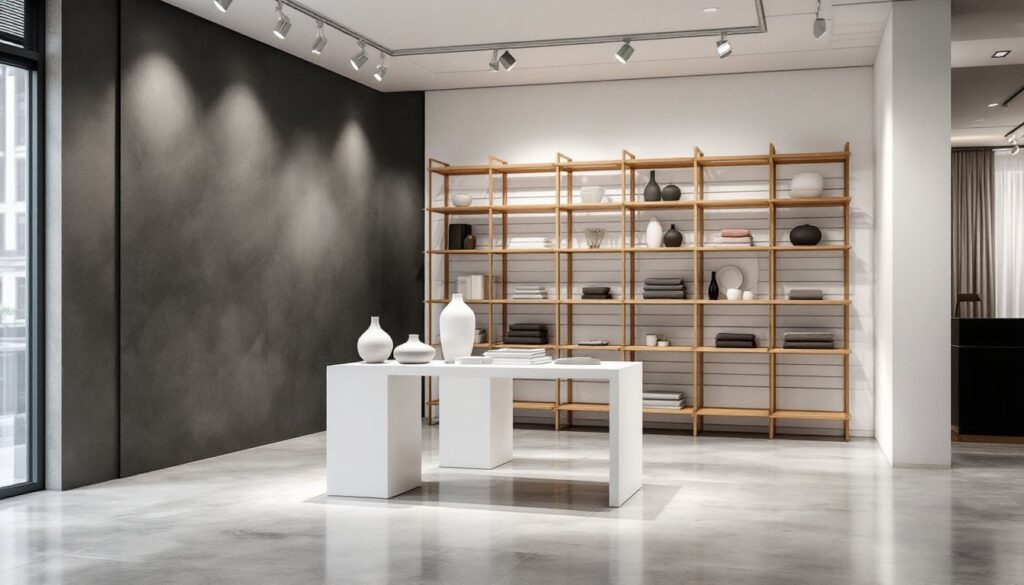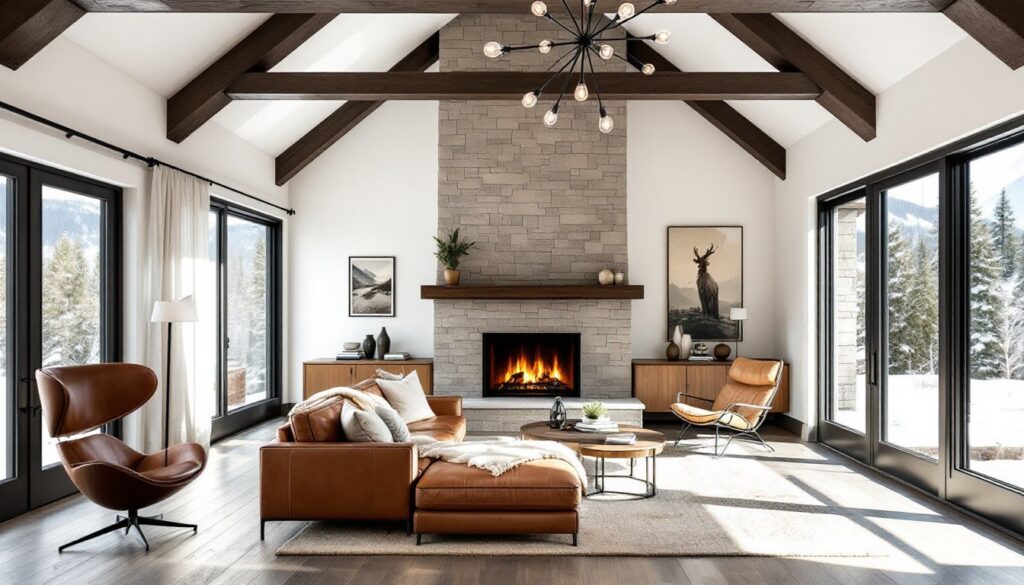

Orlando interior design isn’t just about Mickey Mouse murals and pastel beach colors. The city’s design scene blends Florida’s subtropical climate with a mix of year-round residents, snowbirds, and vacation properties, creating a unique set of demands. Homes need to handle high humidity, intense UV exposure, and open-plan living that blurs the line between indoor and outdoor spaces. Whether someone’s renovating a mid-century ranch in College Park or styling a new-build in Lake Nona, understanding how climate, lifestyle, and local aesthetics intersect is the difference between a design that looks good in photos and one that actually works in Central Florida’s heat and storms.
Table of Contents
ToggleKey Takeaways
- Orlando interior design must prioritize humidity control and UV protection due to the subtropical climate—choose moisture-resistant paints, breathable fabrics, and UV-blocking window treatments to prevent fading and mildew.
- Coastal, tropical, and modern Florida contemporary styles dominate Orlando interiors, emphasizing practical, low-maintenance materials like porcelain tile, luxury vinyl plank, and outdoor-rated Sunbrella fabrics over high-maintenance finishes.
- Indoor-outdoor living transitions are essential in Orlando design—use consistent flooring, pest-proofing details, and covered patios to seamlessly blend interior spaces with the outdoor environment.
- Working with NCIDQ-certified designers familiar with Central Florida’s climate and building codes ensures your project addresses local challenges like wind loads, flood zones, and moisture management.
- DIY improvements like installing moisture-resistant accent walls, upgrading light fixtures with damp-rated options, and refreshing grout with stain are cost-effective ways to enhance Orlando homes while protecting against humidity and heat.
What Makes Orlando Interior Design Unique?
Orlando sits in a climate zone that’s humid subtropical, which means design choices have real consequences. High humidity levels (often 70%+ in summer) make breathable fabrics, moisture-resistant materials, and proper ventilation non-negotiable. Homes without adequate airflow or the wrong paint finishes can develop mildew in closets, bathrooms, and poorly sealed windows.
UV exposure is another factor. South- and west-facing windows get hammered by intense sunlight, which fades upholstery, wood floors, and artwork faster than in northern climates. Designers working in Orlando often specify UV-blocking window films, cellular shades, or exterior shutters, not just for energy efficiency, but to protect finishes and fabrics.
The local lifestyle also shapes design. Many Orlando homeowners prioritize outdoor living, covered patios, screened lanais, and pools are common. Interior spaces often flow directly into these outdoor zones, so indoor-outdoor transitions require consistent flooring materials (like porcelain tile rated for wet areas), durable furniture, and pest-proofing details like door sweeps and sealed thresholds.
Finally, Orlando’s demographic mix influences style. The city has retirees, young families, theme park workers, and a growing tech sector. Design trends here lean practical, low-maintenance finishes, flexible layouts, and kid- or pet-friendly materials are prioritized over high-maintenance showpieces.
Popular Interior Design Styles for Orlando Homes
Coastal and Tropical Influences
Coastal and tropical styles dominate Orlando interiors, but the best versions avoid cliché. Instead of heavy nautical themes or touristy tiki decor, successful coastal design uses light, breathable palettes, whites, soft blues, sandy neutrals, and natural textures like rattan, jute, and linen.
Materials matter. Wicker and rattan furniture holds up better in humidity than solid wood (which can warp). Outdoor-rated fabrics like Sunbrella work indoors for high-traffic areas or rooms with direct sun exposure. These fabrics resist fading and mildew, making them practical for Florida homes.
Tropical elements, palm prints, bamboo accents, large-leaf plants, add personality without turning a room into a resort lobby. Live plants like snake plants, pothos, and bird of paradise thrive indoors in Orlando’s climate and improve air quality, but they need proper drainage to avoid standing water and pests.
Modern Florida Contemporary
Modern Florida contemporary blends clean-lined minimalism with regional materials and an emphasis on natural light. Think open floor plans, large-format tile (24″x24″ or larger), and floor-to-ceiling windows with high-performance glazing.
This style relies on neutral base palettes, grays, whites, warm beiges, with pops of color from artwork or accent pieces. Cabinetry is often slab-front (flat-panel) in matte or high-gloss finishes. Countertops tend toward quartz rather than marble, since quartz is non-porous and handles Florida’s humidity without sealing maintenance.
Lighting is critical. Recessed LED fixtures (4″ or 6″ cans) provide general illumination, while pendant lights or linear suspension fixtures define zones in open-plan spaces. Dimmer switches are standard, Florida’s long daylight hours mean rooms need adjustable lighting for morning and evening use.
Flooring in modern Florida homes often uses luxury vinyl plank (LVP) or porcelain tile that mimics wood. Both are waterproof, termite-proof, and handle temperature swings better than hardwood. Nominal 6″x36″ or 9″x48″ LVP planks are common, installed with a floating click-lock system over concrete slabs typical in Florida construction.
Practical Design Tips for Orlando’s Climate and Lifestyle
Humidity Control Starts with Materials
Skip natural-fiber rugs in bathrooms or entryways. Jute, sisal, and cotton trap moisture and can mildew. Use synthetic outdoor rugs or tile these areas entirely. In closets, install ventilated wire shelving instead of solid wood, it allows air circulation and reduces mustiness.
Paint choice matters. Use moisture-resistant paint (often labeled “bath” or “kitchen” paint) in high-humidity rooms. These formulas contain mildewcides and have a tighter finish that resists moisture penetration. Satin or semi-gloss sheens are easier to wipe down than flat paint.
Window Treatments for Sun and Storms
Cellular (honeycomb) shades provide insulation and UV blocking without eliminating light. Top-down/bottom-up mounting lets homeowners open the top for natural light while keeping the bottom closed for privacy, useful in密集 neighborhoods.
For hurricane-prone areas, exterior storm shutters (roll-down, accordion, or Bahama-style) are non-negotiable. Interior design can’t replace proper storm protection, but it can integrate it. Bahama shutters, for example, double as fixed awnings and add architectural character.
Flooring and Furniture Legs
Elevate furniture slightly off the floor in case of water intrusion from storms or AC condensation leaks. Metal or plastic leg risers (1/2″ to 1″ tall) create airflow underneath sofas and beds, reducing mildew risk.
Avoid wall-to-wall carpet in Florida homes if possible. It traps allergens, dust mites, and moisture. If carpet is necessary (bedrooms, for example), choose low-pile synthetic fibers and run a dehumidifier during humid months.
Color and Heat Management
Light colors reflect heat: dark colors absorb it. Exterior paint in lighter shades reduces cooling loads, but this applies indoors too. Dark accent walls in west-facing rooms can make spaces feel hotter, even with AC running.
Ceiling fans are essential. Install fans with a minimum 52-inch blade span for rooms up to 225 square feet. Larger rooms (over 350 square feet) need 60-inch or dual-fan setups. In Florida’s climate, fans should spin counterclockwise (when looking up) year-round to push air down and create a cooling breeze.
Finding and Working with Orlando Interior Designers
Credentials and Specializations
Look for designers with NCIDQ certification (National Council for Interior Design Qualification) if the project involves space planning, lighting design, or structural changes. Florida doesn’t require interior designers to be licensed, but NCIDQ-certified designers have passed rigorous exams covering building codes and safety standards.
Some designers specialize in Florida-specific challenges, moisture management, hurricane-resistant materials, or outdoor living integration. Ask candidates about their experience with Central Florida’s climate and whether they’ve worked with local building codes (Orlando follows the Florida Building Code, which is based on the International Residential Code but has amendments for wind loads and flood zones).
Budgeting and Contracts
Orlando designers typically charge by the hour ($100–$250/hour depending on experience), a flat project fee, or a percentage of the total project cost (10–20%). Clarify what’s included, some designers charge separately for procurement (sourcing and ordering materials), site visits, and revisions.
Get a written contract that outlines scope, timeline, payment schedule, and who owns design documents. If the designer specifies custom millwork or built-ins, confirm whether drawings are detailed enough for a contractor to bid and build from.
Using Design Platforms
Platforms like Houzz let homeowners browse portfolios, read reviews, and filter by location and style. Look for designers with projects in similar home types (mid-century ranch, new construction, condo) and pay attention to photo quality, professional photography suggests a designer who invests in documenting their work.
Many Orlando designers offer virtual consultations (one- to two-hour video calls with a follow-up design plan), which can be a cost-effective way to get professional input on paint colors, furniture layouts, or material selections before committing to a full-service project.
DIY Interior Design Ideas for Orlando Homeowners
Accent Walls with Moisture-Resistant Materials
Shiplap, beadboard, or PVC trim boards (which won’t warp like wood) make durable accent walls in Florida homes. Install boards horizontally with a laser level to ensure even spacing. Use construction adhesive and 18-gauge brad nails (1-1/4″ or 1-1/2″ length) into studs. Pre-paint boards before installation to avoid gaps if wood shrinks.
For a tropical look without permanent changes, try peel-and-stick wallpaper in moisture-resistant vinyl. Test a small section first, some adhesives fail in high humidity.
Updating Light Fixtures
Swapping outdated light fixtures is a high-impact, low-cost project. Turn off power at the breaker, not just the wall switch. Use a non-contact voltage tester to confirm wires are dead before touching them.
In damp locations (covered patios, bathrooms), fixtures must be UL-listed for damp or wet locations. Check the label. Wet-rated fixtures have sealed housings: damp-rated fixtures resist moisture but aren’t waterproof.
When installing ceiling fans, ensure the electrical box is rated for fan weight (most ceiling boxes hold only 50 pounds: fan-rated boxes support 70+ pounds). If the existing box isn’t rated, replace it with a pancake box or ceiling fan brace before mounting the fan.
Refreshing Tile Grout
Florida’s humidity accelerates grout discoloration. Instead of regrouting, try a grout pen (like a paint marker) for quick color refresh on small areas, or apply a grout stain for larger jobs. Clean grout first with a 1:1 vinegar-water solution and a stiff nylon brush. Let dry completely (24 hours in Florida humidity) before applying stain.
For long-term protection, seal grout with a penetrating sealer (not a surface coating, which can peel). Reapply every 1–2 years in wet areas.
DIY Outdoor Curtains for Lanais
Outdoor curtain panels soften hard surfaces and provide shade and privacy. Use outdoor fabric (Sunbrella, solution-dyed acrylic) and marine-grade stainless steel grommets to prevent rust. Hang panels from galvanized steel or aluminum rods, never wood, which rots in Florida’s climate.
Mount rods with heavy-duty brackets screwed into concrete block or stucco, use masonry anchors (plastic sleeve anchors or wedge anchors) rated for the weight. A standard 84″ outdoor panel weighs 3–5 pounds: factor in wind load if the lanai isn’t fully enclosed.
Safety Note
Wear safety glasses when drilling into masonry (chips fly), and use a dust mask if cutting or sanding MDF or tile, both produce fine particles that irritate lungs. Keep a fire extinguisher nearby when using heat guns for wallpaper removal or shrink-wrapping outdoor furniture.