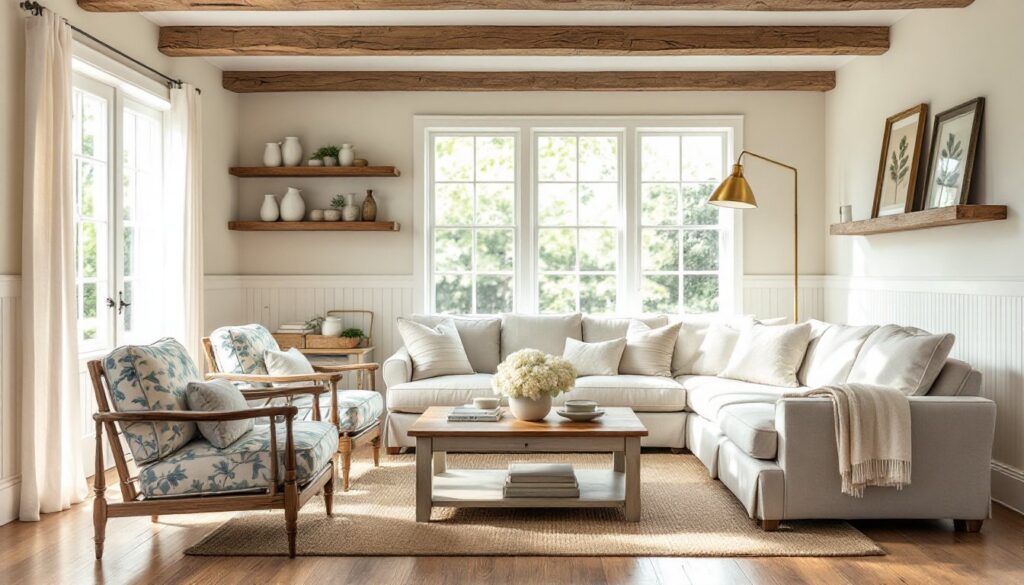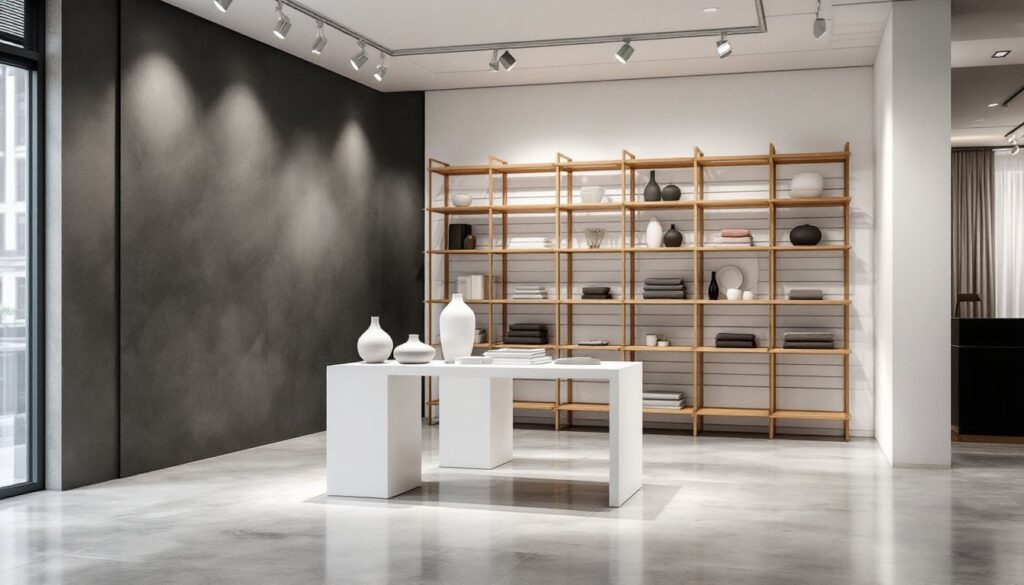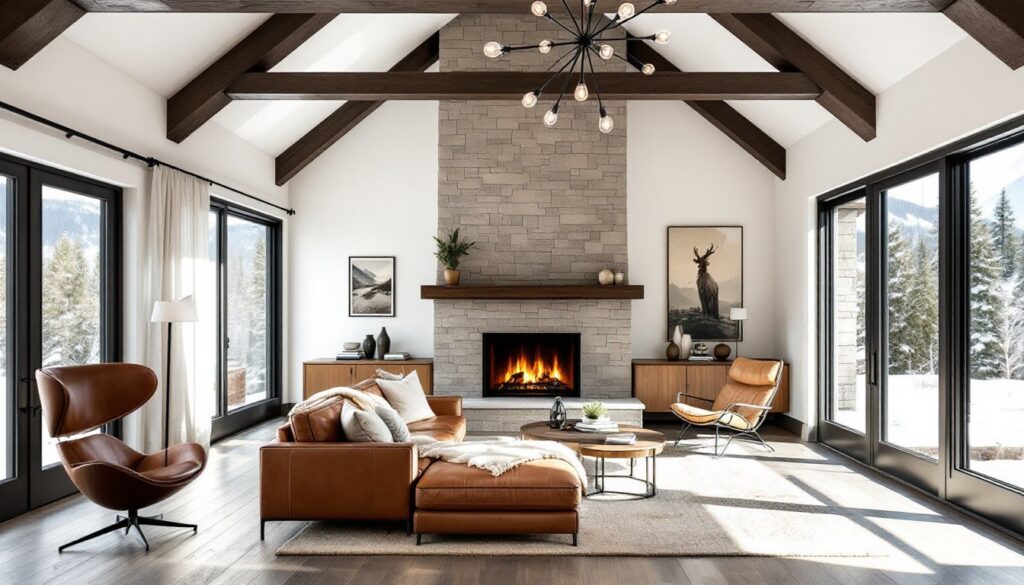
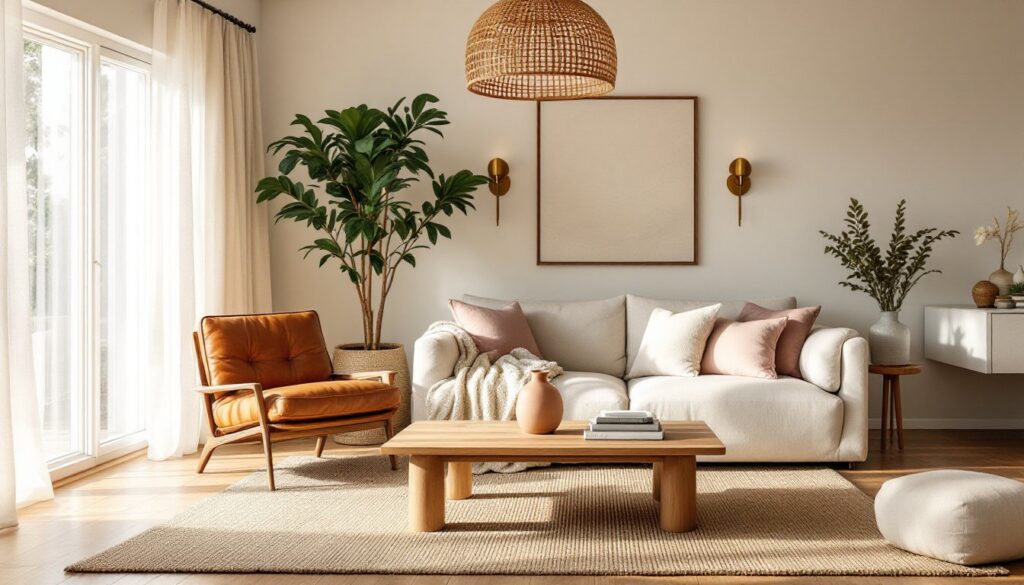
Texture is the unsung hero of <a href="https://hearthdreamfield.com/interior-design-101/”>interior design, the detail that separates a flat, catalog-style room from a space that actually feels lived-in and inviting. It’s not about draping every surface in velvet or stacking throw pillows like a retail display. Texture adds dimension, warmth, and character through deliberate material choices, surface finishes, and layering techniques that work together. Whether someone’s updating a single room or planning a full renovation, understanding how to use texture strategically makes the difference between a space that looks good in photos and one that feels right when they walk through the door.
Table of Contents
ToggleKey Takeaways
- Texture interior design separates catalog-style rooms from inviting, lived-in spaces by adding dimension, warmth, and character through deliberate material choices and layering techniques.
- Both visual texture (patterns and shadows) and tactile texture (how surfaces feel to the touch) work together to create depth, improve acoustics, and add warmth without changing color or layout.
- Layer at least three distinct textures in any sightline using the rule of three—pairing rough with smooth, matte with gloss, and soft with hard to create balanced contrast.
- Textured flooring, upholstery, and natural materials like wood and stone hide wear better, resist pilling, and solve practical problems in high-traffic areas while improving comfort.
- Each room requires intentional texture choices matched to its function: kitchens need durable, cleanable textures; bedrooms should emphasize comfort with soft tactiles; and entryways benefit from durable, layered surfaces that make strong first impressions.
What Is Texture in Interior Design?
Texture refers to the surface quality of materials and finishes, how something looks and feels to the touch. In design terms, it’s both a visual and physical characteristic that adds depth to a room.
Every surface has texture, even smooth ones. A painted drywall finish has a different quality than polished marble, which differs from raw concrete. The goal is to create contrast and interest by combining materials with varying surface characteristics.
Texture works on two levels: what the eye perceives (visual texture) and what the hand experiences (tactile texture). A room photograph shows visual texture through shadows, patterns, and surface variations. But standing in that same room, someone notices the cool smoothness of a granite countertop, the rough weave of linen curtains, or the plush depth of a wool rug underfoot.
This dual nature makes texture one of the most versatile design tools available. It can make a monochromatic room feel dynamic, soften hard architectural lines, or add warmth to minimalist spaces without changing the color palette or layout. Understanding this principle is foundational to design, whether working on a budget refresh or a ground-up build.
Why Texture Matters in Your Home
Texture does functional and aesthetic work that paint color alone can’t accomplish. First, it creates visual weight and balance. A room with only smooth surfaces, glossy cabinets, painted walls, polished floors, can feel sterile or institutional. Introducing textured elements like woven baskets, matte tiles, or reclaimed wood immediately grounds the space.
Second, texture affects acoustics. Hard, reflective surfaces (glass, tile, hardwood) bounce sound around, creating echo and noise. Soft, absorbent textures (upholstered furniture, area rugs, fabric wall panels) dampen sound. In open-concept homes or rooms with vaulted ceilings, adding textured soft goods improves comfort without architectural changes.
Third, texture adds warmth, both literal and perceived. Natural materials like wood, wool, and stone carry thermal mass and organic irregularities that make spaces feel more inviting. This is especially important in modern builds where drywall, vinyl flooring, and laminate dominate.
Finally, texture solves practical problems. High-traffic areas benefit from durable, textured flooring like brushed oak or textured porcelain tile, which hides wear better than smooth finishes. Textured upholstery fabrics resist pilling and show fewer water spots than flat weaves. Designers often recommend combining design principles with practical material choices to balance style and function in real-world use.
Types of Texture to Incorporate in Your Space
Visual Texture
Visual texture creates the illusion of surface variation without a corresponding tactile change. It’s pattern, shadow, and perceived depth. Examples include:
- Wallpaper with raised or printed patterns that look three-dimensional but feel flat to the touch
- Faux finishes like Venetian plaster or painted wood grain
- Tile layouts using the same material in different orientations (herringbone, chevron, stacked bond) to create shadow lines
- Fabric prints that mimic textures like crocodile leather, grasscloth, or hammered metal
Visual texture works well in spaces where tactile texture isn’t practical, backsplashes behind cooktops, high walls, or surfaces that need frequent cleaning. It’s also budget-friendly. A peel-and-stick grasscloth wallpaper can mimic the look of natural woven fiber for a fraction of the cost and without the installation complexity.
Use visual texture to add interest in small doses. An accent wall with geometric tile, a printed Roman shade, or a piece of artwork with heavy brushstrokes all contribute visual depth without adding physical bulk to a room.
Tactile Texture
Tactile texture is the real deal, surfaces that feel different when touched. This is where material selection makes the biggest impact. Common tactile textures include:
- Natural wood: Grain patterns, knots, and surface treatments (hand-scraped, wire-brushed, smooth-sanded)
- Stone and concrete: Polished, honed, flamed, or tumbled finishes
- Textiles: Linen, wool, velvet, bouclé, jute, and chenille each have distinct hand-feel
- Metal finishes: Brushed, hammered, patina, or powder-coated surfaces
- Glass: Smooth, frosted, seeded, or ribbed
Tactile texture should be used where people interact with surfaces. Upholstery, bedding, area rugs, countertops, cabinetry hardware, and flooring are all prime candidates. A hand-troweled plaster wall offers a subtle, organic irregularity that’s impossible to replicate with paint. Reclaimed barn wood paneling brings authentic age and character that new materials can’t match.
When selecting tactile materials, consider maintenance. A chunky wool throw looks great but sheds. Textured porcelain tile rated for floors performs better in entryways than smooth marble. Honest material choices prevent regret six months down the line. Many modern design approaches layer tactile textures deliberately for both visual and practical reasons.
How to Layer Textures Like a Pro
Layering texture is about balance, not volume. The goal is contrast, pairing rough with smooth, matte with gloss, soft with hard, so each material stands out.
Start with the room’s largest surfaces: flooring, walls, and ceiling. Choose one dominant texture, then contrast it with secondary and accent textures. For example, if the floor is smooth white oak (dominant), walls could be matte painted drywall (neutral), and accents might include a jute area rug, linen curtains, and a chunky knit throw (secondary and accent textures).
Next, apply the rule of three. Combine at least three distinct textures in any sightline. This might be a leather sofa, a nubby wool pillow, and a ceramic lamp base. The variety prevents monotony without creating chaos.
Pay attention to scale. Mix large-scale textures (a stone fireplace surround, wide-plank flooring) with medium (woven dining chairs, a quilted bedspread) and small (hammered drawer pulls, a beaded chandelier). This creates rhythm and keeps the eye moving.
Use sheen as a textural tool. Flat, eggshell, satin, semi-gloss, and high-gloss paint finishes all reflect light differently. A flat ceiling paired with eggshell walls and semi-gloss trim adds subtle textural layers without pattern or material changes. Similarly, mixing metal finishes, brushed nickel faucets with matte black cabinet pulls, introduces contrast.
Don’t forget negative space. Not every surface needs texture. A clean design approach often includes smooth, unadorned areas that let textured elements shine. A room crowded with texture feels cluttered, not layered.
Room-by-Room Texture Ideas for Homeowners
Living Room: This is the easiest space to layer texture because it holds the most variety of furniture and accessories. Start with flooring, engineered hardwood with a wire-brushed finish or textured area rugs over existing floors. Upholstery should mix materials: a linen sofa, leather accent chair, and velvet pillows. Window treatments in woven cotton or linen add softness. Finish with hard textures like a reclaimed wood coffee table, ceramic or stone accessories, and metal light fixtures.
Kitchen: Kitchens trend smooth for cleanability, so texture has to work harder. Consider textured tile backsplashes in subway, zellige, or 3D geometric patterns. Wood or butcher block countertops on an island contrast nicely with polished quartz on perimeter counters. Cabinet doors in shaker style with visible grain add subtle texture. Woven pendant lights or rattan bar stools introduce organic elements. Avoid heavy fabric in kitchens, grease and moisture are enemies.
Bedroom: Comfort is tactile. Layer linen or cotton sheets, a quilted coverlet, and a chunky knit throw. Headboards offer texture opportunities: upholstered in bouclé or velvet, reclaimed wood planks, or woven rattan. Nightstands in natural wood with visible grain or textured ceramic table lamps add interest. Area rugs in high-pile wool or shag feel good underfoot. Keep walls relatively simple, matte or eggshell paint, to let the bed and textiles be the focus. Those interested in coastal-inspired bedrooms often incorporate natural textures like jute and linen.
Bathroom: Bathrooms need moisture-resistant textures. Textured porcelain or ceramic tile works on floors and walls, consider hexagon mosaics, stacked stone, or 3D wavy tiles. Wood-look tile offers texture without water damage concerns. Shower niches in honed marble contrast with glossy wall tile. Vanities in natural wood or textured laminate add warmth. Accessories like woven baskets, textured glass vessels, and linen hand towels soften hard surfaces. Skip fabric shower curtains in favor of frameless glass to show off tilework.
Dining Room: Focus on the table and seating. A live-edge wood dining table or textured stone top anchors the room. Mix seating materials, upholstered chairs with wood or metal frames. A jute or sisal rug grounds the space and hides crumbs better than smooth fibers. Lighting is key: a woven pendant, beaded chandelier, or hammered metal fixture draws the eye up. Wall treatments like board-and-batten, plaster, or grasscloth wallpaper add dimension without overwhelming the space.
Entryway: First impressions rely on texture. Flooring should be durable and textured, slate tile, textured porcelain, or reclaimed brick. A jute or flatweave runner adds warmth. A wood console table with visible grain, ceramic or stoneware accessories, and woven baskets for storage keep the space functional and layered. Wall hooks in wrought iron or brushed metal offer practical texture. If space allows, an upholstered bench in durable fabric adds softness.
Home Office: Productivity benefits from tactile variety. A wood desk with natural grain or textured laminate beats a smooth laminate any day. Seating in mesh, leather, or textured fabric adds comfort. Cork or fabric wall panels improve acoustics and provide pin-up space. Area rugs in low-pile wool or flatweave define the workspace without catching chair wheels. Shelving in wood or metal with ceramic or stone desk accessories keeps the space grounded. Design strategies that mix textures help maintain focus and visual interest during long work sessions.
Each room benefits from intentional texture choices that match its function, traffic level, and cleaning requirements. The key is to start with durable base materials, then layer softer or more decorative textures that can be swapped seasonally or as trends shift.