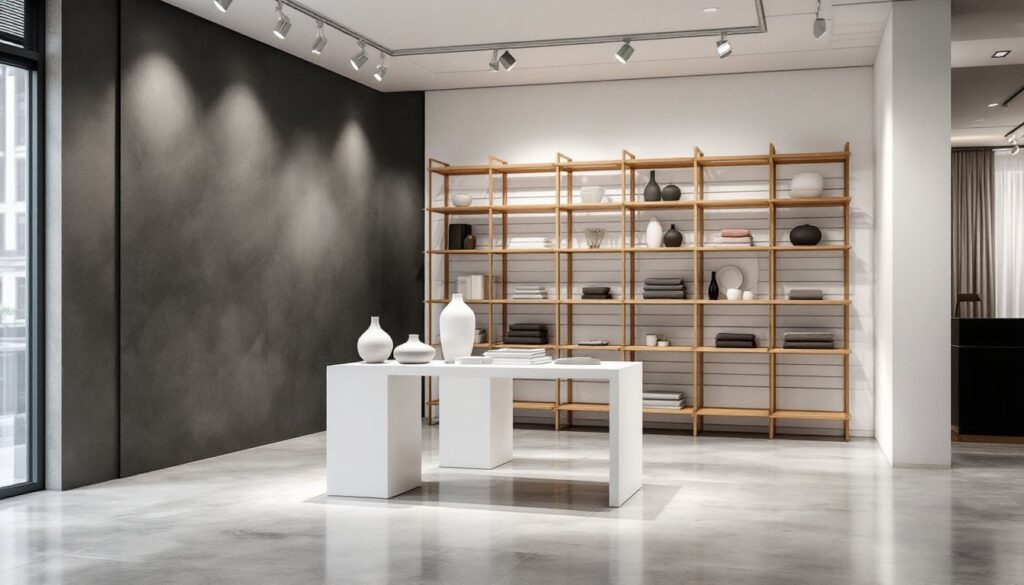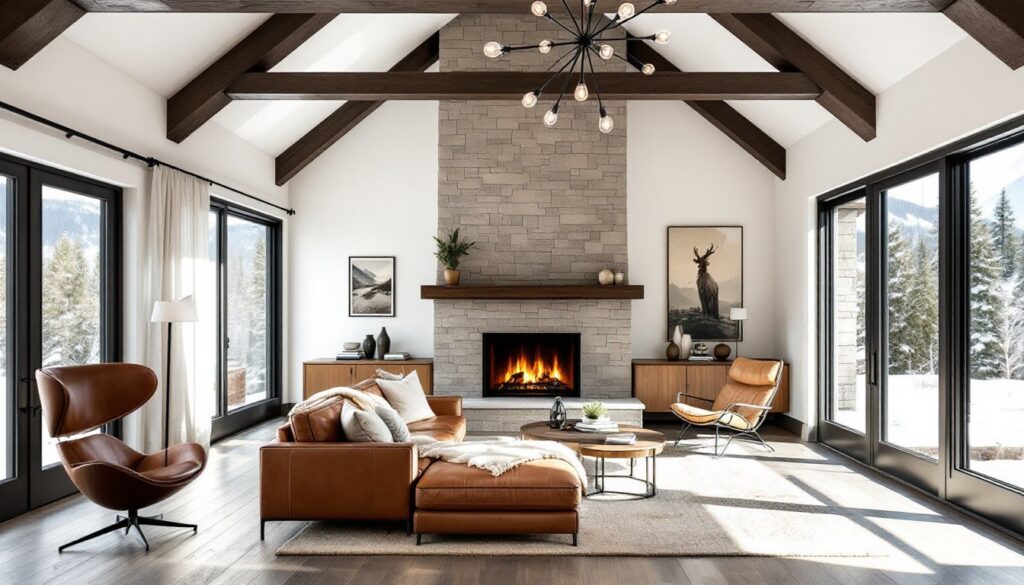

Carving out a productive coworking environment at home doesn’t require commercial-grade buildouts or a six-figure budget. Whether you’re adapting a spare bedroom, finishing a basement corner, or converting a garage bay, thoughtful <a href="https://hearthdreamfield.com/pinterest-interior-design/”>interior design can transform underutilized square footage into a collaborative workspace that rivals any downtown loft. The challenge isn’t just fitting desks into a room, it’s creating zones that support focused work, spontaneous brainstorming, and the kind of atmosphere that keeps energy levels steady through a full workday. This guide walks through the layout, materials, and finishing touches that make a home-based coworking space functional, comfortable, and genuinely inspiring.
Table of Contents
ToggleKey Takeaways
- Intentional coworking space interior design choices—including proper lighting, ergonomic furniture, and acoustic management—directly reduce fatigue and improve focus and productivity.
- Separate your coworking space into three functional zones: individual workstations (facing walls or windows), collaboration areas (around a 48-inch table), and a flex zone for standing meetings to minimize distractions and enable different work modes.
- Invest in mid-tier ergonomic task chairs ($200–$400 range) with lumbar support and adjustable seating rather than cheap alternatives, as comfort during long work hours prevents back strain and maintains energy levels.
- Layer three types of artificial lighting—ambient (4,800–6,000 lumens), task (adjustable desk lamps at 400–600 lumens), and accent lighting—combined with natural light and dimmer controls to reduce eye strain and create flexible moods.
- Use acoustic panels, area rugs, and soft materials to absorb sound and prevent echo, making video calls and focused work possible when multiple people share one coworking space.
- Balance neutral wall colors (light gray, warm white, or greige) with one accent wall in a bolder shade, and choose durable materials like engineered hardwood flooring and wood textures to create a warm, professional environment that feels intentional rather than institutional.
Why Coworking Space Design Matters for Productivity and Collaboration
A well-designed coworking environment does more than look polished, it actively shapes how people work. Poor lighting triggers eye strain and afternoon slumps. Cramped layouts kill collaboration. Echoey rooms make video calls a nightmare.
Research on workspace ergonomics consistently shows that intentional design choices, adjustable seating, adequate task lighting, and acoustic management, reduce fatigue and improve focus. When multiple people share one space, those factors compound. One person’s phone call becomes everyone’s distraction without proper zoning.
The layout should separate quiet, heads-down work from collaborative areas. Think of it as residential zoning for your workday: you wouldn’t put a loading dock next to a library. Similarly, a standing desk cluster near a whiteboard wall invites teamwork, while a corner nook with a privacy screen supports deep concentration.
Materials and finishes also send psychological cues. Hard surfaces like polished concrete or laminate amplify sound and feel institutional. Softer textures, wool rugs, fabric panels, wood slat ceilings, absorb noise and add warmth. Even minor upgrades like swapping fluorescent tubes for daylight-balanced LEDs can shift the entire mood of a room. If your space feels more like a DMV waiting area than a place you’d choose to spend eight hours, design changes aren’t optional, they’re essential.
Essential Layout and Zoning Strategies for a Functional Coworking Space
Start by measuring the room’s actual usable area, accounting for door swings, HVAC vents, and electrical outlets. A 10×12-foot room offers roughly 120 square feet, but subtract about 20% for circulation, the pathways people need to move without bumping chairs or tripping over cords.
Divide the space into three functional zones: individual workstations, a collaboration area, and a flex zone for standing meetings or breakout tasks. If your room is smaller than 150 square feet, combine the flex and collaboration zones.
Individual workstations need at least 30 inches of depth and 48 inches of width per person to accommodate a monitor, keyboard, and elbow room. Position desks facing walls or windows to minimize visual distractions. Avoid placing workstations back-to-back unless you install a privacy screen or low partition (48–60 inches high) to reduce line-of-sight interruptions.
For collaboration zones, budget 25–30 square feet per person around a central table. A 48-inch round table seats four comfortably for brainstorming sessions. Mount a whiteboard or corkboard at eye level (center line around 60 inches from the floor) within arm’s reach of seating.
Electrical and data infrastructure often gets overlooked. Run a dedicated 20-amp circuit for the workstation zone if you’re powering multiple computers, monitors, and chargers simultaneously, standard 15-amp bedroom circuits can trip under load. Surface-mounted raceways or floor cord covers keep cables tidy and meet basic safety standards, though recessed floor boxes are cleaner if you’re opening walls. Consult local electrical codes: some jurisdictions require permitted work for new circuits.
Use area rugs, paint, or design principles to visually distinguish zones without building walls. A 6×9-foot rug under the collaboration table anchors that zone, while a different paint color or wood accent wall can define the workstation area.
Choosing the Right Furniture for Comfort and Flexibility
Cheap task chairs are a false economy. After four hours, a $60 big-box chair will punish your lower back. Look for seating with adjustable seat height, lumbar support, and armrests, you don’t need a $1,200 Herman Miller, but aim for at least a mid-tier ergonomic model in the $200–$400 range.
Desk height should accommodate both seated and standing work if possible. Standard seated desks are 28–30 inches tall: electric or crank sit-stand frames adjust from 24 to 50 inches. If budget limits you to fixed-height desks, prioritize proper chair adjustment and footrests over standing capability.
Modular furniture adds flexibility. Rolling file cabinets double as side tables. Folding training tables (typically 18×60 inches or 24×72 inches) store flat when the collaboration zone needs to become overflow seating. Avoid furniture with permanent built-ins, tastes change, and so do space needs.
For collaborative seating, stackable stools or lightweight side chairs beat heavy upholstered armchairs. You want pieces that two people can rearrange in under a minute. Metal-frame stools with wood seats are durable and easy to clean: fabric cushions absorb spills and collect dust.
Storage should be vertical. Wall-mounted shelves, pegboards, or slat walls reclaim floor space. Keep frequently used supplies (chargers, notepads, pens) at arm’s reach in drawer organizers or desktop caddies. Archive boxes and seasonal gear belong on high shelves or in a separate closet, don’t let them colonize your active workspace.
Lighting Design: Balancing Natural and Artificial Light Sources
Natural light is the gold standard, but it’s not always available, or consistent. South-facing windows flood a room with daylight but can cause glare on screens. North-facing windows offer softer, more even light. If you’re working with east or west exposures, expect harsh angles during morning or afternoon.
Window treatments should diffuse, not block. Cellular shades or sheer roller blinds soften direct sun without turning the room into a cave. Vertical blinds let you angle slats to control glare while preserving some view.
Artificial lighting needs three layers: ambient, task, and accent. Ambient light comes from ceiling fixtures, recessed LED cans (4-inch or 6-inch) spaced 4–6 feet apart provide even coverage. Aim for 40–50 lumens per square foot in work areas: that’s roughly 4,800–6,000 lumens for a 120-square-foot room. Choose 3000K to 4000K color temperature bulbs for a balance between warm and daylight tones.
Task lighting is non-negotiable. Adjustable LED desk lamps with swing arms let users direct light exactly where needed. Look for lamps rated at 400–600 lumens at the task surface. Avoid lamps with exposed bulbs that create harsh shadows or glare.
Accent lighting, like LED strip lights behind monitors or under shelves, reduces eye strain by lowering contrast between bright screens and dark walls. Mounting a strip with a warm white (2700K) color temperature behind a monitor creates a subtle backlight that’s easier on the eyes during long sessions.
Install lighting on dimmer switches where possible. A 0-10V dimmer compatible with LED fixtures gives smooth control and avoids the flicker issues common with cheap trailing-edge dimmers. If you’re adding new fixtures, check local codes, some jurisdictions require arc-fault circuit interrupters (AFCIs) on bedroom and office circuits.
Many innovative coworking designs use layered lighting to create distinct zones and moods within open floor plans.
Color Schemes and Materials That Boost Creativity and Focus
Color affects mood, but the effect isn’t universal. Blues and greens tend to support focus and calm, useful in heads-down work zones. Warmer tones like terracotta, mustard, or coral can energize collaborative areas. Avoid all-white or stark monochrome schemes: they feel clinical and increase glare.
A practical approach: paint three walls in a neutral base (light gray, warm white, greige) and use one accent wall in a bolder shade. That accent wall becomes the collaboration zone’s backdrop, visually anchoring the space without overwhelming it.
Paint finish matters. Eggshell or satin finishes (10–25% sheen) hide minor wall imperfections and wipe clean more easily than flat paint, important when you’re erasing whiteboard marks or moving furniture. Reserve semi-gloss for trim and doors.
Materials should balance durability with warmth. Laminate or engineered hardwood flooring handles rolling chairs better than carpet and simplifies cleaning. If acoustics are a concern, layer a low-pile area rug (0.25–0.5 inch) in high-traffic zones, thick shag rugs trap dust and tangle chair casters.
Wood tones add warmth without maintenance headaches. A reclaimed wood accent wall (3/4-inch planks, typically 4–6 inches wide) or butcher-block desktop introduces texture. Sand and seal raw wood with water-based polyurethane (2–3 coats) to prevent staining and splintering.
Metal accents, matte black or brushed steel hardware, shelving brackets, light fixtures, ground the palette and add an industrial edge. Avoid mixing more than three metal finishes in one room: it starts looking like a hardware store clearance rack.
For visual interest, explore furniture and material combinations that layer textures without clashing.
Adding Personal Touches: Decor, Branding, and Acoustic Solutions
Personal touches distinguish a coworking space from a generic conference room, but restraint prevents it from looking like a dorm. Limit wall art to 2–3 large pieces or a curated gallery wall in the collaboration zone. Oversized prints (24×36 inches or larger) anchor a wall: cluttered collections of small frames look busy.
If the space serves a home business, subtle branding, a logo decal, branded colors, or custom signage, reinforces professionalism. Keep it low-key: a 12×24-inch wood or acrylic sign near the entrance, not a billboard.
Plants improve air quality and soften hard surfaces, but stick to low-maintenance varieties: pothos, snake plants, or ZZ plants tolerate neglect and low light. Use self-watering planters (6–10-inch diameter) to avoid root rot or forgotten waterings.
Acoustic treatment is often the missing piece in DIY coworking spaces. Hard surfaces reflect sound, creating echo and making it impossible to concentrate during overlapping calls. Install acoustic panels (typically 2×4 feet, 1–2 inches thick) on walls adjacent to workstations. Panels made from fiberglass-wrapped fabric or polyester felt absorb mid- and high-frequency noise: bass traps handle low rumble but are overkill for most home offices.
Alternatively, fabric-wrapped wall panels made from 1-inch-thick rigid fiberglass insulation (Owens Corning 703 or Roxul Safe’n’Sound) and covered with acoustic fabric provide similar performance at lower cost. Mount them with Z-clips or Command strips rated for the panel weight, typically 3–5 pounds for a 2×4-foot panel.
Area rugs, curtains, and upholstered furniture also dampen sound. A room with a rug, fabric roller shade, and two upholstered chairs will sound noticeably quieter than one with bare floors, metal blinds, and all-hard seating.
If noise from adjacent rooms is an issue, consider weatherstripping the door with a door sweep (typically a 36-inch aluminum or vinyl strip) and adhesive foam tape around the jamb. It won’t deliver studio-grade isolation, but it reduces bleed from hallway traffic or nearby TVs.
For more spatial ideas that blend function and aesthetics, balance timeless materials with practical upgrades. Similarly, principles used in guest-focused spaces translate well to coworking: durable finishes, intuitive layouts, and welcoming details that don’t require constant upkeep.
Finally, don’t underestimate the power of good organization. Cable management alone, velcro straps, raceways, or under-desk trays, can transform a chaotic workspace into one that feels calm and intentional. Small investments like design galleries often spark ideas for built-in storage or custom shelving that maximizes every inch.
Conclusion
Building a functional coworking space at home comes down to intentional choices: zoning the layout for different work modes, investing in furniture that supports long hours, layering light sources, selecting materials that absorb sound, and adding just enough personality to make the space feel human. These aren’t cosmetic upgrades, they’re the infrastructure that keeps productivity steady and stress low. Measure twice, plan your zones, and don’t skip the acoustic panels. The result is a workspace that works as hard as you do.