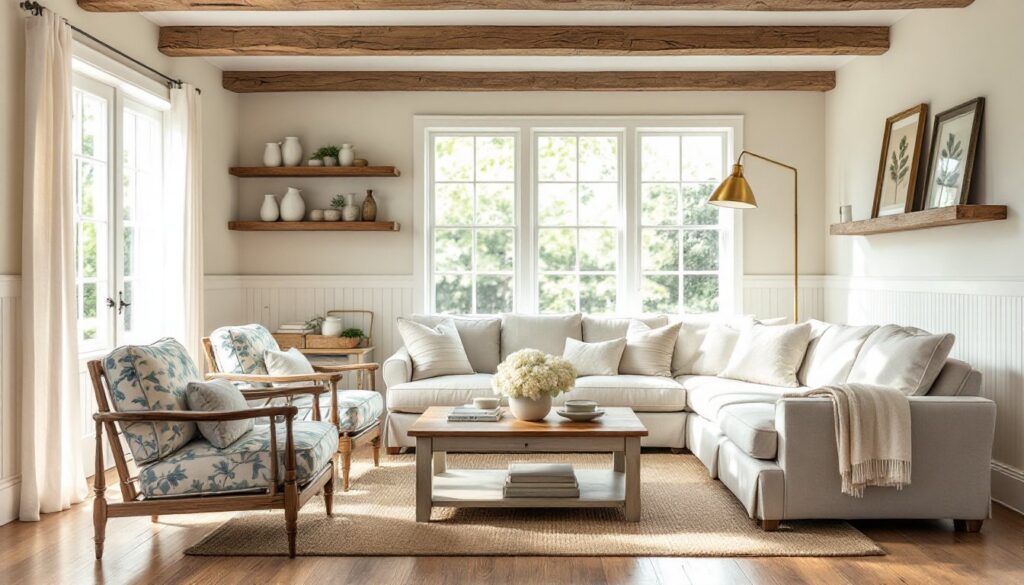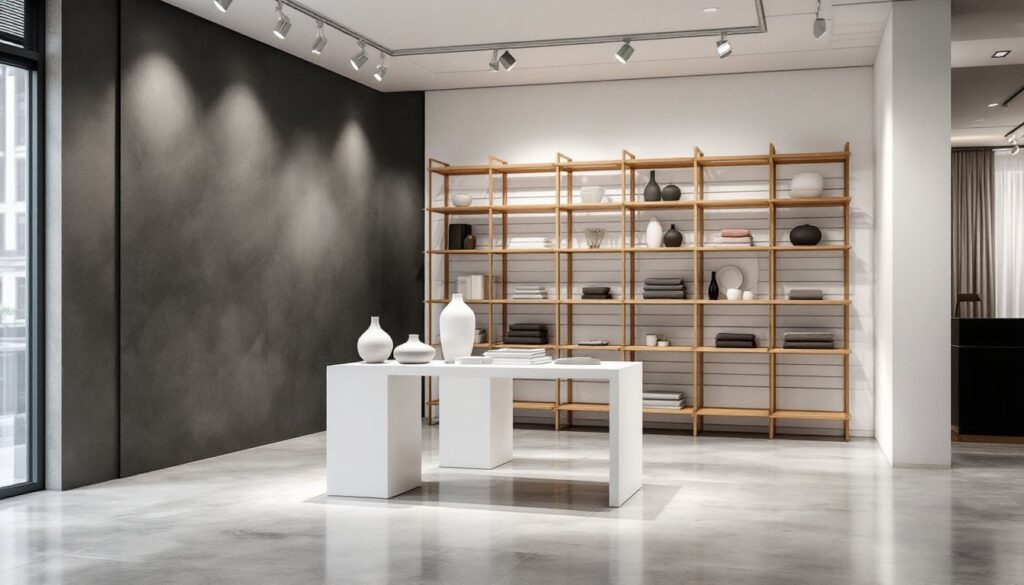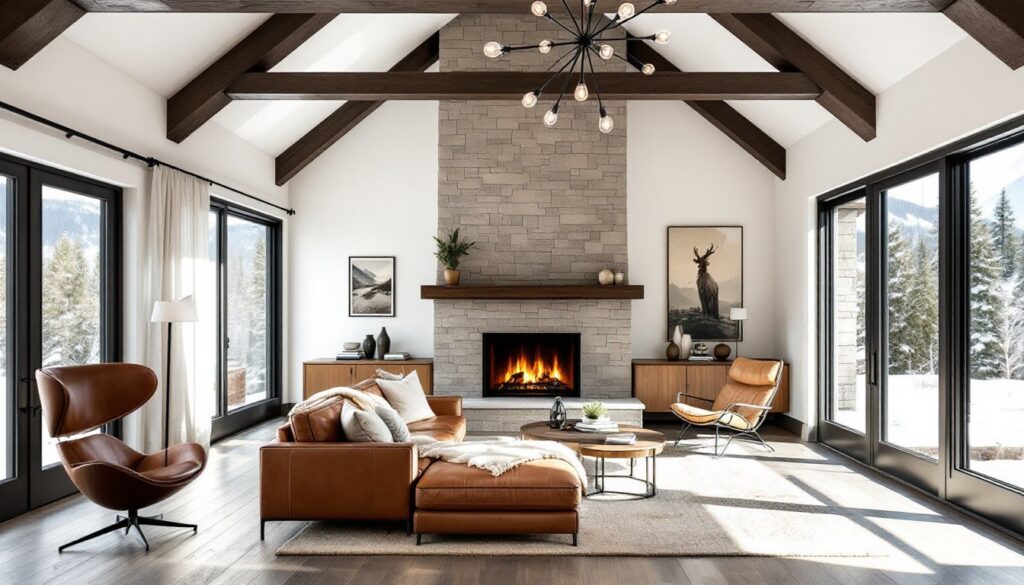

Singapore’s interior design scene has earned global recognition for blending form with function in impossibly tight spaces. What sets award-winning work apart isn’t just pretty rooms, it’s thoughtful space planning, climate-appropriate material choices, and design that works for actual living. Whether you’re planning a renovation or just want to refresh your HDB flat, understanding what makes a design award-worthy can help you make smarter choices. This guide breaks down the elements that earn trophies and how you can apply those principles without hiring a celebrity designer.
Table of Contents
ToggleKey Takeaways
- Award-winning interior design in Singapore prioritizes space efficiency, climate responsiveness, and cultural context—solving real problems while maximizing functionality in compact homes.
- Biophilic design, terrazzo surfaces, timber slat walls, and smart home integration with minimalist aesthetics dominate 2026’s award-winning projects.
- Strategic space planning with proper measurements, dimensioned floor plans, and optimized traffic flow (36–48 inches for pathways) creates the foundation for designer-quality results.
- Invest in high-impact, budget-friendly upgrades like architectural lighting, quality paint with proper surface prep, and one statement piece per room rather than purchasing everything new.
- Award-winning designs incorporate sustainable materials like low-VOC finishes, locally sourced timber, and energy-efficient systems—prioritizing Green Mark certification and long-term durability over trendy shortcuts.
- Hire licensed professionals for structural, electrical, plumbing, and gas work to comply with Singapore regulations; DIY only cosmetic projects like painting, shelving, and fixture swaps.
What Makes Interior Design Award-Worthy in Singapore
Award juries don’t hand out trophies for matching throw pillows. They look for projects that solve real problems while pushing design boundaries.
Space efficiency tops the list. Singapore homes average 900-1,200 square feet for a typical three-bedroom HDB flat, so award-winning designs maximize every inch. This means built-in storage that doesn’t feel like a closet exploded, furniture that serves double duty, and sight lines that make rooms feel larger than their floor plans suggest.
Climate responsiveness matters in a tropical city. Winning designs incorporate cross-ventilation strategies, specify materials that handle 80-90% humidity without warping, and balance natural light without turning rooms into greenhouses. You’ll see engineered wood flooring instead of solid hardwood, moisture-resistant MDF for cabinetry, and window treatments that block UV rays while maintaining views.
Cultural context earns points too. The best Singapore interiors reference Peranakan heritage, colonial architecture, or modern Asian aesthetics without feeling like a museum exhibit. This might mean reinterpreting traditional latticework as a room divider or using terrazzo, a material with deep Southeast Asian roots, in contemporary applications.
Sustainability credentials have become non-negotiable since 2024. Juries want to see low-VOC finishes, locally sourced materials where feasible, and energy-efficient lighting and HVAC systems. Projects that achieve Green Mark certification from Singapore’s Building and Construction Authority get extra consideration.
Finally, craftsmanship quality separates professionals from amateurs. Award-winning work shows tight joinery, seamless tile work, and finishes that’ll last a decade, not just until the photo shoot ends.
Top Award-Winning Design Trends Dominating Singapore Homes
Two major trends have dominated awards circuits and actual residential projects across Singapore in 2025-2026.
Biophilic Design and Sustainable Materials
Biophilic design, bringing nature indoors, has evolved beyond sticking a fiddle-leaf fig in the corner. Award-winning projects integrate living walls with automated irrigation, floor-to-ceiling windows that frame courtyard gardens, and natural materials that age gracefully.
Rattan and cane furniture have made a serious comeback, but in updated forms with cleaner lines. These materials handle humidity better than upholstered pieces and add texture without visual weight. Expect to see them in modern classic interior applications.
Terrazzo has replaced marble as the prestige surface. It’s cooler underfoot (crucial in Singapore’s heat), more slip-resistant when wet, and available in custom color mixes. Current award winners favor terrazzo with larger aggregate chips in muted tones rather than the busy 1950s versions.
Timber slat walls appear in nearly every shortlisted project. They add warmth, provide acoustic dampening in open-plan spaces, and create visual interest without pattern overload. Use kiln-dried engineered timber rated for tropical climates, solid wood will warp within six months.
Sustainable choices that publications like Architectural Digest highlight include recycled glass countertops, reclaimed teak for feature walls (properly treated against termites), and low-flow plumbing fixtures that cut water consumption by 30-40% without sacrificing pressure.
Smart Home Integration and Minimalist Aesthetics
Minimalism has been trendy for years, but 2026’s award winners pair it with invisible technology. The goal: spaces that feel serene but function like a starship.
Integrated lighting systems controlled by apps or voice commands replace visible switches. LED strips tucked into cove molding, under cabinets, and behind mirrors provide layered lighting that adapts from morning coffee to dinner parties. Specify 3000K color temperature for living areas, warm enough to feel inviting, neutral enough for task work.
Hidden climate control means slim cassette-type air conditioning units concealed behind architectural details instead of bulky wall units. Award-winning projects often use inverter systems with individual zone control, cutting energy costs by up to 40% compared to older central AC.
Motorized window treatments aren’t just luxury anymore. With Singapore’s intense UV exposure, automated blinds programmed to close during peak sun hours protect finishes and reduce cooling loads. Look for systems that integrate with home automation platforms like Control4 or Lutron.
Concealed storage reaches new levels. Winning designs hide entire kitchens behind pocket doors, tuck TV screens into millwork that disappears when not in use, and build storage under platforms and staircases. The key is hardware quality, soft-close mechanisms and full-extension drawer slides aren’t optional if you want systems to work after 1,000 cycles.
Minimalist kitchens favor handleless cabinetry with push-to-open mechanisms and integrated appliances. Surfaces stay uncluttered because everything from charging stations to coffee makers lives in dedicated appliance garages with their own electrical circuits.
How to Incorporate Award-Winning Design Elements into Your Home
You don’t need a six-figure budget to borrow from award-winning playbooks. Focus on the strategies that deliver the biggest impact.
Start with space planning. Before buying a single piece of furniture, measure everything and create a scaled floor plan. Award-winning designers obsess over furniture placement, traffic flow, and sight lines. Leave at least 36 inches for major pathways, 48 inches for high-traffic zones like kitchen work triangles.
Map where natural light enters at different times of day, this determines where you’ll want seating areas, work surfaces, and plants. Use a simple tape measure and graph paper, or free tools like RoomSketcher if you prefer digital planning.
Invest in architectural lighting. This makes the biggest visual difference for reasonable cost. Install dimmer switches (around $30-50 per switch) on all overhead lights. Add LED strips under wall-mounted cabinets or floating shelves, these create depth and highlight textures. Budget $15-25 per linear meter for decent LED strips with proper drivers.
For statement lighting, one well-chosen pendant or floor lamp beats five mediocre fixtures. Look for pieces with architectural presence, sculptural forms, interesting materials, or graphic shadows when lit.
Create a focal wall using techniques from award-winning projects. Options include:
- Timber slats: Pre-made panels run $80-150 per square meter installed. DIY cuts costs but requires a table saw, level, and patience for consistent spacing.
- Textured paint techniques: Limewash or Venetian plaster adds depth for $8-15 per square meter in materials. Application takes practice, test on scrap boards first.
- Large-format tiles: Installing 60×120cm porcelain tiles creates a seamless look with minimal grout lines. This is structural work, hire a pro if you haven’t tiled before. Improper substrate prep leads to cracking.
Upgrade hardware and fixtures. Swapping builder-grade door handles, cabinet pulls, and light switches for quality versions costs $200-500 for a typical room but dramatically elevates the finish level. Choose brushed brass, matte black, or satin nickel, finishes that age better than polished chrome.
For those exploring foundational principles, understanding interior design basics provides context for why certain choices work better than others.
Add biophilic elements strategically. You don’t need a living wall (which requires irrigation, drainage, and regular maintenance). Start with:
- Large-scale plants in architectural pots (snake plants, monstera, or bird of paradise handle indoor conditions)
- Natural fiber textiles, linen curtains, jute rugs, cotton throws
- One substantial timber element as a feature
Make sure to select plants appropriate for your light levels. Most indoor failures come from putting shade-lovers in bright windows or sun-lovers in dark corners.
Budget-Friendly Ways to Achieve Designer-Quality Results
Award-winning results come from smart decisions, not unlimited budgets. Here’s where to allocate your money for maximum impact.
Prioritize surfaces over furniture. A beautifully finished room with basic furniture looks better than expensive furniture in a poorly finished space. Put budget into:
- Quality paint (low-VOC, scrubbable finish): $50-80 per gallon covers 350-400 square feet
- Proper surface prep before painting (filling holes, sanding, priming)
- Flooring that suits your climate, SPC (Stone Plastic Composite) flooring at $25-50 per square meter handles moisture better than laminate
DIY what doesn’t require permits or specialized skills. Safe DIY projects include:
- Painting (walls, cabinets with proper prep and primer)
- Installing floating shelves (find studs, use proper anchors rated for load)
- Swapping light fixtures (turn off circuit breaker first, verify wires with voltage tester)
- Applying peel-and-stick tile backsplashes in rentals
Hire professionals for structural, electrical, plumbing, and gas work. Singapore regulations require licensed contractors for most alterations beyond cosmetic changes. Homeowners who attempt structural modifications without approval risk fines and forced restoration.
Projects that need permits and pros:
- Moving or removing walls (structural engineers must verify load-bearing conditions)
- Any electrical work beyond swapping fixtures on existing boxes
- Plumbing relocations or new connections
- Gas line work (illegal for unlicensed persons to touch)
Source materials smartly. Singapore’s home improvement stores offer good mid-range options, but savvy renovators also check:
- Renovation surplus sales from showrooms updating displays
- End-of-line tiles and fixtures at 40-60% off retail
- Online marketplaces for barely used items from expats relocating
Firms like those featured in professional design portfolios often source custom pieces, but you can achieve similar looks with ready-made alternatives.
Master the 60-30-10 rule that designers use for color distribution: 60% dominant color (usually walls), 30% secondary color (upholstery, curtains), 10% accent color (pillows, artwork). This creates visual balance without overthinking every choice.
Invest in one statement piece per room rather than buying everything new. One quality sofa with budget side tables looks intentional. Matching furniture sets read as generic.
For short-term rental spaces, applying Airbnb-focused design strategies can maximize appeal while controlling costs.
Replicate high-end finishes with budget materials. Luxury vinyl plank can mimic hardwood at one-third the cost. Large-format porcelain tiles deliver the marble look without the maintenance headaches. Laminate countertops in solid colors (rather than fake stone patterns) appear more expensive than patterned versions at the same price point.
Don’t skip prep work. Most DIY failures trace back to rushing this step. Proper surface preparation, cleaning, sanding, priming, takes longer than the actual installation but determines how long results last. A $15 paint job with thorough prep outlasts a $50 paint job slapped onto dirty walls.
Browse curated inspiration on platforms highlighting current design trends to identify looks you can adapt to your budget level.
Conclusion
Award-winning design isn’t about copying showroom looks, it’s about understanding why certain choices work and adapting those principles to your space, budget, and skill level. Focus on solid space planning, quality finishes on visible surfaces, and a few statement elements rather than buying everything at once. Start with one room, get it right, then apply what you’ve learned to the next space.