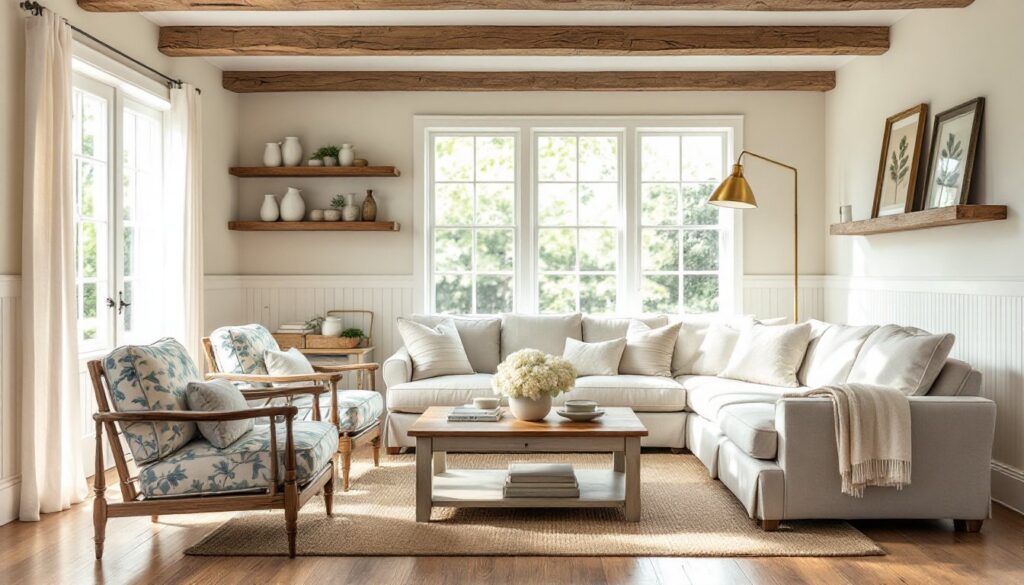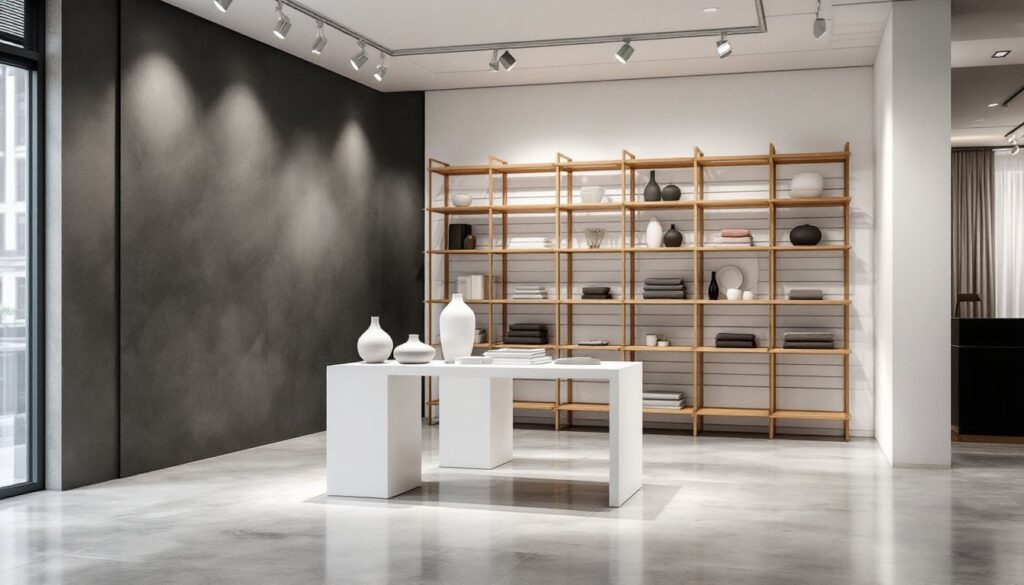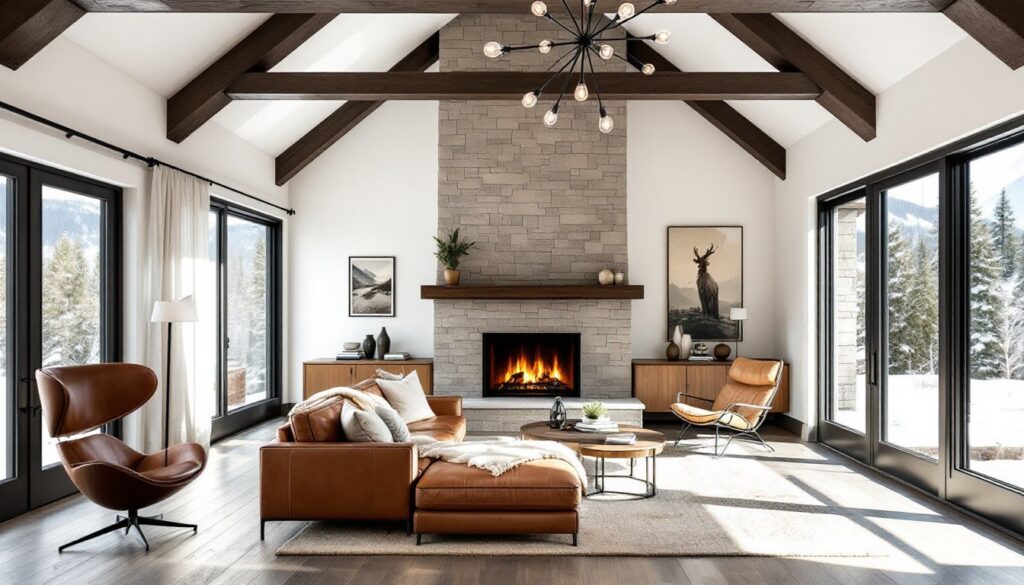

Classic French interior design isn’t about throwing a few fleur-de-lis pillows on your couch and calling it Versailles. It’s a refined approach rooted in centuries of architectural evolution, blending ornate craftsmanship with restrained elegance. Whether you’re renovating a historic home or updating a modern space, French design principles offer a roadmap to creating rooms that feel both luxurious and livable. This guide breaks down the essential elements, from crown moldings to color palettes, and shows how DIY enthusiasts can bring these techniques into their own homes without hiring a decorator or gutting their budget.
Table of Contents
ToggleKey Takeaways
- Classic French interior design balances ornate craftsmanship with restraint, rooted in historical architectural traditions that emphasize quality materials and purposeful ornamentation over showroom perfection.
- Architectural moldings—including crown molding, wainscoting, and panel details—are the foundation of French interiors and can be achieved affordably using high-quality MDF or polyurethane alternatives.
- A refined color palette of soft, muted tones like warm whites, creams, soft grays, and French blue creates the calm backdrop essential to classic French design, allowing architectural details and furniture to take center stage.
- Luxurious layered textiles such as silk draperies, velvet upholstery, and traditional patterns like toile and damask add depth and comfort without requiring museum-quality antiques or expensive custom fabrics.
- French furniture arrangement prioritizes symmetry and lower, wider proportions, and mixing vintage finds with new pieces over time creates authentic depth and prevents a space from feeling overly staged or formal.
- DIY success comes from prioritizing high-impact projects like paint, trim installation, and hardware upgrades while gradually layering furniture and textiles—French interiors develop intentionally rather than all at once.
What Defines Classic French Interior Design?
At its core, classic French interior design marries architectural grandeur with comfortable, everyday living. Unlike minimalist styles that strip rooms down to essentials, French design embraces ornamentation, but always with purpose and proportion.
The style evolved through the reigns of Louis XIV, XV, and XVI, each adding their own flourishes. Louis XIV favored bold symmetry and gilded everything. Louis XV softened the edges with curves and pastoral motifs. Louis XVI pulled back toward neoclassical restraint. What survived across all three periods? A commitment to quality materials, expert craftsmanship, and rooms designed for both display and comfort.
Key characteristics include architectural millwork (crown molding, wainscoting, panel molding), symmetrical furniture arrangements, and a mix of formal and casual elements. A French room might feature a crystal chandelier above a worn farmhouse table, that contrast is intentional. The design philosophy celebrates patina and lived-in beauty rather than showroom perfection.
One thing to note: authentic French interiors often require structural changes or skilled carpentry. Installing raised-panel wainscoting or coffered ceilings isn’t a weekend project. If you’re working in a rental or a home without existing millwork, focus on furniture, textiles, and paint treatments that capture the spirit without tearing into walls.
Essential Elements of French Classic Style
French design relies on a handful of signature elements that work together to create its distinctive look. These aren’t optional extras, they’re the foundation.
Ornate Architectural Details and Moldings
Crown molding, baseboard trim, and panel molding define French interiors more than any piece of furniture. Historically, these were hand-carved and installed by master craftsmen. Today, high-quality MDF or polyurethane moldings offer convincing alternatives at a fraction of the cost.
When selecting crown molding, look for profiles that include multiple stepped layers, simple cove molding won’t read as French. A 4- to 6-inch crown with dentil details or egg-and-dart patterns works well in rooms with 9-foot ceilings. For taller spaces, go wider.
Wainscoting and raised-panel walls add vertical interest. You can DIY this using 1×4 or 1×6 poplar boards framed into rectangles, then attached with construction adhesive and brad nails. Paint everything, including the wall behind, in a cohesive color. White, cream, or soft gray are traditional choices.
One safety note: if you’re routing profiles or cutting trim on a miter saw, always wear safety goggles and ear protection. A miter saw gives cleaner angle cuts than a circular saw, especially for inside and outside corners.
Don’t skip the prep work. Wall surfaces must be smooth and primed before installing trim, or every gap and nail hole will show. Fill nail holes with lightweight spackling compound, sand smooth, and touch up with paint.
Luxurious Fabrics and Textiles
French interiors layer textiles like a well-dressed table. Think silk taffeta draperies, linen slipcovers, velvet upholstery, and damask or toile patterns.
For window treatments, floor-to-ceiling panels in silk or faux silk add drama without blocking light. Hang them on decorative rods with finials (brass, wrought iron, or gilded wood). If sewing isn’t your thing, many fabric stores offer hemming services, or you can use iron-on hem tape for a no-sew option.
Upholstery doesn’t have to mean reupholstering an entire sofa. Start with toss pillows in contrasting textures, velvet, linen, striped ticking, and layer a linen or cotton slipcover over an existing piece. Slipcovers are forgiving for DIYers and washable, which matters if you actually live in the space.
Traditional French patterns include toile de Jouy (pastoral scenes printed on cotton or linen), damask (woven florals), and stripes. Mix scales: pair a large damask with a narrow ticking stripe. The interplay feels considered but not overly coordinated, which aligns with the modern classic approach to layering traditional and contemporary elements.
Color Palettes That Capture French Elegance
French color palettes favor soft, muted tones over bold primaries. The goal is to create a calm backdrop that lets architectural details and furniture take center stage.
Whites and creams dominate. But not stark white, think warm, complex neutrals with undertones of gray, beige, or pink. Benjamin Moore’s White Dove or Sherwin-Williams’ Alabaster are popular choices. Test samples on all four walls: natural light shifts how these colors read throughout the day.
Soft grays, pale blues, and muted greens work as accent colors. French blue, a dusty, grayish blue, appears on cabinetry, upholstery, and painted furniture. Sage green and taupe add warmth without overwhelming a space.
Gold and brass accents provide contrast. Gilded picture frames, brass curtain rods, and antique bronze hardware catch light and add visual weight. Don’t overdo it, one or two metallic elements per room is enough.
Paint finishes matter. Walls typically get a matte or eggshell finish to minimize imperfections and create a soft, chalky look. Trim and moldings can take a satin or semi-gloss for subtle contrast and easier cleaning. If you’re painting wainscoting or trim, use a high-quality acrylic latex enamel that resists yellowing and holds up to cleaning.
One practical tip: French interiors often feature painted wood floors plus to walls. If you’re working with existing hardwood in rough shape, consider a painted finish in white, gray, or soft blue. Prep is critical, sand to bare wood, prime with a bonding primer, apply two coats of porch and floor paint, and finish with a water-based polyurethane in satin or matte. This isn’t a quick project, but it transforms a space.
Furniture Styles and Arrangement Tips
French furniture balances ornate carving with comfortable proportions. Louis XV and Louis XVI styles are the most recognizable, featuring cabriole legs, carved floral motifs, and upholstered seats.
You don’t need museum-quality antiques. Reproductions and vintage finds work just as well. Look for pieces with curved lines, turned or fluted legs, and painted or distressed finishes. A bergère chair (upholstered armchair with exposed wood frame) is a French staple that works in living rooms, bedrooms, or entryways.
Arrangement follows symmetry. Flank a fireplace with matching chairs. Center a dining table under a chandelier. Place nightstands on either side of a bed. This doesn’t mean everything must match, just that the layout feels balanced.
Scale matters more than you think. French furniture tends to be lower and wider than contemporary pieces. A low-slung settee or tufted bench at the foot of a bed feels more authentic than a tall, chunky ottoman.
Mixing old and new keeps the style from feeling like a museum. Pair a gilt mirror with a clean-lined console. Combine a velvet tufted sofa with a rustic farm table. The French don’t furnish a room all at once, they layer pieces over time, which creates depth and character.
If you’re sourcing furniture, estate sales, antique markets, and online marketplaces often turn up solid wood pieces with good bones. A chair with damaged upholstery but a strong frame is a DIY win, reupholstering a seat cushion or seat back is manageable for intermediates. Use a staple gun, batting, and your fabric of choice. Remove old fabric, add a layer of 1-inch foam if the padding is worn, wrap with batting, then pull fabric taut and staple from the center outward on each side.
How to Bring Classic French Design Into Your Home
Translating French design into a DIY project means prioritizing what you can realistically tackle and where to invest.
Start with paint and trim. Installing crown molding and painting walls in soft neutrals delivers immediate impact. If crown molding feels too advanced, add picture rail molding at 7 to 8 feet, it’s a single horizontal run, easier to install, and historically accurate.
Upgrade hardware and fixtures. Swap builder-grade doorknobs and cabinet pulls for antique brass or brushed nickel options with traditional detailing. Replace a ceiling-mount light fixture with a small chandelier or lantern-style pendant. These swaps don’t require permits and take an hour or two.
Layer textiles. Add linen curtains, velvet pillows, and a vintage rug. Visit fabric stores for remnants or end-of-bolt deals, French design doesn’t demand pristine matching sets. A slightly faded toile or mismatched linen adds character, much like well-loved elements in Scandinavian interiors prioritize natural materials and lived-in comfort.
Focus on one room. A bedroom or dining room is easier to control than an open-plan living area. Install wainscoting, paint the walls and trim in coordinating neutrals, hang a chandelier, and furnish with a mix of painted wood and upholstered pieces. That single room becomes a proof of concept.
Seek out vintage lighting. Chandeliers, sconces, and table lamps define French interiors. Rewiring a vintage fixture isn’t difficult if you’re comfortable with basic electrical work, but if you’re unsure, hire a licensed electrician. Many jurisdictions require permits for new electrical runs or ceiling box replacements. Check local codes before cutting into walls or ceilings.
Design experts at Elle Decor emphasize the importance of mixing high and low, old and new, to avoid a overly staged look. That principle applies to DIY projects, invest in quality where it shows (trim, paint, key furniture), and save on accessories and textiles you can swap out later.
Finally, don’t rush. French interiors develop over time. Start with structural updates like molding and paint, add furniture as you find pieces, and layer textiles and accessories gradually. The style rewards patience and attention to detail, much like any solid carpentry or finish work. Publications such as Architectural Digest and resources from MyDomaine regularly feature French-inspired spaces that demonstrate this layered, collected approach.
If you’re working within a budget, prioritize projects that add architectural value, molding, built-ins, or painted finishes, over trendy decor. Those elements stay with the home and increase its appeal, whether you’re living in it for decades or prepping to sell.