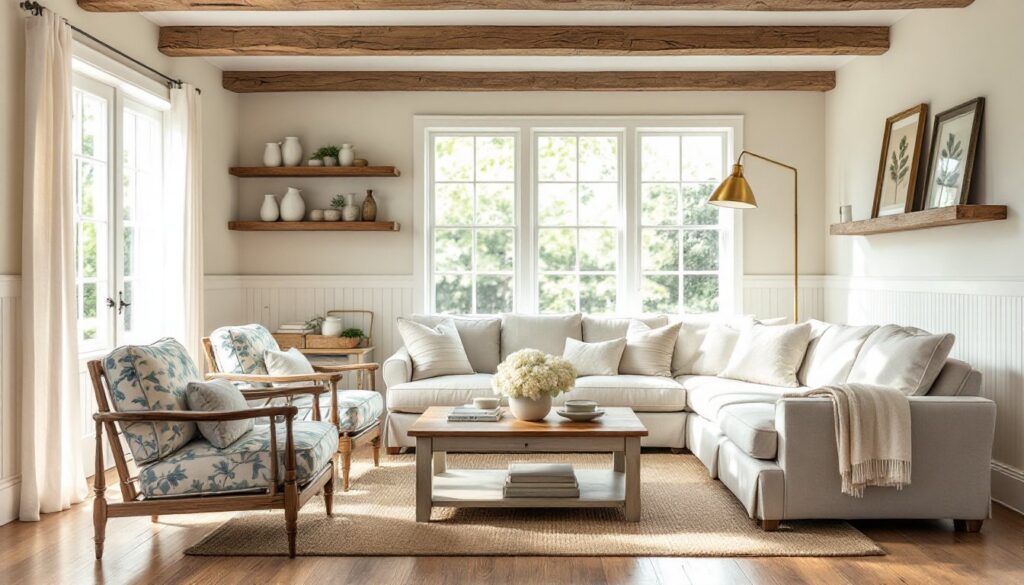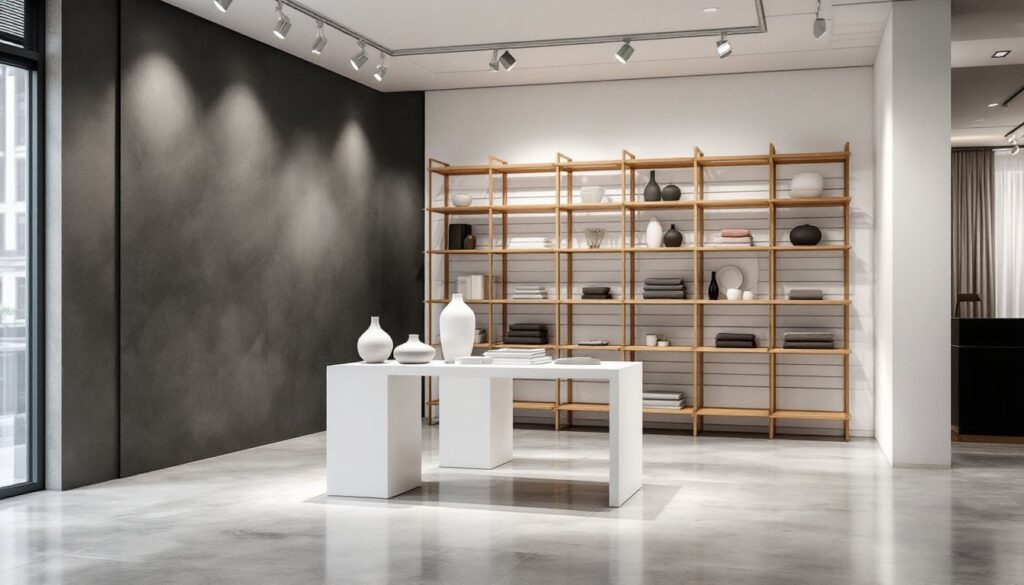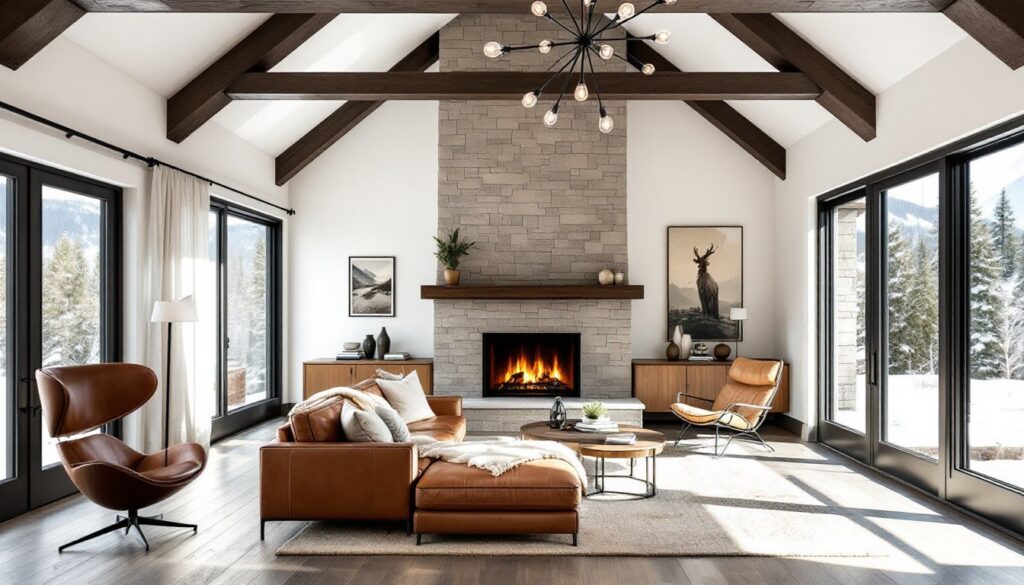

Dark wood flooring brings instant sophistication to any space, but it’s not just about looks, it’s a design anchor that influences every other choice you make in a room. From wall colors to lighting fixtures, these rich-toned floors create a foundation that can elevate a basic space into something genuinely striking. Whether you’re planning a full renovation or simply reconsidering your existing dark floors, understanding how to work with them (rather than against them) makes all the difference. This guide walks through practical design choices that maximize the impact of dark wood flooring while avoiding common pitfalls.
Table of Contents
ToggleKey Takeaways
- Dark wood floor interior design creates a sophisticated foundation that influences every design choice in a room, from wall colors to lighting and furniture pairings.
- Dark wood floors hide scratches and daily wear better than lighter finishes while offering exceptional versatility for both modern and traditional interiors, though they require strategic lighting planning to prevent spaces from feeling dark.
- Choose dark wood species based on traffic levels: walnut for low to medium-traffic areas, oak for durability in high-traffic homes, and Brazilian cherry for extreme hardness and natural darkening over time.
- Pair dark floors with high-contrast wall colors (crisp whites or soft grays) and light to medium wood furniture tones to create dimension, while using jewel-tone accents to add vibrant pops of color.
- Compensate for light absorption by using layered ambient lighting from multiple sources, task lighting in functional areas, and accent uplighting that bounces off textured walls to highlight the floor’s grain.
- Dark wood flooring requires proper humidity control (30-50% relative humidity) and acclimation before installation, with luxury vinyl plank offering a cost-effective alternative that provides waterproof durability.
Why Dark Wood Floors Are a Timeless Choice for Modern Homes
Dark wood flooring has maintained its popularity for decades because it solves several design problems at once. The deep tones, ranging from espresso walnut to ebony oak, hide minor scratches and daily wear far better than lighter finishes. A small scuff that would stand out on blonde maple virtually disappears on dark Brazilian cherry.
From a practical standpoint, dark floors offer exceptional versatility. They work equally well in modern classic interiors and contemporary minimalist spaces. The rich base allows for bold contrasts or subtle tonal layering, depending on your design goals.
One consideration: dark floors absorb light rather than reflect it, which affects room brightness. This isn’t a flaw, it’s a characteristic to plan around. Homes with ample natural light can handle the darkest finishes without feeling cave-like. In spaces with limited windows, choosing a dark wood with subtle grain variation (rather than solid black-brown) maintains visual interest without overwhelming the space.
Durability matters, too. Quality dark hardwoods like hickory, oak, or walnut with polyurethane or hard-wax oil finishes can last 25-40 years with proper maintenance. Engineered dark wood flooring offers similar aesthetics with better moisture resistance, making it suitable for basements or areas where solid hardwood might cup or buckle.
Best Room-by-Room Applications for Dark Wood Flooring
Living Rooms and Open Spaces
Dark wood excels in high-traffic living areas where it anchors furniture groupings and defines zones in open-concept layouts. In a combined living-dining space, continuous dark flooring creates visual flow while area rugs differentiate functional zones.
For living rooms with dark floors, scale matters. Large sectionals in neutral tones (cream, gray, taupe) balance the visual weight without competing. Accent chairs in jewel tones or rich leather add contrast without making the space feel bottom-heavy. Many interior design resources showcase how dark floors work particularly well with mid-century modern furniture, where clean lines and elevated pieces prevent the room from feeling grounded.
One trade-specific detail: if you’re installing over a concrete slab, use a 6-mil polyethylene vapor barrier beneath dark engineered flooring to prevent moisture transmission that shows more readily on dark finishes.
Bedrooms and Private Retreats
Bedrooms benefit from dark wood’s inherent warmth and sound-dampening qualities (compared to tile or laminate). The cocoon effect works especially well in western-inspired designs where rich wood tones complement leather, wrought iron, and natural textiles.
In master bedrooms, dark floors provide a neutral backdrop for evolving bedding styles. You can switch from crisp white linens to deep navy or burgundy without redecorating the entire space. The floors stay constant while the room adapts.
For kids’ rooms, dark floors are surprisingly practical. Spills, marker scuffs, and general chaos show less than on lighter wood. Skip the high-gloss finishes here, a matte or satin polyurethane (rated for medium traffic) hides imperfections better and reduces slip risk on stairs or play areas.
One caution: bedrooms in basements need engineered wood or luxury vinyl planks in dark finishes rather than solid hardwood. Even with proper vapor barriers, below-grade moisture can eventually damage solid wood installations.
Color Palettes and Furniture Pairings That Complement Dark Floors
Dark wood floors give you more color flexibility than you’d expect, but the key is contrast. Going too dark everywhere creates a cave: going too light everywhere creates disconnect.
High-contrast palettes work exceptionally well: crisp whites, soft grays, and pale neutrals on walls make dark floors pop. Benjamin Moore’s Simply White or Sherwin-Williams’ Agreeable Gray are solid choices that maintain warmth without competing. These pairings appear frequently in contemporary design showcases, particularly in Scandinavian-influenced spaces.
For furniture, light to medium wood tones (oak, ash, light walnut) create dimension without clashing. A blonde oak dining table over dark walnut floors provides visual separation while maintaining the wood-on-wood continuity. Avoid matching wood tones exactly, a dark floor with identically dark furniture tends to blur together.
Jewel tones and saturated colors gain intensity against dark floors. Emerald green velvet, navy linen, or burnt orange leather all read more vibrant when grounded by rich flooring. This is where understanding basic design principles pays off, you’re using the floor as a neutral base, not a competing color element.
Metal finishes matter too. Brass, bronze, and warm metallics harmonize with the amber undertones in most dark woods. Chrome and nickel work but can feel stark, fine for industrial or ultra-modern spaces, less ideal for traditional settings.
Area rugs deserve special attention. Light-colored rugs in natural fibers (jute, sisal, light wool) provide textural contrast. Patterned rugs should include at least one shade that echoes the floor tone to create cohesion. A 9×12 rug should leave 12-18 inches of exposed floor around the perimeter to frame the space properly.
Lighting Strategies to Enhance Dark Wood Flooring
Dark floors absorb roughly 15-30% more light than pale woods, so your lighting plan needs to compensate. This isn’t about flooding the space with harsh overhead light, it’s about strategic layering.
Ambient lighting should come from multiple sources rather than a single ceiling fixture. Recessed LED cans on dimmer switches (4-inch or 6-inch housings, depending on ceiling height) provide flexible base lighting. For an 8-foot ceiling, space cans about 4 feet apart: for 10-foot ceilings, go 5-6 feet. This prevents dark corners where the floor tone makes shadowy areas more pronounced.
Task lighting in functional areas (reading nooks, desks, kitchen counters) keeps activities well-lit without over-lighting the entire room. Swing-arm sconces or directional track lighting focus illumination where needed.
Accent lighting is where dark floors really shine. Uplighting on textured walls creates reflected light that bounces down onto the floor, adding dimension. Floor lamps with open bottoms cast light downward, creating subtle glowing pools on dark wood that highlight the grain.
Natural light amplification matters too. Skip heavy drapes in favor of sheer panels or light-filtering shades. South-facing windows provide consistent natural light that brings out the warmth in dark walnut or cherry. North-facing rooms may need cooler artificial light (4000K-5000K) to compensate for limited sun exposure.
Light color temperature affects how dark wood reads. Warm white bulbs (2700K-3000K) enhance reddish undertones in cherry or mahogany. Neutral white (3500K-4000K) works better with cool-toned dark floors like ebonized oak.
One professional tip: install lighting controls near entryways. Being able to adjust brightness as daylight changes prevents that dungeon effect on overcast days while maintaining ambiance in evenings.
Choosing the Right Dark Wood Species and Finishes
Not all dark wood floors are created equal. Species selection affects durability, grain pattern, and how the floor ages over time.
Walnut offers rich chocolate tones with natural color variation from board to board. It’s moderately hard (1010 Janka rating) but softer than oak, so it’s better suited for low- to medium-traffic areas. Walnut mellows slightly over time, developing a warm patina.
Oak stained dark provides extreme durability (1290-1360 Janka for red or white oak) and takes stain predictably. The prominent grain shows through dark finishes, adding texture. It’s the workhorse option for high-traffic homes.
Brazilian cherry (Jatoba) rates 2350 on the Janka scale, nearly twice as hard as oak. It darkens naturally over time from salmon-brown to deep reddish-brown, even without stain. Expect color shift from UV exposure, which can be dramatic in sun-drenched rooms.
Maple stained dark creates a smooth, contemporary look with minimal grain. At 1450 Janka, it’s durable but can show blonde streaks if stain application isn’t perfectly even. Best left to professional installation if you want uniform color.
Hickory (1820 Janka) provides extreme hardness with dramatic grain variation. Dark-stained hickory has a rustic, lived-in character that works well in farmhouse or modern Tudor aesthetics.
For finishes, site-applied polyurethane (water-based or oil-modified) offers maximum protection. Water-based polys dry clear and won’t amber, while oil-modified versions add warmth but require longer cure times (up to 30 days for full hardness). Plan for 3-4 coats.
Factory-finished engineered wood comes with aluminum oxide or ceramic-enhanced topcoats that are harder than most site-applied finishes. The trade-off: you can’t sand and refinish as many times. Engineered products typically allow 1-2 refinishes versus 4-7 for solid ¾-inch hardwood.
Hard-wax oils (like Rubio Monocoat or Osmo) penetrate the wood rather than sitting on top. They’re easier to spot-repair but require more frequent maintenance (reapplication every 1-3 years depending on traffic). The matte finish reduces glare and feels more natural underfoot.
Whatever you choose, acclimate the flooring to your home’s humidity for 5-7 days before installation. Dark finishes make expansion gaps and cupping more visually obvious, so maintaining 30-50% relative humidity year-round matters.
If you’re drawn to the look but concerned about cost, luxury vinyl plank (LVP) in dark wood patterns offers waterproof durability and easier installation. Quality LVP rates 6-7 mm thickness with attached underlayment and can handle moisture that would ruin real wood. It won’t fool a hardwood purist up close, but from standing height in well-designed living spaces, the visual difference is minimal.
Dark wood floors aren’t a trend that’ll look dated in five years, they’re a long-term investment that adapts as your design preferences evolve. With thoughtful pairing, proper lighting, and the right species for your home’s conditions, they provide a grounding element that makes every other design choice easier.