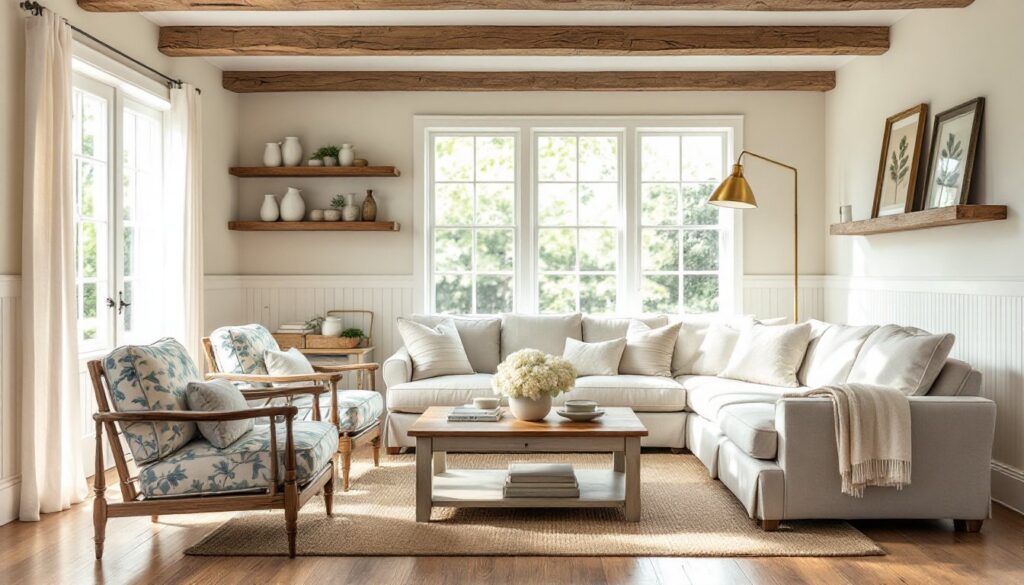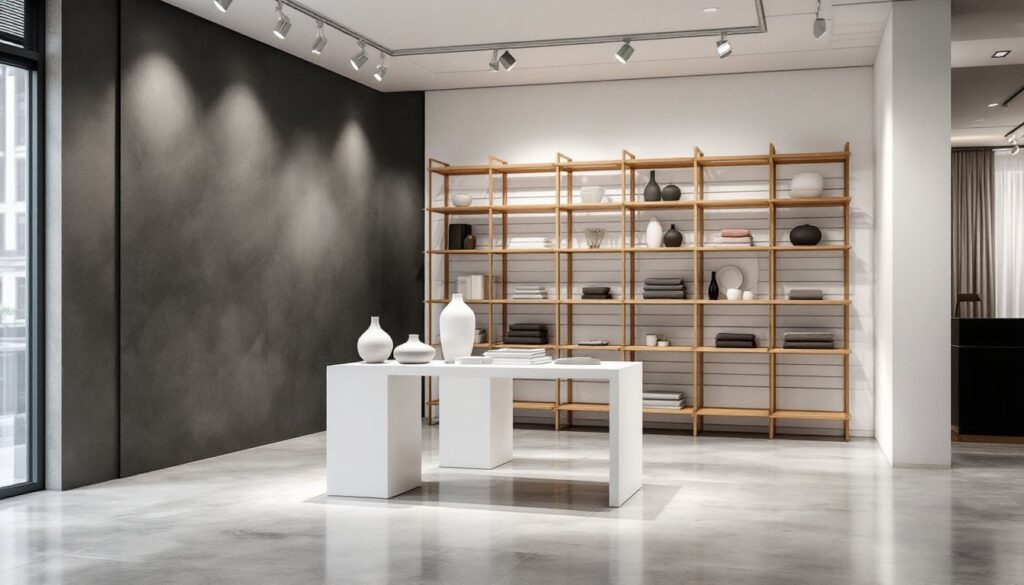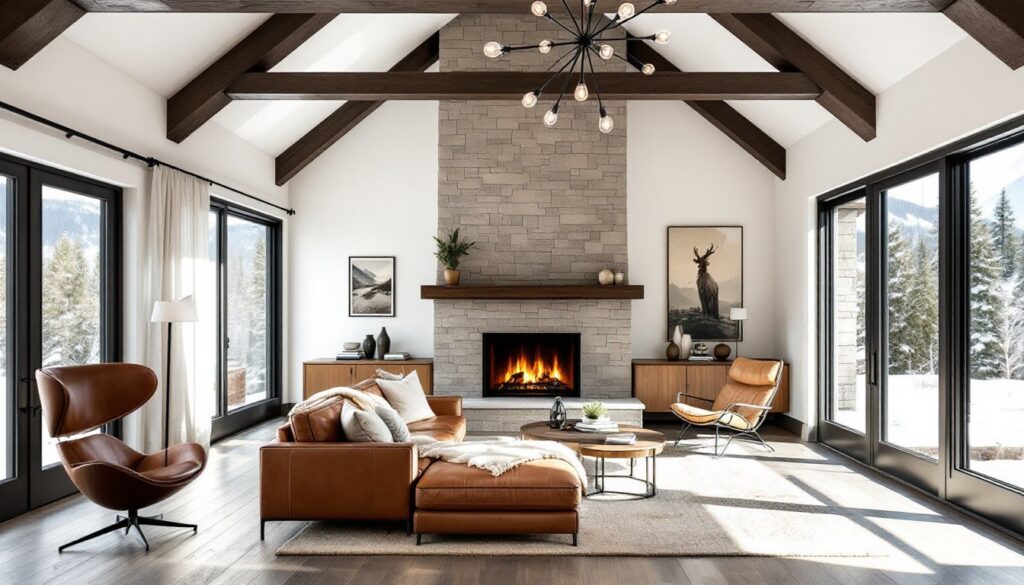

French modern interior design strips away the ornate excess of traditional French interiors while keeping the refined bones. It’s what happens when Parisian sophistication meets contemporary minimalism, clean lines, quality materials, and a neutral palette that doesn’t scream for attention. This style works whether you’re renovating a historic row house or updating a suburban build, because it focuses on proportion, natural light, and a few well-chosen pieces rather than filling every corner. If you’ve ever wondered how to get that effortlessly elegant look without hiring a decorator or shipping antiques from Provence, this guide breaks down the elements, the execution, and the common pitfalls to avoid.
Table of Contents
ToggleKey Takeaways
- French modern interior design blends refined Parisian sophistication with contemporary minimalism, keeping classical proportions while eliminating heavy ornate details and clutter.
- Establish a neutral foundation with soft whites, warm grays, and natural wood tones like light oak, then add visual interest through quality materials like linen and wool rather than bold colors or patterns.
- Invest in substantial furniture with clean lines and exposed wood legs, wide-plank hardwood flooring, properly proportioned trim and molding (5+ inches), and layered lighting with dimmers for ambient and task lighting.
- Avoid common mistakes including over-decorating surfaces, mixing multiple wood tones, ignoring room scale, skipping surface prep, and relying solely on overhead lighting to maintain the refined aesthetic.
- French modern works in any home by prioritizing quality over quantity, letting negative space breathe, and choosing timeless elements like subway tile and white oak that won’t feel dated in 10 years.
What Is French Modern Interior Design?
French modern interior design blends classical French architecture and furnishings with contemporary simplicity. Think Haussmann-era moldings paired with a streamlined linen sofa, or herringbone oak floors anchoring a room with minimal furniture. The style honors traditional craftsmanship, plaster walls, limestone fireplaces, hand-forged ironwork, while editing out the heavy drapery, gilded frames, and baroque clutter.
Unlike French country (which leans rustic with distressed wood and toile fabric), French modern keeps surfaces refined and lines clean. It’s also distinct from pure minimalism: there’s warmth here, often through natural materials like oak, linen, and wool rather than cold concrete and steel. The color palette stays mostly neutral, whites, creams, grays, soft taupes, with occasional black accents for contrast.
This approach has gained traction in 2026 as homeowners look for styles that feel both timeless and livable. It doesn’t require sourcing rare antiques or committing to a single era. Instead, it’s about proportion, quality, and restraint, principles that translate well whether you’re working with 10-foot ceilings or standard 8-foot drywall.
Key Elements of French Modern Style
Color Palettes That Define French Modern Interiors
Neutral dominance is non-negotiable. Start with a base of soft white or warm gray on walls, Benjamin Moore’s White Dove or Sherwin-Williams Repose Gray are common choices. Trim and moldings can stay the same color for a seamless look, or go one shade lighter for subtle definition.
Accent with black or charcoal through window frames, light fixtures, or cabinetry hardware. Wrought iron or matte black finishes add visual weight without breaking the calm. Avoid high-gloss black: it reads too modern and disrupts the balance.
Natural wood tones, especially light to medium oak, bring warmth. If you’re refinishing floors, skip dark stains: French modern favors blonde or natural oak in wide planks (5 to 7 inches). For new installs, engineered white oak in a matte or natural oil finish holds up better than solid in fluctuating climates and delivers the same look.
Textiles introduce subtle color. Linen in oatmeal, ivory, or soft gray works for upholstery, curtains, and bedding. If you want a hint of color, stick to muted earth tones, terracotta, sage, dusty blue, and keep it to pillows or a single accent chair. Bold patterns disrupt the aesthetic: modern classic interiors sometimes layer pattern more freely, but French modern keeps it restrained.
Furniture and Decor Essentials
Furniture should look substantial but not bulky. Low-profile sofas and chairs with exposed wood legs (tapered or turned) suit the style better than overstuffed sectionals. Upholstery in linen or linen-cotton blends wears better than pure cotton and develops a lived-in texture. Down-wrapped cushions are traditional but require regular fluffing: high-resilience foam cores wrapped in fiber batting offer a similar look with less maintenance.
Dining tables in solid oak or walnut with simple trestle or pedestal bases anchor the room. Avoid glass tops and chrome: they’re too sleek. Pair with upholstered dining chairs in neutral fabric or cane-back chairs for texture. If you’re buying vintage or reproduction French chairs, check that joints are doweled or mortise-and-tenon: stapled frames won’t hold up.
Architectural details matter as much as furniture. Crown molding, baseboards at least 5 inches tall, and panel molding (also called picture frame molding) add dimension to flat drywall. Installing these yourself is doable with a miter saw, finish nailer, and caulk, but get corners tight, gaps show on painted trim. Use MDF or primed pine for paint-grade molding: it’s stable and less prone to grain telegraphing than raw pine.
Lighting should feel intentional. Chandeliers in aged brass, black iron, or natural linen shades work over dining tables. Sconces flanking a fireplace or bathroom mirror add symmetry. Avoid builder-grade recessed cans as the only light source: French modern uses them sparingly, preferring task and ambient fixtures with visible design. According to design sources like Dwell, layered lighting has become a core tenet of contemporary interiors that still honor traditional proportions.
Mirrors and art should be understated. A large leaning mirror with a simple wood or iron frame opens up small rooms and reflects natural light. For wall art, go minimal, one or two pieces per room, either framed line drawings, black-and-white photography, or abstract work in muted tones. Skip gallery walls and busy prints.
How to Achieve French Modern Design in Your Home
Start with the walls and floors, because surface finishes set the tone. If you’re painting, use low-VOC or zero-VOC interior latex in a matte or eggshell finish. Matte hides imperfections but marks easily: eggshell wipes clean and still looks flat under most light. Two coats over a quality primer (Zinsser 123 or Kilz 2) will cover builder beige without bleed-through.
For flooring, wide-plank hardwood in white oak or European oak is ideal. Solid hardwood (3/4-inch thick) can be sanded and refinished multiple times, but it needs acclimation, let it sit in the room for at least 72 hours before install to adjust to humidity. Engineered hardwood (1/2-inch total thickness with a 3mm wear layer) installs faster via click-lock or glue-down and handles basements better than solid. Finish with a matte or satin polyurethane or a natural oil like Rubio Monocoat for a low-sheen, touchable surface.
If hardwood isn’t in the budget, luxury vinyl plank (LVP) in a realistic wood grain works for kitchens and high-traffic areas. Look for products with a 20-mil wear layer and a low-gloss finish. Skip anything that looks glossy or plastic.
Next, address trim and molding. Standard builder baseboards (2 to 3 inches) look skimpy in French modern spaces. Replace with 5- to 7-inch baseboards and add crown molding at the ceiling. For a true French look, install panel molding on walls, 1×3 or 1×4 boards arranged in rectangles, nailed and caulked, then painted the same color as the walls. This adds depth without competing for attention. Use a laser level to lay out the grid: uneven panels are immediately obvious.
Furniture and decor come last. Resist the urge to fill every corner. French modern interiors breathe. A living room might have a sofa, two armchairs, a coffee table, and a single console, no side tables, no floor lamps flanking every seat. Let negative space do its job.
When selecting upholstery, natural fibers beat synthetics. Linen wrinkles, but that’s part of the appeal. For families with kids or pets, linen-cotton blends (60/40 or 55/45) or performance fabrics like Crypton or Sunbrella in solid neutrals hold up without looking sterile. Avoid microfiber: it pills and reads cheap under natural light.
Window treatments should be simple. Floor-length linen curtains on a matte black or brass rod, hung just below the ceiling to maximize height. If privacy isn’t a concern, skip curtains entirely and let the architecture speak. For bedrooms and bathrooms, consider cellular shades in white or cream for light control: they’re functional and invisible when raised.
Kitchens and baths deserve special attention. In kitchens, flat-front or Shaker-style cabinetry in white, cream, or light gray aligns with French modern simplicity. Pair with marble or quartz countertops in white or soft gray with minimal veining. Calacatta and Carrara marble are classic but etch easily: if you cook with acidic ingredients (lemon, tomato, vinegar), quartz like Caesarstone in Frosty Carrina or Silestone in Eternal Calacatta Gold mimics marble without the maintenance. Backsplashes in white subway tile (3×6 or 4×6) with a brick or stacked bond pattern stay timeless: grout in light gray (Mapei Warm Gray or Pewter) hides stains better than pure white.
For bath vanities, skip vessel sinks and waterfall faucets. Undermount sinks in white porcelain with wall-mounted or single-handle faucets in matte black or brushed nickel keep it clean. Freestanding tubs in white acrylic or cast iron suit the style if space allows. Install them on 12×24 or larger-format tile in white or light gray to minimize grout lines. Radiant floor heating (electric mats under tile, about $10–$15 per square foot installed) adds comfort without visible radiators.
Lighting your space correctly matters as much as the fixtures themselves. Dimmer switches on every circuit let you adjust mood: install Lutron Diva or Caseta dimmers (compatible with LED bulbs) and set bulbs to 2700K for warm white. Cooler temps (3000K and up) feel clinical. Use ambient, task, and accent layers: recessed cans for general light, pendants or sconces for task areas, and picture lights or uplighting for accent.
Finally, bring in greenery. A single fiddle-leaf fig, olive tree, or monstera in a simple terracotta or concrete pot adds life without clutter. For ideas on balancing natural elements with refined design, resources like MyDomaine offer room-by-room styling guides that align with this aesthetic.
Common Mistakes to Avoid
Over-decorating is the fastest way to lose the French modern look. If a surface feels too empty, leave it. A mantel doesn’t need a lineup of candles, vases, and frames: a single piece of art or a small sculptural object is enough. Coffee tables should hold a book or tray, not a dozen accessories.
Mixing too many wood tones creates visual noise. Pick one primary wood, white oak, walnut, or teak, and stick with it across floors, furniture, and accents. If you inherit mismatched pieces, painting or staining can unify them. Use gel stain for surface color changes or strip and refinish if the grain matters.
Ignoring scale and proportion makes rooms feel awkward. Furniture should relate to ceiling height and room size. A sectional sofa that works in a 20×20 great room will overwhelm a 12×14 living room. Measure before buying, and sketch layouts on graph paper or use a tool like SketchUp to visualize.
Skipping surface prep before painting or installing molding leads to poor results. Fill nail holes and cracks with lightweight spackle, sand smooth (120-grit), prime, then paint. On new molding, caulk all seams, corners, wall joints, nail holes, then paint. Gaps and rough edges break the refined look.
Choosing trendy over timeless defeats the purpose of French modern. Subway tile and white oak have staying power: geometric accent walls and open shelving trends fade. If you’re unsure, ask whether the choice would look dated in 10 years. This principle also applies when exploring styles like modern tudor interiors, where blending eras requires restraint.
Relying only on overhead lighting flattens rooms. Add table lamps, floor lamps, or sconces to create pools of light and shadow. Install dimmers to control intensity. Poor lighting can make even a well-designed room feel cold.
Forgetting texture in favor of a monochrome palette results in sterile spaces. Layer linen, wool, jute, and natural wood. A wool area rug, linen throw, and oak coffee table in the same neutral palette add depth without color. For broader interior design principles, texture often compensates for a limited color range.
Attempting structural changes without permits can create liability and resale issues. Removing walls, adding windows, or altering load-bearing elements requires a permit in most jurisdictions and often an engineer’s stamp. Non-structural work, painting, trim, flooring, cabinetry, typically doesn’t. Check with your local building department before starting demo. If you’re updating a rental or short-term rental property, confirm lease terms and code requirements before investing in permanent changes.
Conclusion
French modern interior design doesn’t require a château or a design degree. It’s about editing, choosing quality over quantity, and letting architecture and materials do the talking. Start with neutral walls and quality flooring, add restrained trim and molding, then furnish sparingly with natural fibers and simple forms. Skip the trends, avoid clutter, and trust that empty space has value. Done right, the result feels both timeless and livable, a home that works as well as it looks.