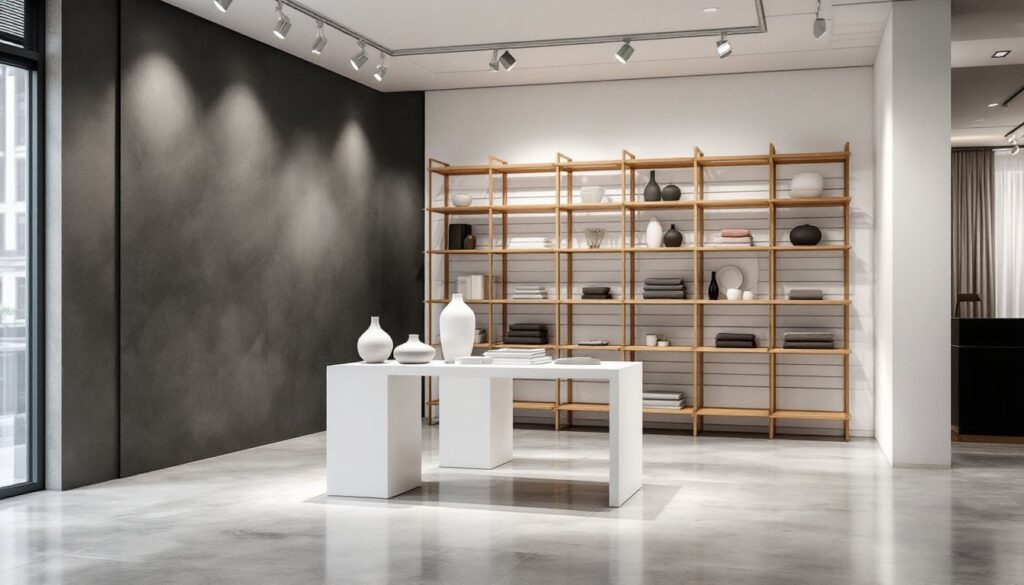

Starting an interior design business isn’t the same as having a good eye for color or knowing how to arrange furniture. It’s a professional service that combines creative skills with business acumen, project management, and client relationship building. For homeowners who’ve tackled their own spaces and discovered a talent for design, transitioning to a full-fledged business means understanding the legal requirements, building a portfolio, and marketing your services effectively. This roadmap walks through the essential steps to launch an interior design business in 2026, from defining your niche to landing your first paying clients.
Table of Contents
ToggleKey Takeaways
- An interior design business requires professional credentials, liability insurance, and regulatory compliance—not just design talent—to operate as a legitimate service provider.
- Defining a specific niche, such as kitchen remodels or modern classic interiors, strengthens your market positioning and allows you to build deeper vendor relationships.
- Build your initial portfolio by redesigning your own home, offering discounted services to friends and family, or creating professional 3D renderings to showcase your design capabilities.
- Legal setup should include registering your business as an LLC or sole proprietorship, obtaining an EIN, opening a business bank account, and securing general liability and professional liability insurance.
- Reach homeowner clients through a professional website optimized for search engines, Instagram and Pinterest for visual inspiration, Google My Business listings, and referral partnerships with real estate agents and contractors.
- Choosing a pricing model—whether hourly rates, flat fees, cost-plus markup, or retainers—requires researching local market rates to avoid underpricing your interior design services.
What Makes an Interior Design Business Different from DIY Design
Designing your own home and running an interior design business are two entirely different pursuits. When someone redesigns their living room, they can change their mind, work at their own pace, and live with mistakes. Professional designers, but, work under contracts, timelines, and client expectations.
An interior design business operates as a service provider, which means managing client budgets, coordinating with contractors and vendors, sourcing materials, and ensuring the final result meets both aesthetic and functional requirements. Designers often navigate building codes, ADA compliance for commercial projects, and fire safety regulations, things that never cross a homeowner’s mind when picking paint colors.
Liability is another major difference. If a designer specifies the wrong window treatment hardware and it fails, they’re responsible. If a DIYer does the same in their own home, it’s a learning experience. Professional designers carry general liability insurance and sometimes errors and omissions coverage to protect against project failures or client disputes.
Finally, professional designers must stay current on industry trends, product availability, and supplier relationships. They’re expected to know the difference between commercial-grade upholstery and residential fabrics, understand lead times for custom millwork, and have vetted sources for everything from tile to trim.
Essential Skills and Qualifications You Need
Interior design as a profession requires both creative and technical skills. While formal education isn’t always mandatory, it significantly improves credibility and competency. Many states regulate the use of the title “interior designer,” requiring practitioners to hold a degree from a Council for Interior Design Accreditation (CIDA) accredited program and pass the National Council for Interior Design Qualification (NCIDQ) exam.
Even where licensing isn’t required, clients expect designers to understand spatial planning, lighting design, color theory, and material specifications. Knowing how to read architectural drawings, create floor plans, and produce elevations using software like AutoCAD, SketchUp, or Chief Architect separates hobbyists from professionals.
Beyond technical skills, successful designers need strong project management abilities. They juggle multiple clients, coordinate deliveries, manage installation schedules, and troubleshoot issues when a custom sofa arrives in the wrong fabric. Communication skills are equally critical, designers must translate client preferences into actionable plans and negotiate with vendors to meet budgets.
Financial literacy matters too. Designers need to estimate project costs, track expenses, invoice clients, and manage cash flow. Understanding markup vs. commission models, retainer agreements, and how to structure design fees prevents costly business mistakes down the line.
Creating Your Business Plan and Defining Your Niche
A business plan forces clarity on what the design business will actually do. Not every designer serves every client. Some specialize in residential remodels, others focus on commercial spaces, and still others carve out niches in Airbnb rental properties or sustainable design.
Defining a niche helps with marketing and positioning. A designer who focuses exclusively on kitchen and bath remodels can develop deeper vendor relationships with cabinet makers and tile suppliers than a generalist. Similarly, someone specializing in modern classic interiors can build a portfolio that attracts clients seeking that specific aesthetic.
The business plan should outline startup costs, projected revenue, pricing structure, and marketing strategy. Startup costs vary widely but typically include business registration fees, insurance, website development, design software subscriptions, sample libraries, and initial marketing expenses. Designers working from home keep overhead low, while those renting studio space face higher fixed costs.
Pricing models in interior design include hourly rates, flat fees per project, cost-plus (charging retail for products and keeping the difference between wholesale and retail), and retainer agreements. Many designers combine models, charging an hourly design fee plus a markup on furnishings and materials. Researching competitors’ pricing and understanding local market rates prevents underpricing or pricing out of the market entirely.
Setting Up the Legal and Financial Foundation
Before taking on clients, the business needs a legal structure. Most interior designers operate as a sole proprietorship, LLC (Limited Liability Company), or S-corporation. An LLC provides personal liability protection, meaning if a client sues the business, personal assets like a home or car are generally shielded.
Registering the business name, obtaining an Employer Identification Number (EIN) from the IRS, and opening a business bank account separates personal and business finances. This separation simplifies bookkeeping and is essential come tax time.
Insurance is non-negotiable. General liability insurance covers property damage and bodily injury claims. For example, if a designer’s sample library tips over and injures a client, general liability covers medical costs. Professional liability insurance (errors and omissions) protects against claims of negligence, like specifying the wrong materials that cause project delays.
Depending on the state and scope of services, designers may need a business license and potentially an interior design license. States like California, Florida, and Louisiana regulate interior design, requiring licensure for certain types of work. Check local regulations before advertising services.
Setting up accounting systems early prevents headaches later. Software like QuickBooks or FreshBooks tracks income, expenses, invoices, and taxes. Designers should also establish vendor accounts with suppliers to access trade pricing, most require proof of business registration and a tax ID.
Building Your Portfolio Without Prior Clients
The classic catch-22: clients want to see past work, but landing clients requires a portfolio. New designers solve this by treating their own home as the first project. Documenting a bedroom refresh, kitchen update, or living room redesign with professional photography creates portfolio content.
Another approach is offering services to friends or family at a steep discount or for the cost of materials only, in exchange for permission to photograph and use the project in marketing. Be upfront that this is a portfolio-building arrangement and set clear expectations about scope and timeline.
Some designers create concept boards and 3D renderings for hypothetical spaces using tools like SketchUp, Photoshop, or Canva. While not as compelling as completed projects, well-executed renderings demonstrate design skills and vision. Platforms like MyDomaine and Elle Decor showcase high-quality design work that can inspire portfolio presentation styles.
Volunteering design services for community organizations, nonprofits, or local businesses also builds experience and portfolio content. A waiting room redesign for a pediatric clinic or a refresh of a community center’s lobby provides real-world problem-solving opportunities.
Once projects are photographed, a professional portfolio website is essential. Include before-and-after shots, detail images, and brief descriptions of the project scope, challenges, and solutions. Avoid stock photos or uncredited work, authenticity builds trust.
Marketing Your Interior Design Services to Homeowners
Marketing an interior design business to homeowners requires visibility in the right places. A well-designed website with an integrated blog covering design fundamentals and project showcases helps with search engine visibility. Including clear service descriptions, pricing guidance, and a contact form makes it easy for potential clients to reach out.
Social media, particularly Instagram and Pinterest, are critical for designers. Homeowners browsing Pinterest for design ideas often discover designers whose aesthetic aligns with their vision. Posting progress shots, before-and-afters, and design tips builds an audience and establishes expertise. Consistency matters more than perfection, posting two to three times per week keeps the business visible.
Google My Business listings help local clients find designers through search and maps. Claiming and optimizing this free listing with photos, service descriptions, and client reviews improves local SEO. Encourage satisfied clients to leave reviews, as these significantly influence potential clients’ hiring decisions.
Networking with real estate agents, contractors, and home stagers creates referral opportunities. Agents working with buyers often recommend designers for move-in updates, while contractors may refer clients seeking design guidance for remodels. Attending local business networking events or joining a chamber of commerce builds these relationships.
Paid advertising, whether through Google Ads or Facebook/Instagram ads, can jumpstart client acquisition. Targeting homeowners in specific ZIP codes with recent home purchases or those interested in home improvement topics increases ad relevance. Start with a modest budget and track which ads convert to consultations.
Conclusion
Launching an interior design business requires more than design talent, it demands business planning, legal setup, portfolio development, and strategic marketing. By understanding the difference between professional design services and DIY projects, acquiring the necessary skills, defining a clear niche, and building credibility through early projects, aspiring designers can establish a sustainable business. Success comes from treating design as both a craft and a business, balancing creativity with the practical realities of client management and profitability.