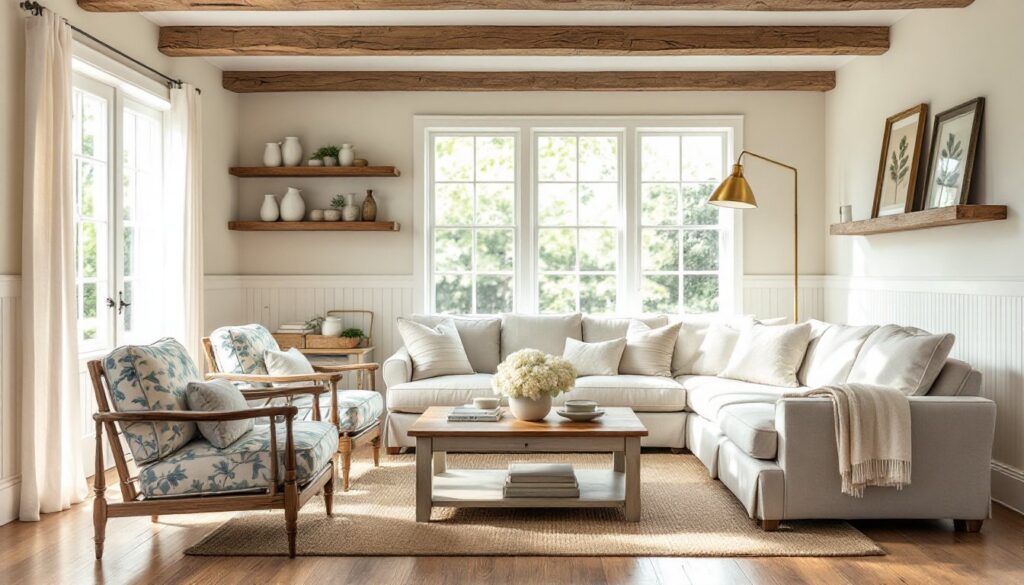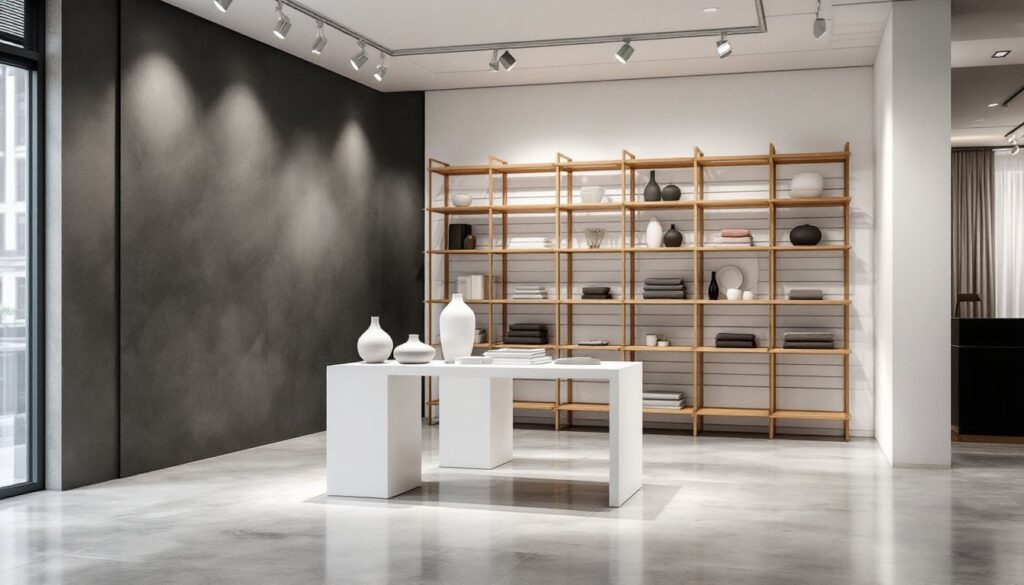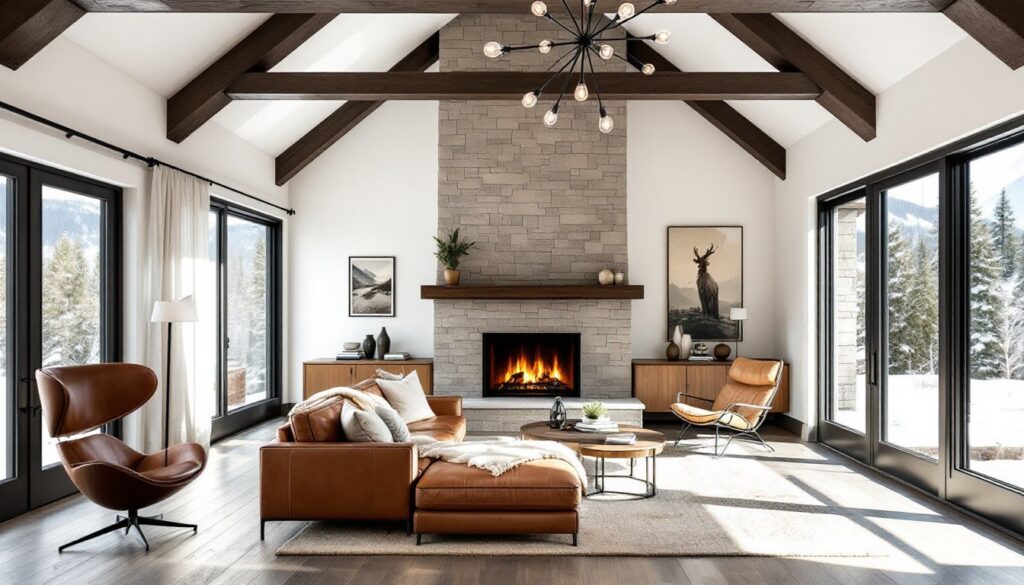

The interior design field is experiencing a surge in demand as homeowners invest in their spaces and commercial properties seek fresh, functional aesthetics. Whether someone’s pivoting from a related field or launching a design career from scratch, finding local opportunities requires knowing where to look and what employers actually need. This guide walks through the current landscape of interior design jobs, the types of positions available nearby, and the practical steps to land a role without spinning wheels on generic job boards.
Table of Contents
ToggleKey Takeaways
- Interior design jobs near you are growing due to increased home renovation spending, remote work reshaping residential spaces, and demand for credentialed designers across residential, hospitality, and commercial sectors.
- Target local design firms, architecture practices, home improvement retailers, and trade-specific job boards like ASID and IIDA rather than generic platforms to find interior design positions in your area.
- NCIDQ certification, CAD proficiency (AutoCAD or Revit), and a portfolio of 5-10 diverse projects—including before-and-after images and floor plans—are critical qualifications employers seek for interior design roles.
- Customize applications for each firm, showcase local market knowledge, build an active Instagram presence with location-based hashtags, and network at trade shows and professional association events to stand out in competitive local markets.
- Entry-level interior design jobs typically pay $35,000–$45,000, with higher earning potential through freelance work, while soft skills like communication and project management are equally valued as technical design expertise.
Why Interior Design Careers Are Thriving Right Now
The design industry is riding several converging trends. Remote work reshaped how people use residential space, home offices, multipurpose rooms, and improved layouts became priorities rather than afterthoughts. According to the Bureau of Labor Statistics, employment of interior designers is projected to grow 4% from 2022 to 2032, roughly in line with the average for all occupations but with localized spikes in metro areas experiencing construction booms.
Renovation spending hit record highs in recent years. Homeowners who deferred moves during tight housing markets opted to remodel instead, fueling demand for designers who can maximize existing square footage. Commercial sectors, hospitality, healthcare, and hybrid office environments, are also reinvesting in interiors to attract tenants and clients. Platforms like HomeAdvisor report sustained interest in design consultations bundled with remodeling projects.
Another factor: the professionalizing of design services. Clients expect CAD renderings, material sourcing, and project management, not just color swatches. This shift favors credentialed designers and creates openings for drafters, junior designers, and design assistants who can handle technical tasks. For someone entering the field, it’s a seller’s market if they bring the right mix of creative vision and practical skills.
Types of Interior Design Jobs Available Locally
Design roles vary widely in scope, client type, and day-to-day responsibilities. Understanding these distinctions helps target applications and tailor portfolios.
Residential Design Positions
Residential designers work directly with homeowners on everything from single-room refreshes to whole-house renovations. Common job titles include interior designer, design consultant, and kitchen and bath designer. These roles often involve site visits, client meetings, material selection, and coordination with contractors.
Many residential positions are at small studios or one-person firms. Job listings on ImproveNet and local design firms’ websites frequently seek designers who can manage projects independently from concept through installation. Expect to source furnishings, create mood boards, and sometimes handle procurement, ordering tile, coordinating deliveries, and tracking budgets.
Home staging is another growing niche. Stagers prepare properties for sale, using rented furniture and decor to appeal to buyers. It’s less about permanent design and more about market psychology, but it’s a foot in the door for newcomers. Pay is often project-based, and the work ebbs and flows with real estate cycles.
For those passionate about a particular style, specializing in modern classic interiors or other aesthetic niches can differentiate a designer in a crowded local market. Understanding design fundamentals remains critical no matter the specialty.
Commercial and Contract Design Roles
Commercial designers focus on non-residential spaces: offices, retail stores, restaurants, healthcare facilities, and hospitality venues. These jobs often sit within larger firms or architecture practices. Titles include contract designer, space planner, FF&E (furniture, fixtures, and equipment) coordinator, and junior designer.
Commercial work demands knowledge of building codes, ADA compliance, fire safety, and durability standards, furniture and finishes must withstand heavy use. Projects are typically larger in scale and budget but involve more stakeholders and longer timelines. Designers in this space use software like AutoCAD, Revit, and SketchUp daily.
Hospitality design is particularly active in tourist-heavy or convention markets. Hotels, resorts, and short-term rental properties need interiors that photograph well and stand up to turnover. Designers working on Airbnb interiors balance style with practical concerns like easy-clean surfaces and modular layouts.
Other commercial niches include healthcare design (clinics, senior living), retail design (storefronts, pop-ups), and workplace design (corporate offices, coworking spaces). Each requires sector-specific knowledge, but they all value designers who understand flow, ergonomics, and branding.
Where to Find Interior Design Jobs in Your Area
Generic job boards bury design roles under administrative listings. Targeted strategies yield better results.
Local design firms and studios are the first stop. Many don’t post openings publicly, they rely on portfolios dropped off in person or emailed directly. Research firms in the area via Google Maps, Instagram (many studios showcase work there), and local design awards or home tours. Send a brief email with a PDF portfolio link and a one-paragraph introduction. Don’t attach large files: they clog inboxes.
Architecture firms often hire interior designers for residential and commercial projects. Check firm websites under “careers” or “team,” and note if they list NCIDQ certification or CAD skills, that signals they want experienced designers, not interns.
Home improvement retailers like local showrooms, tile suppliers, and kitchen/bath specialty stores sometimes employ designers as in-house consultants. These roles blend sales and design, helping customers visualize products in their spaces. Pay may include commission, and it’s a steady gig while building a freelance portfolio.
Trade-specific job boards include ASID (American Society of Interior Designers) career center, IIDA (International Interior Design Association) job bank, and Archinect. Freelance marketplaces like Houzz Pro and Thumbtack let designers bid on local projects, though competition is stiff and clients may not have realistic budgets.
For a sense of what successful local designers offer, browsing profiles on platforms like Houzz shows the range of services and styles in demand.
Networking events matter more in design than almost any other field. Local AIA (American Institute of Architects) chapters, builder associations, and home shows connect designers with contractors, suppliers, and potential clients. Bring business cards and a phone or tablet loaded with portfolio images. Many home remodeling designers found their first clients at trade events, not online.
Don’t overlook LinkedIn. Set location filters, follow local firms, and engage with posts. Recruiters for larger commercial firms do search LinkedIn for candidates with specific software skills or certifications.
Essential Qualifications and Skills Employers Look For
Not all design jobs require a four-year degree, but credentials open doors.
Education: Many firms prefer candidates with a bachelor’s degree in interior design from a CIDA-accredited program (Council for Interior Design Accreditation). This ensures coursework in codes, lighting, materials, and design theory. Associate degrees or certificate programs can work for entry-level or residential roles, especially if paired with a strong portfolio.
NCIDQ certification (National Council for Interior Design Qualification) is the gold standard. It requires education, experience (usually 3,520 hours of work under a practicing designer), and passing a multi-part exam. Some states regulate interior design and require NCIDQ for certain project types. Even in unregulated states, commercial firms often prefer or require it.
Software proficiency is non-negotiable for most positions. Expect to use AutoCAD or Revit for drafting, SketchUp or 3ds Max for 3D modeling, and Adobe Creative Suite (Photoshop, InDesign, Illustrator) for presentations and renderings. Residential designers might get by with simpler tools like RoomSketcher or Chief Architect, but knowing CAD is a major advantage.
Portfolio quality trumps GPA. Include 5-10 projects showing range: residential and commercial if possible, before-and-after images, floor plans, elevations, material boards, and finished spaces. Photograph work well, dim, blurry phone shots kill credibility. If launching a career without built projects, create speculative designs for real spaces (a friend’s living room, a local cafe) and render them professionally.
Soft skills matter as much as technical ones. Designers juggle client expectations, contractor schedules, and budget constraints. Employers look for clear communicators who can present ideas, handle criticism, and adapt when a tile goes on backorder or a client changes their mind mid-project. Mention project management experience, even from unrelated fields, in cover letters.
Building code knowledge sets candidates apart. Understanding IRC (International Residential Code) basics, egress requirements, stair dimensions, fire-rated assemblies, and ADA (Americans with Disabilities Act) standards for commercial work shows readiness for real projects, not just Pinterest boards.
How to Stand Out When Applying for Local Design Positions
Local design markets are tight-knit. Reputation and presentation count.
Customize every application. Generic cover letters get trashed. Reference a specific project the firm completed, mention how their aesthetic aligns with your work, and note any mutual contacts (“I met Sarah at the Home Builders Expo…”). One tailored application beats twenty form letters.
Showcase local knowledge. Mention familiarity with regional suppliers, local building codes, or design trends in the area. If applying in a historic district, highlight experience with period-appropriate materials or renovation constraints. This signals readiness to hit the ground running.
Build an Instagram presence. Many small firms scout talent via Instagram. Post portfolio work, process shots, material samples, and behind-the-scenes content. Use local hashtags (#DallasInteriors, #ChicagoDesign) and tag suppliers and collaborators. Engagement matters more than follower count.
Offer to assist on a trial project. For firms hesitant to commit to a full hire, propose a paid trial on a small project, drafting a floor plan, sourcing materials, or creating a presentation deck. It proves capability and cultural fit.
Get testimonials. If someone’s done any design work, pro bono for family, freelance side gigs, staging, ask clients for brief written testimonials or Google reviews. Social proof matters, especially for residential clients browsing Pinterest for design inspiration or hiring decisions.
Stay current. Follow design publications (Interior Design Magazine, Architectural Digest, Dwell), attend webinars on new materials or sustainability trends, and join local ASID or IIDA chapters. Firms want designers who bring fresh ideas, not just execute orders.
Be realistic about entry-level pay. Junior designers and design assistants in small markets often start at $35,000-$45,000, sometimes less in high-competition areas. Freelance and commission-based roles offer higher upside but inconsistent income. Weigh stability needs against growth potential.
Finally, follow up without pestering. A polite email one week after applying, “Just checking if you need any additional materials from me”, shows professionalism. Twice is plenty. Designers respect persistence but hate desperation.