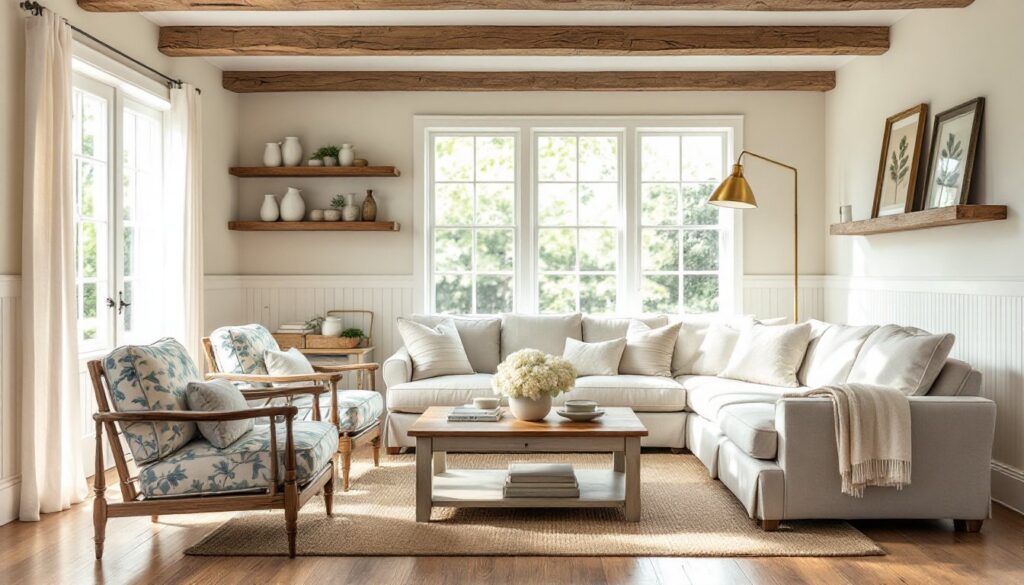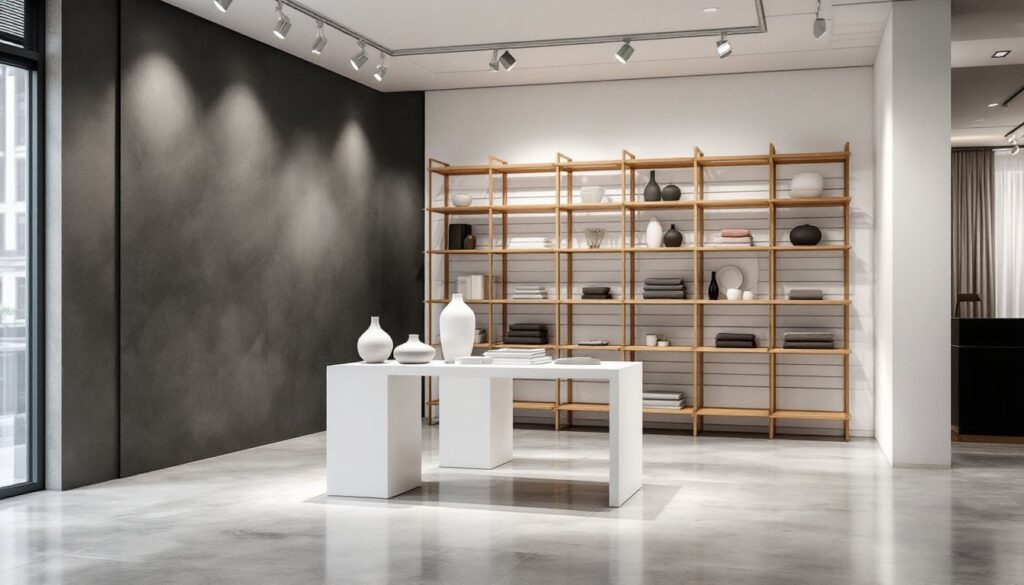

Hiring an <a href="https://hearthdreamfield.com/2000s-interior-design/”>interior designer isn’t just about picking paint colors and throwing a few throw pillows on the couch. Professional design services range from full-scale renovations to quick virtual consultations that fit any budget and timeline. Whether someone’s gutting a Victorian kitchen or just needs a second opinion on furniture placement, understanding what designers actually offer, and what they charge for, makes the difference between a smooth project and a money pit. This guide breaks down the main types of interior design services, what each includes, and how to match the right one to a specific project without overpaying or getting stuck halfway through.
Table of Contents
ToggleKey Takeaways
- Interior design services range from full-service renovations ($10,000–$100,000+) to budget-friendly virtual design ($75–$600 per room), each suited to different project scopes and timelines.
- Full-service interior design handles everything from space planning and contractor coordination to final styling, making it ideal for structural changes and whole-home renovations but unnecessary for single-room refreshes.
- Virtual design services offer a cost-effective alternative for cosmetic updates and furniture layouts, delivering floor plans and 3D renderings within 1–3 weeks without in-person designer visits.
- Specialty services like kitchen and bath design, lighting consultation, and color consulting provide expert solutions for niche projects and typically cost $1,500–$10,000 depending on complexity.
- Verify designer credentials (NCIDQ certification, NKBA certifications), review contracts carefully for scope and fees, and interview multiple designers to avoid scope creep and unexpected costs.
- Most interior design projects follow four phases—initial consultation, design development, procurement, and installation—with contingency budgets of 10–15% for change orders and unforeseen expenses.
What Are Interior Design Services?
Interior design services cover everything from space planning and material selection to project management and contractor coordination. Unlike decorators who focus mainly on aesthetics, licensed interior designers often handle structural changes, building code compliance, and technical drawings.
Most designers charge one of three ways: hourly rates ($50–$500 depending on experience and market), flat project fees, or a percentage of total project cost (typically 10–30%). Some tack on procurement fees, usually a markup on furniture and materials they source.
Services typically fall into a few categories: full-service design (concept through installation), online or virtual design (remote consultations and digital plans), and specialty services like kitchen design, color consulting, or historic restoration. Knowing which type fits a project’s scope and budget prevents scope creep and sticker shock down the road.
Full-Service Interior Design
Full-service design is the white-glove option. The designer handles everything: initial concept, space planning, selections (fixtures, finishes, furniture), contractor coordination, and final styling. This works best for whole-home renovations, new builds, or projects where structural changes are involved.
What’s included:
- Initial consultation and needs assessment
- Floor plans and elevation drawings (sometimes stamped by an architect if structural)
- Material and finish boards (tile, flooring, cabinetry, countertops)
- Furniture sourcing and procurement
- Contractor bid review and selection
- Project management through installation
- Final styling and accessory placement
Expect to invest serious time and money. Full-service projects often run $10,000–$100,000+ depending on scope, and timelines stretch from a few months to over a year. Designers may require a retainer upfront, often 25–50% of the estimated fee, and bill against it as work progresses.
This route makes sense when someone’s juggling permits, multiple trades (electricians, plumbers, carpenters), or doesn’t have bandwidth to vet contractors and chase down lead times on custom cabinetry. It’s overkill for a single-room refresh, but invaluable when a project involves moving walls, upgrading electrical to current NEC standards, or navigating historic district approvals.
Online and Virtual Interior Design Services
Virtual design exploded in the past few years, and it’s not just Zoom calls with a mood board. Many platforms offer full design packages remotely: floor plans, 3D renderings, shoppable furniture lists, and ongoing support, all without a designer setting foot in the house.
How it works:
- Homeowner submits room photos, measurements, and a questionnaire about style and budget.
- Designer creates a concept board and layout, usually delivered within 1–3 weeks.
- Client receives a digital design package: floor plan, product links, paint specs, and installation notes.
- Optional revisions (usually 1–2 rounds included).
Pricing runs $75–$600 per room, a fraction of traditional fees. Services like Havenly, Modsy, and Decorist fall into this category, though many independent designers now offer virtual-only packages.
Pros: Budget-friendly, fast turnaround, works anywhere. Cons: No hands-on measurements (clients must provide accurate dimensions), limited help with contractor coordination, and no in-person styling. This option shines for cosmetic updates, repainting, furniture layouts, selecting decor styles, but falls short when electrical, plumbing, or structural work enters the picture. If someone’s handy enough to execute the plan themselves or hire their own contractor, virtual design delivers serious value.
Specialty Interior Design Services
Specialty services zoom in on one aspect of design. These designers bring deep expertise in a niche, whether it’s kitchen and bath design, lighting design, color consultation, or sustainable/green design.
Kitchen and Bath Design
Certified Kitchen and Bath Designers (CKBD or CBD credentials from NKBA) focus exclusively on these high-stakes rooms. They understand appliance clearances, plumbing rough-ins, ventilation requirements, and ADA compliance. Expect them to produce detailed cabinetry plans, fixture schedules, and coordinate with contractors on tile layout and waterproofing.
Fees range $1,500–$10,000+ depending on scope. Worth it when dealing with custom cabinetry layouts or tricky structural issues like moving a load-bearing wall to open up a galley kitchen.
Lighting Design
Lighting designers create lighting plans that balance task, ambient, and accent lighting. They spec fixtures, calculate lumen output, and coordinate with electricians on wiring and controls. Particularly valuable in open-concept spaces, kitchens, and anywhere with high ceilings or complex layers.
Color Consultation
Color consultants do more than pick paint. They assess natural light, existing finishes, and undertones to build cohesive palettes. Hourly rates run $75–$200, often with a 2–3 hour minimum. A good consultant prevents the expensive mistake of repainting a whole house in the wrong greige.
Sustainable Design
Green designers prioritize low-VOC finishes, reclaimed materials, energy-efficient systems, and certifications like LEED or WELL. They source responsibly, reduce waste, and often collaborate with builders on envelope performance and HVAC efficiency. Costs vary, but the investment often pays back in lower utility bills and healthier indoor air quality.
How to Choose the Right Interior Design Service for Your Project
Matching service type to project scope prevents frustration and budget overruns. Start by honestly assessing three factors: budget, timeline, and DIY capability.
When to go full-service:
- Structural changes (removing walls, adding windows, reconfiguring layouts)
- Whole-home renovations or new construction
- Projects requiring permits and contractor coordination
- Limited time or desire to manage trades
When virtual design works:
- Cosmetic updates (paint, furniture, decor)
- Single-room refreshes
- Tight budget (under $5,000 for design fees)
- Comfortable taking measurements and executing plans independently
When to hire a specialist:
- Kitchen or bath remodel with custom cabinetry
- Complex lighting scenarios
- Sustainable building goals
- Historic restoration or period-specific design
Check credentials. Look for NCIDQ certification (National Council for Interior Design Qualification) for full-service designers, NKBA certifications for kitchen/bath specialists, or LC (Lighting Certified) for lighting designers. Browse portfolios on platforms like Houzz to see if their aesthetic and project types align.
Interview at least three designers. Ask about fee structure, typical timelines, how they handle change orders, and whether they carry liability insurance. Red flags: vague contracts, no insurance, pressure to commit immediately, or unwillingness to provide references.
What to Expect When Hiring an Interior Designer
The process varies by service type, but most follow a similar arc: discovery, design development, procurement, and installation.
Initial Consultation
Most designers offer a free or low-cost initial consult (30–60 minutes) to assess fit. Come prepared with inspiration images (not just Pinterest screenshots, think design fundamentals and actual room dimensions), budget range, and a list of must-haves versus nice-to-haves.
Design Agreement
A written contract should outline scope, deliverables, timeline, fee structure, payment schedule, and what happens if either party bails. Read it carefully. Ambiguous language around “design services” can lead to surprise bills for site visits or revisions.
Design Development
Designers present concepts, often mood boards, floor plans, and material samples. Full-service designers may provide CAD drawings or 3D renderings. Expect 1–3 rounds of revisions (more costs extra). This phase takes anywhere from 2 weeks (virtual) to 2+ months (full-service).
Procurement and Installation
Designers order furniture, fixtures, and finishes. Lead times vary wildly: stock items ship in days, but custom upholstery or tile can take 12–20 weeks. Designers typically add a procurement fee (10–30% markup) to cover their time coordinating orders, tracking shipments, and handling returns.
If working with contractors, the designer reviews bids, answers RFIs (requests for information), and conducts site visits to ensure work matches plans. For projects touching electrical or plumbing, expect inspections per local code.
Final Styling
Full-service packages usually include a final install day where the designer places furniture, hangs art, and styles surfaces. Virtual clients handle this themselves using the provided plan. Either way, budget for unforeseen expenses, plan on a 10–15% contingency for change orders, shipping delays, or that perfect vintage rug that shows up at an estate sale mid-project.
Conclusion
Interior design services aren’t one-size-fits-all. From full-service project management to budget-friendly virtual plans and niche specialties, the right fit depends on project scope, budget, and how much heavy lifting someone wants to tackle themselves. Do the assignments, vet credentials, read contracts, and be honest about capabilities, and the result is a space that works, looks good, and didn’t drain the bank account or sanity in the process.