
Interior landscape design isn’t just about plopping a potted plant on a shelf and calling it done. It’s the deliberate practice of integrating living greenery into your home’s architecture, layout, and daily function, creating spaces that breathe, quite literally. Whether you’re working with a sun-drenched living room or a dim hallway, the right plants in the right places can improve air quality, reduce stress, and anchor a room’s design as effectively as furniture. This guide walks through the practical side: plant selection, design principles, room-specific ideas, and maintenance routines that actually work for people who don’t have a greenhouse or a degree in horticulture.
Table of Contents
ToggleKey Takeaways
- Interior landscape design deliberately integrates plants into your home’s architecture and layout to improve air quality, reduce stress, and enhance aesthetics beyond simple decoration.
- Match plants to actual light conditions: succulents and cacti for high light, monstera and pothos for medium light, and snake or ZZ plants for low-light spaces to ensure success.
- Use odd-numbered groupings, height variation, and consistent container materials to create visually balanced interior landscapes that complement your existing design style.
- Overwatering is the leading cause of plant failure—check soil moisture before watering, ensure drainage holes in every pot, and use well-draining potting mix to prevent root rot.
- Choose low-maintenance species like snake plants, ZZ plants, and pothos if you travel frequently or have limited time, as these drought-tolerant options survive weeks without attention.
- Well-maintained plants signal care and attention to detail in your home, transforming spaces into living environments that support both physical health and psychological well-being.
What Is Interior Landscape Design?
Interior landscape design refers to the intentional integration of plants, planters, and greenery into indoor spaces to enhance aesthetics, air quality, and overall habitability. Unlike simply buying houseplants on impulse, it involves planning around light availability, humidity levels, root depth, and spatial flow.
Think of it as architectural planting. You’re not decorating around plants, you’re designing with them. That means considering scale (a fiddle-leaf fig demands vertical space), container materials (terracotta breathes, ceramic holds moisture), and placement relative to HVAC vents, windows, and foot traffic.
This isn’t structural work, so no permits are needed. But if you’re installing built-in planters, wall-mounted systems, or irrigation lines, you may need to waterproof surfaces and ensure proper drainage to avoid moisture damage to subfloors or drywall. Always test weight loads if mounting heavy planters on walls, standard drywall anchors won’t cut it for a 40-pound hanging planter. Use toggle bolts or locate studs for secure attachment.
Benefits of Bringing Interior Landscapes into Your Home
Beyond the obvious visual appeal, interior landscapes deliver measurable improvements to indoor environments.
Air Quality: According to NASA’s Clean Air Study, certain plants, like pothos, snake plants, and peace lilies, remove volatile organic compounds (VOCs) such as formaldehyde, benzene, and trichloroethylene. One plant per 100 square feet is a commonly cited baseline, though recent research on indoor air quality suggests you’d need dozens to match mechanical air filtration.
Humidity Regulation: Plants release moisture through transpiration, which can raise indoor humidity by 5–10%. That’s useful in winter when forced-air heating dries out homes, but watch for mold risk in poorly ventilated bathrooms or basements.
Acoustic Dampening: Larger plants with dense foliage absorb sound. A row of tall planters can reduce echo in open-plan spaces with hard flooring, helpful if you’ve got engineered hardwood or tile.
Psychological Benefits: Multiple studies link indoor greenery to reduced stress and improved focus. It’s not magic: it’s biophilia, the human preference for natural environments. If you’re working from home, a well-placed plant near your desk isn’t just decor: it’s functional.
Choosing the Right Plants for Your Indoor Landscape
Plant selection is where most DIYers either succeed or end up with a graveyard of crispy brown leaves. Match plants to actual light conditions, not wishful thinking.
High Light (South-Facing Windows, 6+ Hours Direct Sun): Succulents, cacti, croton, jade plants, some ficus varieties. These thrive with intensity.
Medium Light (East or West Windows, Bright Indirect): Monstera, pothos, philodendron, rubber plants, dracaena. The workhorses of interior landscapes.
Low Light (North Windows, Interior Rooms): Snake plants, ZZ plants, cast iron plant, pothos (yes, again, it’s nearly indestructible). These tolerate fluorescent office lighting.
Don’t forget humidity. Tropical plants (ferns, calathea, orchids) want 50–60% relative humidity. Most homes sit at 30–40% in winter. A humidifier or pebble tray solves this: misting does almost nothing.
Check toxicity if you have pets or kids. Pothos, philodendron, and dieffenbachia are toxic if ingested. Spider plants, Boston ferns, and areca palms are safe.
Low-Maintenance Options for Busy Homeowners
If you travel frequently or forget to water, stick with drought-tolerant species.
- Snake Plant (Sansevieria): Tolerates neglect, low light, irregular watering. Nearly impossible to kill unless overwatered.
- ZZ Plant (Zamioculcas zamiifolia): Thick rhizomes store water. Survives weeks without attention.
- Pothos (Epipremnum aureum): Grows in water or soil, tolerates low light, signals when thirsty (leaves droop).
- Cast Iron Plant (Aspidistra elatior): Named for a reason. Handles low light, temperature swings, and inconsistent care.
- Succulents (Echeveria, Sedum, Aloe): Water every 2–3 weeks. Needs bright light but minimal fuss otherwise.
Use well-draining potting mix (not garden soil) and pots with drainage holes. Overwatering kills more houseplants than underwatering. When in doubt, wait another day.
Design Principles for Creating Stunning Interior Landscapes
Good interior landscape design borrows from both horticulture and spatial composition. Here’s what works.
Scale and Proportion: A 6-foot fiddle-leaf fig anchors a living room corner: a 4-inch succulent gets lost on a mantel. Use height variation, tall floor plants (dracaena, bird of paradise), mid-height tabletop plants (monstera, snake plant), and trailing plants (pothos, string of pearls) on shelves.
Grouping: Odd numbers (3, 5, 7) look more natural than pairs. Cluster plants with similar water and light needs, makes maintenance easier and creates visual density.
Container Consistency: You don’t need matching pots, but a unifying element, material, color, or finish, keeps things cohesive. Terracotta, matte black ceramic, or natural fiber baskets all work. Avoid mixing glossy ceramics with rustic baskets unless you’re going for eclectic design layering.
Layering: Place plants at different depths. A tall plant in the back corner, a medium one mid-room, a trailing one on a shelf, creates dimension instead of a flat lineup.
Negative Space: Don’t fill every surface. Plants need breathing room. Overcrowding makes a space feel cluttered, not lush.
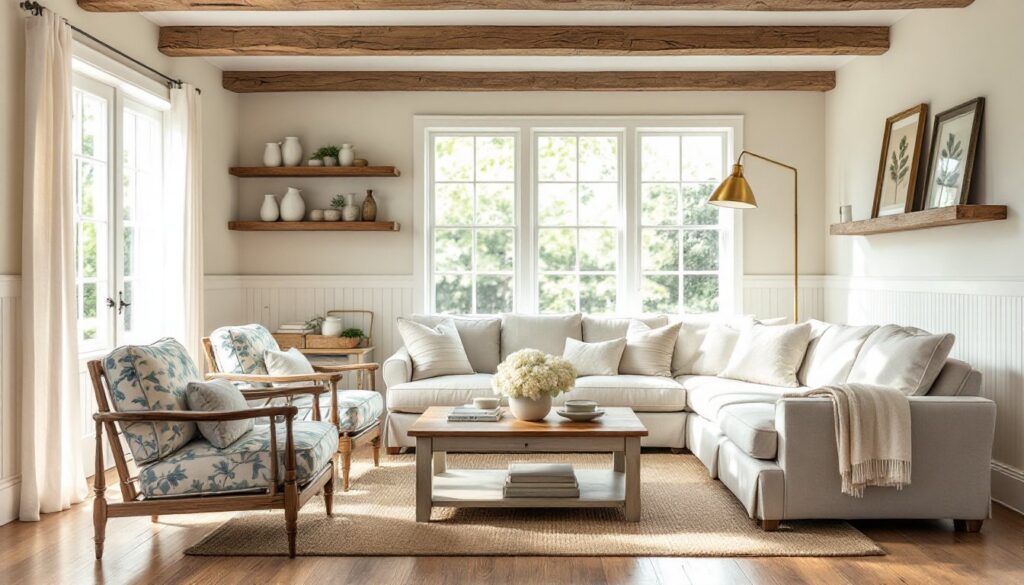
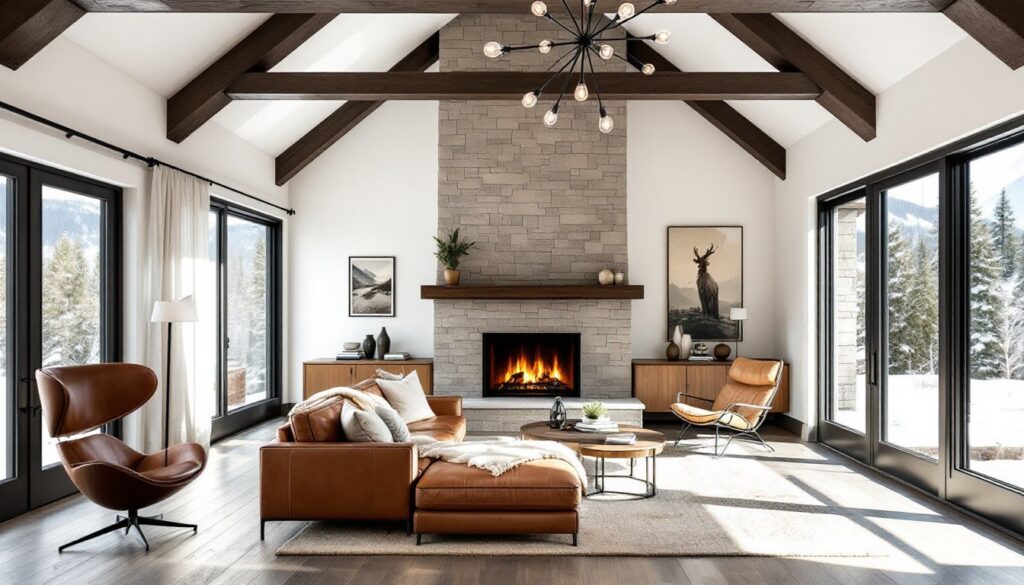
Integration with Existing Design: If your home leans rustic, use galvanized metal or reclaimed wood planters. For modern spaces, stick with clean-lined ceramics or concrete. Plants should enhance the style, not fight it.
DIY Interior Landscape Ideas for Every Room
Living Room: A large floor plant (fiddle-leaf fig, rubber plant, or bird of paradise) fills vertical space and softens hard corners. Add a trailing pothos on a bookshelf or mantel. If you have a coffee table, a low succulent arrangement in a shallow tray works without blocking sightlines.
Kitchen: Herbs on a south-facing windowsill (basil, thyme, rosemary) serve double duty. Use stainless steel or ceramic pots that match your hardware. Avoid plants near the stove, heat and grease buildup will stress them.
Bathroom: High humidity suits ferns, pothos, and orchids. A hanging planter over the tub or a small pot on the vanity works if there’s a window. Low-light bathrooms? Go with a snake plant or ZZ plant.
Bedroom: Snake plants release oxygen at night (most plants don’t), making them a solid bedside choice. Keep it simple, one or two plants max. You’re sleeping here, not running a nursery.
Home Office: A desk plant improves focus. Pothos or a small succulent fits without crowding workspace. If you have shelving behind you on video calls, use it for a monstera or philodendron, adds depth to your background.
Entryway: A statement plant (tall dracaena or fiddle-leaf fig) makes an impression. Entryways often lack natural light, so choose accordingly or add a grow light on a timer.
For vertical interest, try a DIY wall-mounted planter grid: use 1×4 pine boards to build a simple frame, attach small pots with hose clamps, and secure the frame to wall studs. Line the back with plastic sheeting to protect the wall from moisture.
Maintenance Tips to Keep Your Indoor Plants Thriving
Most plant failures come from inconsistent watering, poor drainage, or ignoring light requirements. Here’s how to avoid that.
Watering: Stick your finger 1–2 inches into the soil. Dry? Water until it drains from the bottom. Still moist? Wait. Overwatering causes root rot, which is usually fatal. Use room-temperature water, cold tap water shocks roots.
Drainage: Every pot needs a drainage hole. If you love a decorative pot without one, use it as a cachepot, place the nursery pot inside, water, let it drain, then return it. Never let roots sit in standing water.
Light: Rotate plants every few weeks so all sides get exposure. If leaves lean toward the window, they’re not getting enough light from other angles. Supplement with a full-spectrum LED grow light (10–12 hours daily) if natural light is insufficient.
Fertilizing: Use a balanced liquid fertilizer (10-10-10 or 20-20-20) diluted to half-strength every 4–6 weeks during the growing season (spring and summer). Don’t fertilize in winter, most houseplants go dormant.
Dusting: Wipe leaves with a damp cloth monthly. Dust blocks light absorption. For plants with lots of small leaves, a lukewarm shower works.
Pest Management: Inspect regularly for spider mites, aphids, and mealybugs. Treat with insecticidal soap or neem oil. Isolate infected plants to prevent spread. Wear gloves when handling neem oil, it’s an irritant.
Repotting: When roots circle the pot or grow through drainage holes, it’s time. Go up one pot size (2 inches larger in diameter). Use fresh potting mix. Spring is ideal for repotting.
Pruning: Trim dead or yellowing leaves at the base with clean pruning shears. Remove leggy growth to encourage bushier growth. Wipe blades with rubbing alcohol between plants to avoid spreading disease.
If you’re serious about interior design principles, remember that plant health is part of the aesthetic. A thriving monstera beats a half-dead fiddle-leaf fig every time. Many designers who focus on trend-driven spaces emphasize that greenery only enhances a room when it looks intentional and well-maintained. Even in guest-focused interiors, fresh plants signal care and attention to detail.
Interior landscape design isn’t a weekend project you finish and forget. It’s an ongoing relationship with living material. But if you match plants to conditions, water with intention, and give them the light they need, you’ll end up with spaces that feel more alive, literally. No fluff, no fuss. Just greenery that works.