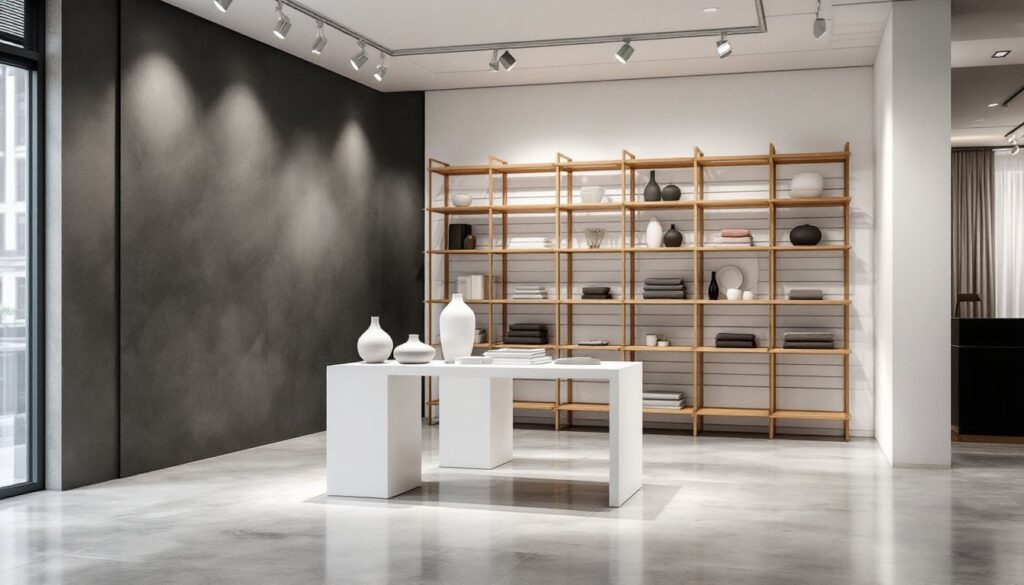

Luxury minimalism strips away the clutter and leaves behind only what matters, perfectly chosen materials, impeccable craftsmanship, and a sense of calm that’s almost architectural. It’s not about sterile white boxes or skipping furniture to save money. This approach demands more, not less: better joinery, richer textures, and pieces built to last decades instead of seasons. The result is a home that feels both expansive and grounded, where every surface and object earns its place. Whether renovating a single room or planning a whole-house makeover, luxury minimalism rewards patience, precision, and a willingness to invest in quality over quantity.
Table of Contents
ToggleKey Takeaways
- Luxury minimalist interior design prioritizes quality materials, expert craftsmanship, and intentional curation over quantity, creating calm, refined spaces that feel both expansive and grounded.
- Natural stone, solid hardwood, handcrafted metalwork, and architectural-grade hardware define luxury minimalism, replacing budget alternatives with materials that last decades rather than seasons.
- Negative space and architectural harmony are foundational—leave walls strategically bare, maintain consistent trim profiles, and layer ambient, task, and accent lighting on dimmers for visual calm and mood control.
- Invest in statement pieces like eight-way hand-tied sofas, wide-plank flooring, and solid-core doors; a single high-quality rug or custom millwork outperforms dozens of synthetic or mass-produced alternatives.
- Color palettes should feature warm whites, soft grays, and organic accent colors (charcoal, navy, terracotta) introduced through textiles rather than high-chroma hues that disrupt the minimalist aesthetic.
- Each room demands functional discipline: kitchens use slab-front cabinets with minimal backsplashes, bedrooms limit furniture to essentials, and bathrooms achieve luxury through large-format tile and floating vanities—proper surface prep and licensed professionals for structural work ensure flawless execution.
What Is Luxury Minimalist Interior Design?
Luxury minimalism combines the restraint of minimalist design with the tactile richness and craftsmanship of high-end interiors. It’s not about deprivation or asceticism, it’s about intentional curation. Every element, from the baseboards to the lighting fixtures, is selected for both function and beauty.
Unlike budget minimalism, which often relies on flat-pack furniture and builder-grade finishes, luxury minimalism leans into natural stone, solid hardwood, handcrafted metalwork, and architectural-grade hardware. The palette stays quiet, but the materials do the talking. Think honed marble countertops, wide-plank white oak flooring, or custom millwork with invisible joinery.
This style also demands rigorous spatial planning. Rooms need breathing room, furniture layouts should allow for clear sightlines and movement without feeling sparse. Lighting becomes sculptural: instead of overhead fixtures cluttering the ceiling plane, designers often use recessed cans, linear LED strips concealed in cove details, or statement pendants positioned with surgical precision.
The philosophy extends to storage. Luxury minimalist homes hide utilities behind flush-mount panels, integrate appliances into cabinetry, and use full-height doors with concealed hinges. If it doesn’t contribute to the visual calm, it gets tucked away.
Core Principles of Luxury Minimalism
The foundation of luxury minimalism rests on a few non-negotiables: restraint in quantity, excellence in execution, and respect for negative space.
Negative space, the empty area around and between objects, isn’t wasted square footage. It’s what allows the eye to rest and the mind to settle. In practical terms, this means resisting the urge to fill every wall with art or every corner with a plant. Leave walls bare where they frame a view or emphasize ceiling height.
Another principle: architectural harmony. Trim profiles, door casings, and window frames should share a common language. If you’re working with Craftsman-style baseboards elsewhere in the home, luxury minimalism might mean simplifying them to a clean, square-edged profile in paint-grade poplar or MDF, then finishing with multiple coats of satin or semi-gloss for a furniture-like surface.
Lighting layers are essential. Combine ambient (recessed ceiling fixtures), task (under-cabinet LED strips in kitchens, swing-arm sconces in bedrooms), and accent lighting (picture lights, toe-kick LEDs). Dimmers on every circuit give you control over mood without adding visual noise.
Quality Over Quantity: Investing in Statement Pieces
A single handwoven wool rug in a neutral tone will outlast and outperform a dozen synthetic ones. The same goes for seating: a well-built sofa with an eight-way hand-tied spring system and hardwood frame (maple, oak, or ash) justifies its cost over years of daily use. Luxury minimalism often involves buying less, but buying better, and that applies to DIY projects too.
When selecting materials for built-ins or cabinetry, opt for plywood over particleboard for the cabinet boxes, and specify dovetail or mortise-and-tenon joinery if you’re hiring a carpenter. For a DIY bookshelf or media console, use 3/4-inch birch plywood with edge-banding or solid hardwood trim to hide the laminated edges. Finish with water-based polyurethane or hardwax oil for a low-sheen, natural look.
Statement pieces also include architectural elements. Consider replacing hollow-core doors with solid-core versions (poplar or paint-grade fir), swapping plastic switch plates for metal ones (brushed nickel or matte black), or upgrading to lever-style door handles with quality locksets from manufacturers like Schlage or Kwikset. These aren’t flashy changes, but they register subconsciously as higher-end.
For those tackling larger projects, custom modern classic interior elements like picture-frame wainscoting or floor-to-ceiling shiplap (real wood, not vinyl) can add subtle texture without breaking the minimalist ethos. Just keep profiles simple and paint them the same color as the walls to maintain continuity.
Choosing the Right Color Palette for Luxury Minimalism
Luxury minimalist palettes are not about white walls and gray sofas by default. They’re about layering subtle tones and letting natural light do the work.
Start with a neutral base: warm whites (with undertones of cream or beige), soft grays, or earthy taupes. Paint manufacturers like Benjamin Moore and Sherwin-Williams offer hundreds of “whites,” and the difference between a cool white (blue or green undertone) and a warm white (yellow or pink undertone) is dramatic under different lighting. Test samples on multiple walls and observe them at different times of day before committing.
For trim and ceilings, many designers now skip bright white in favor of matching or near-matching the wall color. This creates a seamless envelope and emphasizes the room’s shape rather than its individual components. If you do want contrast, keep it subtle, perhaps half a shade lighter on the trim.
Accent colors, when used, should be organic: charcoal, deep navy, terracotta, or forest green. Introduce them through textiles (linen curtains, wool throws) or a single piece of upholstered furniture. Avoid high-chroma or neon hues: they fight the calm that luxury minimalism seeks.
For DIYers painting walls, prep is everything. Fill nail holes with lightweight spackle, sand smooth with 120-grit paper, then prime with a high-quality primer (especially over dark colors or fresh drywall). Use a low-VOC or zero-VOC paint in a matte or eggshell finish for walls: save satin or semi-gloss for trim and cabinetry. Budget for two coats minimum.
When working with wood finishes, consider clear or white-washed stains that preserve grain while keeping tones light. On hardwood floors, a matte or satin polyurethane (or oil finish like Rubio Monocoat) avoids the glossy, dated look of older finishes.
Essential Materials and Textures That Elevate Minimalist Spaces
Material choice separates budget minimalism from luxury. The tactile experience, how a surface feels underfoot, under your hand, or in changing light, is what makes a minimalist room feel rich instead of sparse.
Natural stone is a hallmark. Marble (honed or leathered, not polished), limestone, and travertine all bring subtle veining and depth. For countertops, consider quartz slabs that mimic natural stone without the maintenance: brands like Caesarstone and Silestone offer matte finishes that avoid the plastic sheen of cheaper quartz.
Wood should be solid or engineered with a thick veneer, not laminate. Wide-plank flooring (6-inch to 10-inch boards) in white oak, walnut, or maple reads as more refined than narrow strips. If installing yourself, acclimate the wood in the room for at least 72 hours before laying it down. Use a pneumatic flooring nailer for tongue-and-groove boards, and leave a 1/2-inch expansion gap at all walls (covered by baseboard).
Textiles add warmth without visual clutter. Linen curtains in natural or off-white tones soften windows without blocking light. Wool or jute area rugs ground seating areas. For upholstery, look for performance fabrics (like those from Crypton or Sunbrella) in neutral tones, they resist stains and wear better than decorative-only textiles.
Metal accents, brushed brass, blackened steel, or satin nickel, work best in small doses: cabinet pulls, light fixtures, or plumbing fixtures. Avoid mixing more than two metal finishes in a single room to maintain cohesion.
Glass and concrete also fit the aesthetic. Frameless glass shower enclosures, concrete countertops (sealed properly with a penetrating sealer to resist staining), or polished concrete floors (with radiant heat underneath for comfort) all contribute to the clean, elemental feel. According to Architectural Digest, many high-end designers now specify concrete in residential projects for its versatility and understated presence.
How to Achieve Luxury Minimalism Room by Room
Applying luxury minimalism isn’t one-size-fits-all. Each room has functional demands that shape material and layout choices.
Living rooms benefit from low-profile furniture with clean lines. A sectional or sofa should sit on exposed legs (not a skirt) to maintain visual lightness. Built-in shelving or a floating media console keeps electronics and clutter contained. If you’re building a console yourself, use 3/4-inch plywood for the carcass and hardwood (or edge-banded plywood) for the face. Mount it to studs with a French cleat system for a seamless, floating look.
Kitchens are where luxury minimalism gets practical. Slab-front cabinets (no raised panels or ornate moldings) in matte lacquer or natural wood veneer set the tone. Hardware can be integrated pulls (routed into the door edge) or simple bar pulls in metal. Countertop options: honed marble, quartz, or butcher block (end-grain maple or walnut). Backsplashes should be minimal, large-format tiles or slabs reduce grout lines.
If you’re tackling a kitchen remodel, this is structural work. You’ll likely need permits for plumbing, electrical, and gas line changes. Hire licensed pros for those trades. DIYers can handle cabinet painting (use a bonding primer and satin or semi-gloss paint, applied with a HVLP sprayer or foam roller for a smooth finish), hardware swaps, and tile work (if you’re comfortable with a wet saw and have patience for layout).
Bedrooms should feel serene. Limit furniture to essentials: bed, nightstands, perhaps a single dresser or bench. Wall-mounted reading sconces free up nightstand space and provide adjustable task lighting. Platform beds with integrated storage keep the floor clear. Living room Scandinavian design shares similar principles of warmth within restraint.
Bathrooms can go full luxury with walk-in showers (no curb, linear drain), wall-hung toilets, and floating vanities. Use large-format porcelain or natural stone tile (12×24-inch or larger) to minimize grout lines. Install a ventilation fan rated for the room’s cubic footage (CFM = room area × 1.1) to prevent moisture issues. If you’re DIYing tile, invest in a quality wet saw with a sliding table, use large-notch trowels for even coverage, and back-butter every tile.
For those exploring other styles, elements from modern beach house interiors like natural textures can blend well with minimalist restraint.
Common Mistakes to Avoid in Luxury Minimalist Design
Luxury minimalism is unforgiving. Mistakes that might hide in a maximalist room become glaring in a stripped-down space.
Skipping proper lighting is the biggest error. A single overhead fixture won’t cut it. Layer ambient, task, and accent lighting, and put everything on dimmers. Use LED bulbs in the 2700K to 3000K range (warm white) for residential spaces. Avoid cool white (4000K+) unless it’s a workshop.
Another pitfall: cheap materials masquerading as luxury. Laminate that imitates marble, vinyl plank printed to look like hardwood, or MDF painted to mimic solid wood all fail under scrutiny. If budget is tight, choose honest materials, a well-finished pine or poplar piece reads better than fake walnut.
Over-editing is also a risk. A minimalist room still needs enough furniture to function. A living room with just a sofa and no side tables, lamps, or rug feels incomplete, not curated. Make sure each piece serves a purpose, but don’t eliminate comfort in the name of aesthetics.
Ignoring scale and proportion derails many projects. Furniture that’s too small makes a room feel unbalanced: too large, and it cramps the space. Measure doorways and hallways before buying anything you can’t return. Use painter’s tape on the floor to mock up furniture footprints before purchasing.
Finally, neglecting surface prep in DIY finishes shows immediately. Sand between coats of paint or poly, wipe down with a tack cloth, and don’t rush dry times. Luxury minimalism magnifies every drip, brush mark, or uneven edge. Resources on interior design basics can help avoid these foundational missteps.
If you’re uncertain about a structural change, removing a wall, relocating plumbing, upgrading electrical panels, consult a licensed professional. Local building codes (governed by the International Residential Code in most U.S. jurisdictions, but check locally) dictate what’s permissible. Some projects require permits and inspections, especially anything involving load-bearing walls, gas lines, or major electrical work.