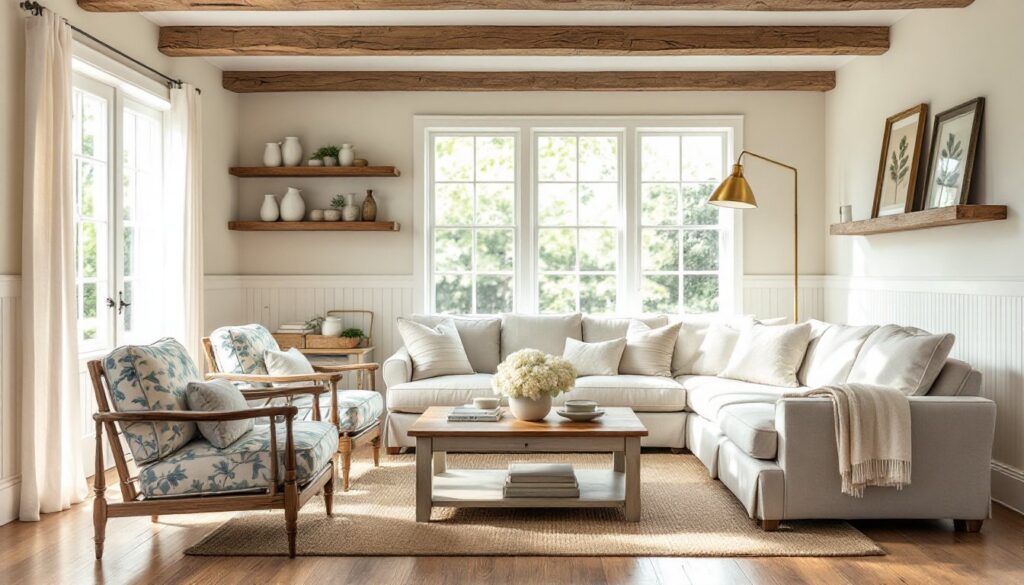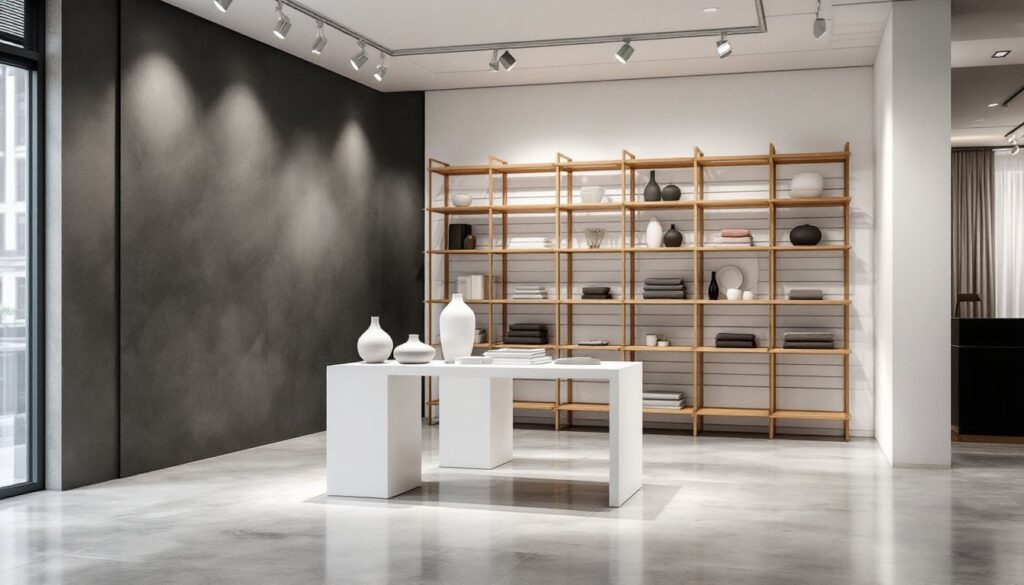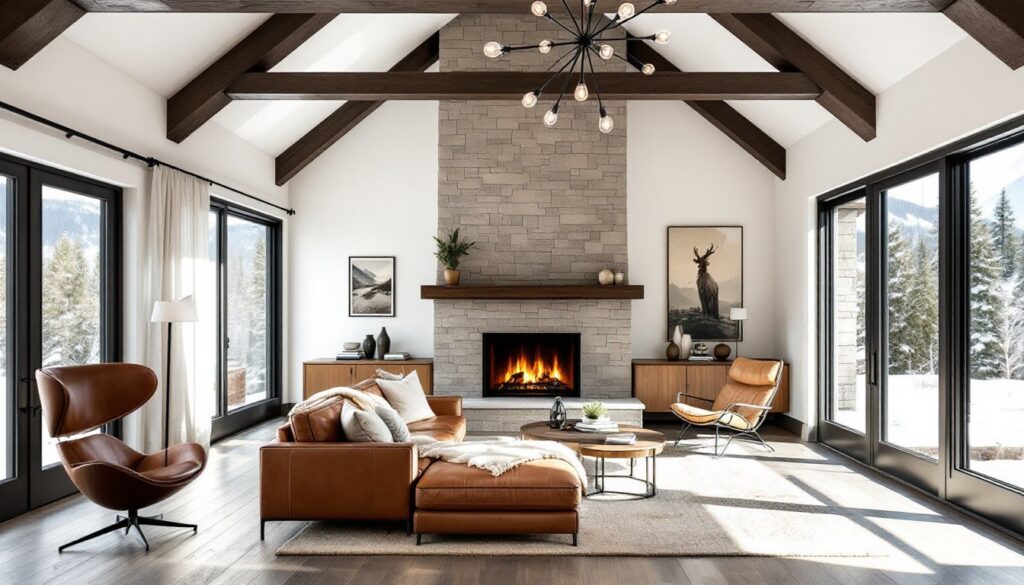

Metro style interior design has become the go-to aesthetic for urban dwellers who want their homes to reflect the energy and sophistication of city living. Born from the sleek, functional architecture of metropolitan transit systems and modern commercial spaces, this design approach strips away excess and celebrates raw materials, open space, and honest construction. It’s not about cold minimalism, metro style balances industrial grit with warmth, creating spaces that feel both polished and lived-in. Whether you’re renovating a loft or updating a suburban home, understanding the fundamentals of metro style gives you a framework for building interiors that feel confident, current, and distinctly urban.
Table of Contents
ToggleKey Takeaways
- Metro style interior design balances industrial materials and raw architecture with warmth and comfort, creating urban-inspired spaces that feel both polished and livable without cold minimalism.
- Core metro elements include clean-lined furniture, exposed brick or subway tile, metal accents (like steel-framed windows or black iron pipe), and a neutral color palette of whites, grays, and blacks with muted accent colors.
- Focus on architectural bones first—prioritize permanent improvements like flooring, exposed materials, and built-in storage over furniture, since strong bones make spaces look intentional even with minimal furnishings.
- DIY-friendly metro projects include installing black pipe shelving, adding subway tile backsplashes, and building floating shelves, while advanced work like concrete countertops and steel-framed doors require professional expertise.
- Authentic metro style develops intentionally over time through disciplined material choices and negative space rather than rapid decoration, rewarding patience and editing out pieces that don’t align with the industrial aesthetic.
What Is Metro Style Interior Design?
Metro style interior design refers to an aesthetic rooted in urban architecture, industrial materials, and the clean geometry found in modern city infrastructure. Think subway tiles, exposed brick, steel-framed windows, and open floor plans that mirror the spatial efficiency of well-designed transit hubs and commercial buildings.
Unlike purely industrial design, which can feel unfinished or warehouse-like, metro style incorporates deliberate comfort. Upholstered furniture, area rugs, and strategic lighting soften the harder materials without diluting the urban edge. The result is a space that feels intentional rather than accidental, functional rather than fussy.
This style works particularly well in spaces with architectural honesty: exposed ductwork, concrete floors, or original brick walls. But you don’t need a century-old factory conversion to pull it off. Metro principles translate to standard residential spaces through material choices, color discipline, and furniture selection that prioritizes form and function equally.
Key Elements of Metro Style Interiors
Clean Lines and Minimalist Furniture
Metro style furniture follows the “less is more” principle, but that doesn’t mean sparse or uncomfortable. Look for pieces with straight edges, visible joinery, and honest construction, no hidden mechanisms or decorative frills. A platform bed with a steel frame, a dining table with hairpin legs, or a sectional sofa with track arms all fit the aesthetic.
Scale matters. Oversized furniture can overwhelm the clean lines that define metro interiors. Instead, choose appropriately sized pieces that allow for visual breathing room. In living areas, a low-profile sofa paired with a simple coffee table, wood top with metal legs works well, keeps sightlines open.
Storage should be built-in or concealed where possible. Open shelving made from reclaimed wood planks mounted on steel brackets adds function without clutter, as long as you’re disciplined about what goes on display. If you’re handy, building your own floating shelves using 2×10 pine boards (actual dimensions 1.5″ × 9.25″) and industrial pipe fittings creates an authentic metro look for less than $100 in materials.
Industrial Accents and Materials
The industrial backbone of metro style comes through in material selection. Exposed brick is the most recognizable element, if your walls are already brick, consider leaving them bare or applying a clear matte sealer rather than painting. Painting brick is permanent and difficult to reverse.
For spaces without original brick, you have options. Thin brick veneer (roughly ½” thick) installs with mastic adhesive and creates an authentic look, though it requires a sturdy substrate, drywall over studs works, but consider adding ½” cement board first for better adhesion. Faux brick panels exist, but they rarely look convincing up close.
Metal elements are non-negotiable. Steel-framed windows and doors are ideal but expensive to retrofit (expect $800-$1,500 per window). More accessible options include black iron pipe used for clothing racks, shelving supports, or curtain rods. Home centers sell pre-threaded pipe in standard lengths: you’ll need a pipe cutter (around $25) or a hacksaw if you need custom sizes.
Concrete shows up in multiple forms. Polished concrete floors deliver the most impact but require professional installation and proper substrate preparation, not a DIY project unless you have concrete finishing experience. Concrete countertops are more achievable for skilled DIYers using pre-mixed concrete countertop mix, though the learning curve is steep. Many homeowners interested in modern industrial aesthetics start with concrete-look porcelain tile instead, which offers similar visual weight with easier installation.
Metro style also embraces visible mechanical systems. If you’re renovating and have ceiling access, consider leaving HVAC ducts exposed and painting them matte black. This only works if your ductwork is relatively new and properly sealed, leaky or damaged ducts waste energy and won’t pass inspection in most jurisdictions.
Metro Style Color Palettes and Textures
Metro interiors rely on a neutral foundation with strategic accent colors. Start with whites, grays, and blacks as your base. Walls typically stay white or light gray, Benjamin Moore’s “Chantilly Lace” or Sherwin-Williams’ “Repose Gray” are common choices, to maximize light and create contrast with darker furnishings.
Gray dominates furniture and larger elements. Charcoal upholstery, graphite metal finishes, and medium gray wood tones create visual cohesion without monotony. Natural materials add warmth: medium to dark wood (walnut, oak, or reclaimed lumber) appears in flooring, shelving, and furniture legs.
Accent colors stay muted and earthy. Rust, deep green, navy, or burnt sienna work in small doses, throw pillows, artwork, or a single accent chair. Avoid pastels and bright primaries, which clash with the industrial palette. If you’re drawn to more traditional color approaches, the principles from Modern Classic Interior design offer a bridge between timeless color theory and contemporary application.
Texture prevents neutral spaces from feeling flat. Combine smooth (polished concrete, glass), rough (exposed brick, raw wood), and soft (linen, wool, leather) surfaces within the same room. A leather sofa against a brick wall with a jute area rug balances industrial hardness with tactile comfort.
Subway tile deserves special mention, it’s virtually synonymous with metro style. The classic 3″ × 6″ white ceramic tile with beveled edges, laid in running bond pattern with dark gray grout, references the tilework in historic transit stations. Installation is straightforward for DIYers with tile experience: use white thinset mortar, ⅛” spacers, and seal grout after it cures. Coverage: expect about 8 square feet per pound of thinset for wall applications.
How to Create a Metro Style Space in Your Home
Start with architectural bones. If you’re renovating, prioritize exposing original materials before adding new finishes. Removing drywall to reveal brick or switching out solid-core doors for glass-paned industrial-style doors makes a bigger impact than furniture alone.
For walls, decide early whether to go with white paint or expose existing materials. If painting brick, use a breathable masonry primer first, brick is porous and needs special paint treatment. Most standard interior paints trap moisture and cause adhesion problems on masonry.
Flooring sets the tone. If you have concrete subfloors, consider grinding and sealing them instead of covering them, budget around $3-$8 per square foot for professional grinding and sealing. For homes with wood subfloors, wide-plank engineered hardwood (5″ to 7″ widths) in gray or natural oak finishes keeps the clean aesthetic. Installation over existing subfloor is manageable for experienced DIYers using the floating floor method.
Lighting is where metro style gets interesting. Swap builder-grade fixtures for industrial pendants with Edison bulbs, cage guards, or metal shades. In kitchens, a row of three pendant lights over an island (spaced 30″ to 36″ apart) provides task lighting and visual rhythm. Make sure your electrical boxes can support the weight, most standard pancake boxes are rated for 50 pounds, but heavier fixtures need fan-rated boxes.
When selecting furniture, measure first. A common mistake is over-furnishing. Metro interiors need negative space to breathe. In a living room, a sofa, two accent chairs, and a coffee table might be enough, resist the urge to fill every corner.
Window treatments should be minimal. Black or charcoal roller shades, simple panel curtains, or no treatment at all (if privacy allows) work best. Avoid fussy valances or decorative hardware. If you need privacy and light control, cellular shades in gray provide insulation without sacrificing the clean aesthetic, look for a cordless lift system for uninterrupted lines.
Kitchen and bath spaces offer strong opportunities for metro elements. A subway tile backsplash is the obvious choice, but consider carrying it floor-to-ceiling for more impact. Pair it with open shelving instead of upper cabinets, just be realistic about whether you can keep dishes organized and dust-free. Many homeowners with similar design sensibilities, particularly those managing Airbnb properties, find that fully open kitchens require more maintenance than semi-open configurations with some closed storage.
For bathroom renovations, black-framed shower enclosures have become the signature metro element. These require careful planning, the frames are typically 1.5″ to 2″ wide and need adequate wall blocking behind the tile for secure attachment. Don’t attempt this without understanding wet area construction and waterproofing membrane application. Your jurisdiction likely requires a permit for bathroom work involving plumbing or structural changes.
DIY Metro Projects (Ranked by Difficulty):
• Easy: Install black pipe shelving brackets, swap light fixtures, add subway tile backsplash (small area)
• Moderate: Build floating shelves, paint brick walls, install vinyl plank flooring
• Advanced: Pour concrete countertops, install steel-framed glass doors, grind and seal concrete floors
If you’re working within a tight budget, focus resources on permanent architectural changes first, flooring, tile work, built-ins, and phase in furniture over time. A space with strong bones looks intentional even with minimal furnishings, whereas expensive furniture in a poorly executed space never quite works.
Safety matters on these projects. When grinding concrete, wear N95 respirators (not just dust masks), safety glasses, and hearing protection, concrete grinders hit 100+ decibels. When working with thinset or concrete mix, wear nitrile gloves: these materials are caustic and can burn skin. If you’re cutting metal pipe, use cutting oil and secure the pipe in a vise, a pipe cutter is safer than a hacksaw for beginners.
Finally, understand that authentic metro style develops over time. Spaces featured on platforms like Domino often look effortless but represent years of collecting the right pieces and editing out what doesn’t work. Start with core elements, palette, flooring, one statement material like brick or concrete, and build from there. The beauty of metro design is that it rewards patience and intentionality rather than rapid decoration.
Conclusion
Metro style interior design translates urban energy into residential spaces through honest materials, clean lines, and deliberate restraint. It’s a style that respects both the architecture and the people living in it, functional without being cold, industrial without feeling unfinished. By focusing on quality over quantity and embracing the character of raw materials, homeowners create spaces that feel both current and enduring.