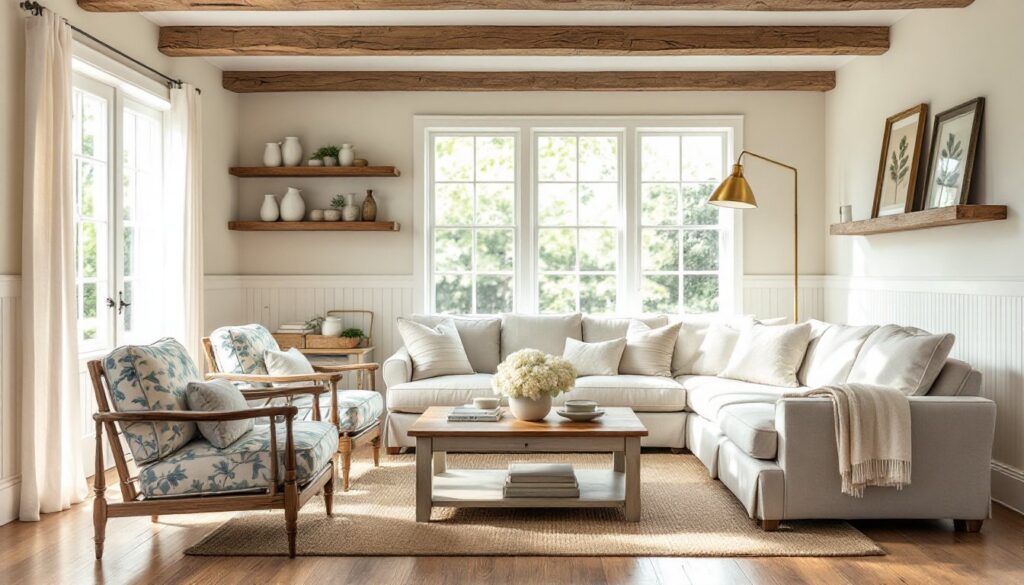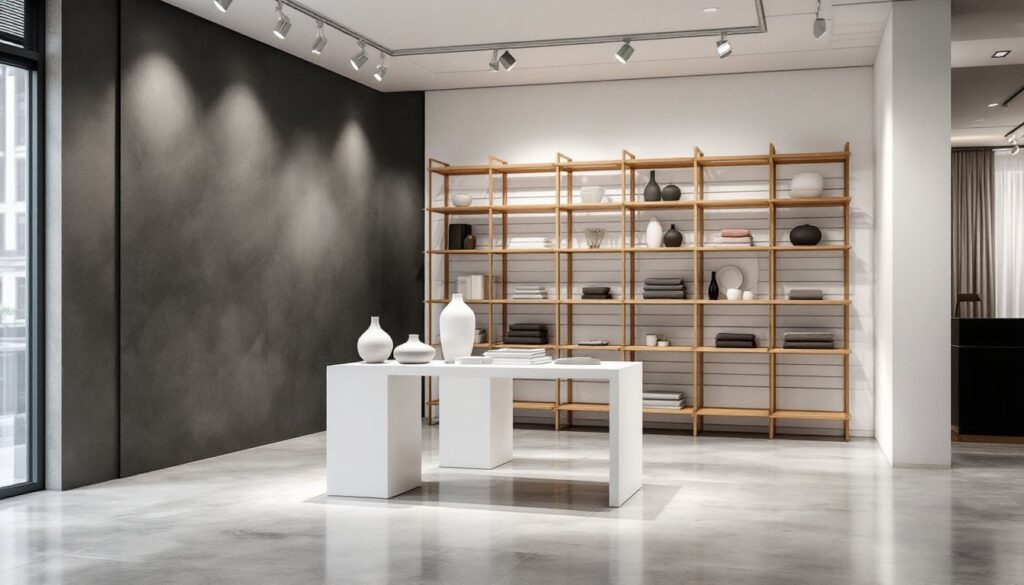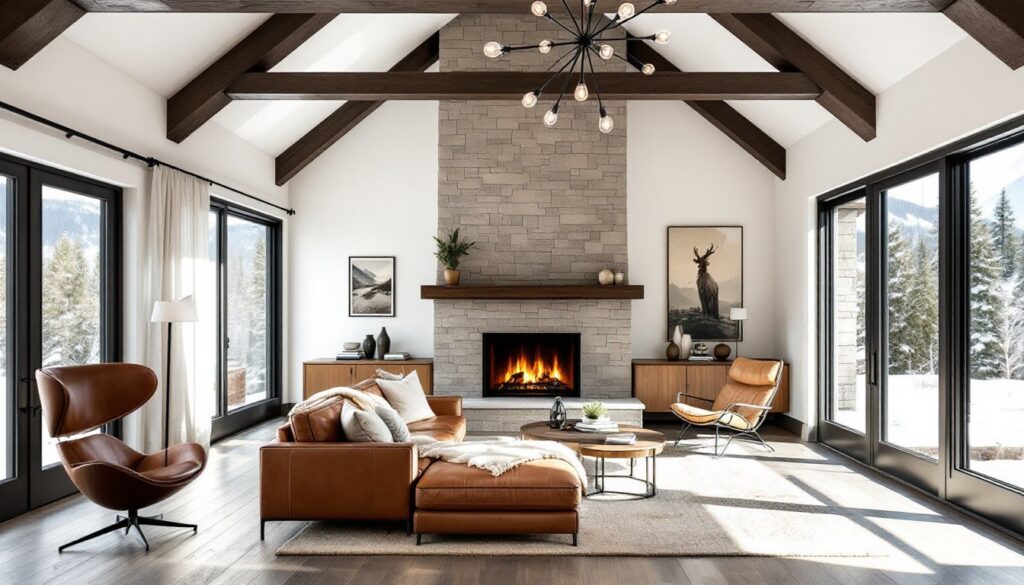

If you’ve ever tackled a room makeover and wondered whether your choices would hold up under professional scrutiny, you’re not alone. Interior Design Masters has become the unexpected reality show that home improvement enthusiasts actually want to watch, not for the drama, but for the practical design challenges, tight budgets, and real-world constraints that mirror what DIYers face every weekend. Unlike glossy renovation shows with unlimited budgets and invisible crews, this competition throws talented amateurs into the deep end with specific briefs, real clients, and ticking clocks. The result? A masterclass in problem-solving, spatial planning, and making bold design decisions when there’s no time for second-guessing.
Table of Contents
ToggleKey Takeaways
- Interior Design Masters proves that impactful design doesn’t require unlimited budgets—investing in one statement piece and building around it with budget-conscious choices delivers professional results.
- Paint is the highest-impact, lowest-cost design tool, transforming spaces through color-blocking, ceiling details, and furniture updates for under $100 per room.
- Successful contestants follow a systematic process: plan layout first, complete all prep work before finishing, and execute one task fully before moving to the next—a methodology that prevents scattered home projects.
- Interior Design Masters demonstrates that good design is about understanding proportion, color theory, lighting, and how people use spaces, not about expensive furnishings.
- Creating a cohesive color story (three main colors plus neutrals) unifies patterns and design elements while preventing visual chaos in any style approach.
- Measuring doorways, ceiling heights, and floor space before procurement prevents costly mistakes and eliminates multiple shopping trips on DIY projects.
What Is Interior Design Masters?
Interior Design Masters is a British reality competition that pits amateur interior designers against each other in a series of real-world design challenges. Originally launched on BBC Two, the show tasks contestants, none of whom are professional designers, with transforming commercial and residential spaces under the watchful eye of host Alan Carr and judge Michelle Ogundehin, former editor-in-chief of Elle Decoration UK.
Each episode centers on a specific brief: redesigning a hotel lobby, creating a show home bedroom, or reimagining a restaurant interior. Contestants get limited budgets (often mirroring what actual homeowners might spend), tight deadlines measured in hours rather than days, and access to trade suppliers and salvage yards. There’s no hidden crew finishing the trim work or magically sourcing that perfect vintage credenza, competitors do the physical labor, from painting walls to installing light fixtures.
What sets the show apart is its focus on design principles over pure aesthetics. Judges evaluate spatial planning, functionality, understanding of the client brief, and whether the design actually works for its intended purpose. A beautifully styled room that ignores the client’s needs or creates awkward traffic flow gets critiqued just as harshly as one with clashing colors. Season 2 expanded the show’s reach, introducing more complex commercial spaces and tighter constraints that pushed contestants to think like working designers balancing client demands, budgets, and building limitations.
Why Interior Design Masters Has Captured the Hearts of DIY Enthusiasts
The show resonates with home improvement hobbyists because it strips away the fantasy elements that plague most design television. There’s no unlimited budget, no professional contractors swooping in to fix mistakes, and no glossing over the grunt work. When a contestant misjudges paint coverage and runs out halfway through a wall, they problem-solve on camera, exactly what happens in real garages and living rooms across the country.
Contestants work with constraints DIYers understand intimately: fixed budgets that force choices between splurging on a statement light fixture or stretching funds across quality paint and hardware, time pressure that mirrors weekend project windows, and the need to make design decisions without endless research and mood boarding. Watching someone debate whether to commit to a bold wallpaper choice or play it safe with paint feels familiar to anyone who’s stood in a home center aisle second-guessing their cart.
The show also validates that good design isn’t about expensive furnishings, it’s about understanding proportion, color theory, lighting, and how people actually use spaces. Several memorable interior design principles showcased on the series translate directly to home projects: using paint to define zones in open-plan spaces, maximizing natural light with strategic mirror placement, and creating focal points that draw the eye without overwhelming a room. When contestants nail these fundamentals with budget finds and elbow grease, it proves that thoughtful design beats throwing money at a space.
Key Takeaways from Interior Design Masters for Your Own Home Projects
Budget-Friendly Design Tips Inspired by the Show
Contestants consistently prove that impactful design doesn’t require luxury price tags. One recurring technique: investing in a single statement piece, whether that’s a bold light fixture, an architectural salvage find, or custom millwork, then building the rest of the room with budget-conscious choices. A $300 vintage chandelier can anchor a dining room while $2.50/gallon paint in a rich, unexpected color transforms the walls for under $30.
Paint remains the highest-impact, lowest-cost tool in every contestant’s arsenal. Beyond basic wall color, the show demonstrates using paint to create visual interest through color-blocking, painting ceiling beams or trim in contrasting shades, and even painting furniture to unify mismatched pieces. One gallon of quality primer and two gallons of finish coat can completely transform a 12×14 room for under $100.
Secondhand and salvage shopping features heavily, but with purpose. Successful contestants don’t just grab random vintage items, they shop with specific measurements, color palettes, and functional needs in mind. That approach prevents the common DIY mistake of accumulating “interesting pieces” that never quite work together. When hunting for budget-friendly design elements, measure twice and visualize how pieces integrate before loading the truck.
Fabric and textiles offer another budget lever the show exploits brilliantly. Custom cushions made from affordable fabric by the yard, curtains sewn from drop cloths or painter’s canvas, and upholstered headboards cut from ¾-inch plywood and foam provide custom looks at IKEA prices. Basic sewing skills or a relationship with a local upholstery shop opens up significant savings compared to buying finished soft furnishings.
How to Apply Competition Techniques to Real-Life Renovations
The show’s time-pressure format forces contestants to work systematically, a discipline that prevents the scattered approach that derails many home projects. Contestants who succeed follow a consistent sequence: measure and plan the layout first, tackle all prep work before starting finish work, complete one task fully before moving to the next, and save styling for the final hours.
That methodology translates directly to weekend projects. Rather than bouncing between painting trim, hanging curtains, and arranging furniture, complete each phase thoroughly. For a bedroom refresh: patch and prime walls (Day 1), apply two coats of finish paint (Day 2), install lighting and window treatments (Day 3), then arrange furniture and accessories (Day 4). This prevents the half-finished limbo that stretches three-day projects into three-month sagas.
Contestants also demonstrate the importance of committing to design choices and executing them fully rather than hedging with safe compromises. A contestant who chooses a bold emerald green for an accent wall and carries that color through in textiles, art mats, and accessories creates cohesion. One who second-guesses and dilutes the concept with multiple competing colors ends up with a muddled result. In your own projects, test ideas with samples, make a decision, then execute it confidently.
The show highlights how modern classic approaches can balance timeless elements with contemporary updates, pairing traditional molding profiles with current paint colors, or mixing antique furniture with modern lighting. This prevents dated looks while avoiding trendy designs that feel tired in two years.
Another competition technique worth adopting: creating detailed shopping lists with measurements before procurement. Contestants who wing it end up making multiple trips or buying pieces that don’t fit. Before hitting stores, measure doorways, ceiling heights, and the actual floor space available (accounting for door swings and traffic paths). A sketch with dimensions prevents expensive mistakes like ordering a sofa that won’t fit up the stairwell, a problem no amount of design talent solves.
Meet the Most Memorable Contestants and Their Signature Styles
Interior design masters season 2 introduced viewers to a diverse range of design philosophies that demonstrate there’s no single “correct” approach to creating compelling spaces. Contestants brought distinct aesthetic sensibilities that can inspire your own project direction.
Several standout competitors championed maximalist approaches, layered patterns, rich colors, and abundant accessories that created rooms with personality and depth. This style works particularly well in spaces where you want character and coziness: dining rooms, bedrooms, home offices, and reading nooks. The key technique these contestants mastered was establishing a cohesive color story (typically three main colors plus neutrals) that unified disparate patterns and prevented visual chaos.
Other contestants favored minimalist, Scandinavian-influenced designs with neutral palettes, clean lines, and abundant natural light. These spaces succeeded when contestants paid attention to texture and material variation, combining smooth plaster walls with rough linen textiles, matte painted surfaces with glossy tile, and natural wood grain against painted cabinetry. Without textural interest, minimalist designs risk feeling sterile rather than serene.
Some of the most successful room transformations came from contestants who embraced eclectic 2000s design influences, mixing mid-century modern furniture with industrial lighting and contemporary art. This approach requires a confident eye but allows DIYers to incorporate existing furniture and inherited pieces rather than starting from scratch.
According to leading designers, the ability to blend styles while maintaining spatial coherence separates amateur attempts from professional results, exactly what the show’s format tests. Contestants who studied how professional designers approach spatial planning and material selection consistently outperformed those relying solely on aesthetic instincts.
How to Watch Interior Design Masters and Stay Updated on New Seasons
Interior Design Masters airs on BBC Two in the UK, with episodes typically available on BBC iPlayer following broadcast. For viewers outside the UK, streaming availability varies by region and licensing agreements, though several international streaming services have picked up past seasons.
New seasons typically launch in late winter or early spring, running for eight to ten episodes. The BBC announces casting calls and production timelines on the official show website and social media channels, usually six to eight months before air dates. Following the show’s official accounts provides updates on confirmed contestants, challenge themes, and guest judges before episodes air.
Between seasons, the show’s format has inspired similar competitions in other markets and spawned active online communities where fans dissect design choices, share inspired projects, and debate judging decisions. These communities often provide practical value beyond entertainment, members share supplier recommendations, troubleshoot design challenges, and post their own before-and-after transformations using techniques demonstrated on the show.
For those looking to explore diverse design styles or apply competition concepts to rental property makeovers, archived episodes offer a masterclass in working within constraints. Pay particular attention to episodes featuring spaces similar to your project, small bedrooms, open-plan living areas, or commercial-style kitchens, to see how contestants tackle common layout challenges.
Rewatch episodes with a critical eye toward process rather than just finished results. Note how much time successful contestants allocate to prep work versus installation and styling, how they prioritize when running behind schedule, and which shortcuts prove effective versus which compromise the final product. That behind-the-scenes problem-solving often teaches more than the final room reveals, especially for projects like updating traditional spaces with modern elements or translating Pinterest inspiration into physical reality.
The show’s enduring appeal lies in its honest portrayal of the design process, mistakes, time crunches, budget constraints, and all. Whether you’re planning a full room renovation or just need motivation to finally paint that accent wall, watching talented amateurs transform spaces under pressure proves that thoughtful design is accessible to anyone willing to plan carefully, work systematically, and commit to their creative vision.