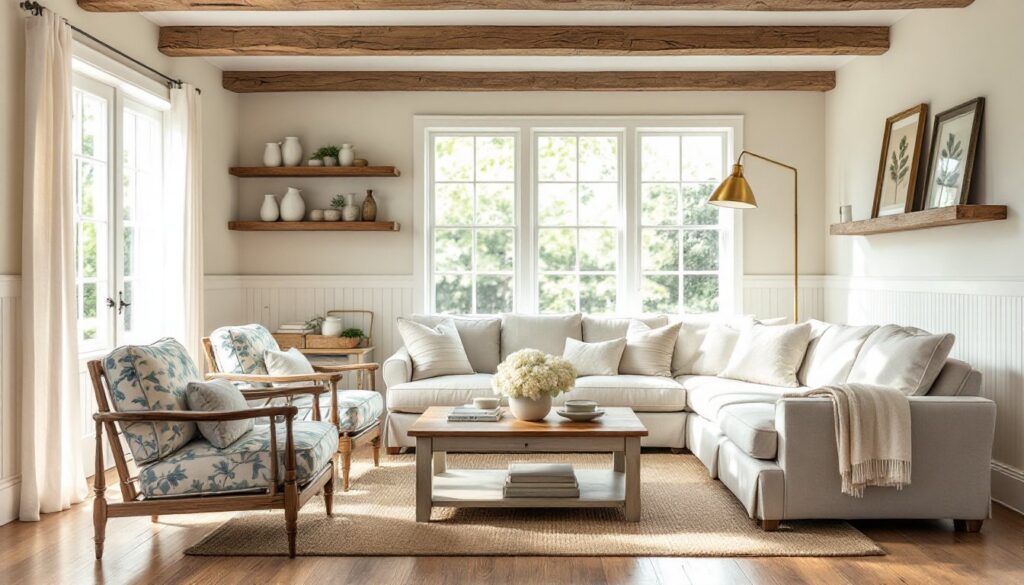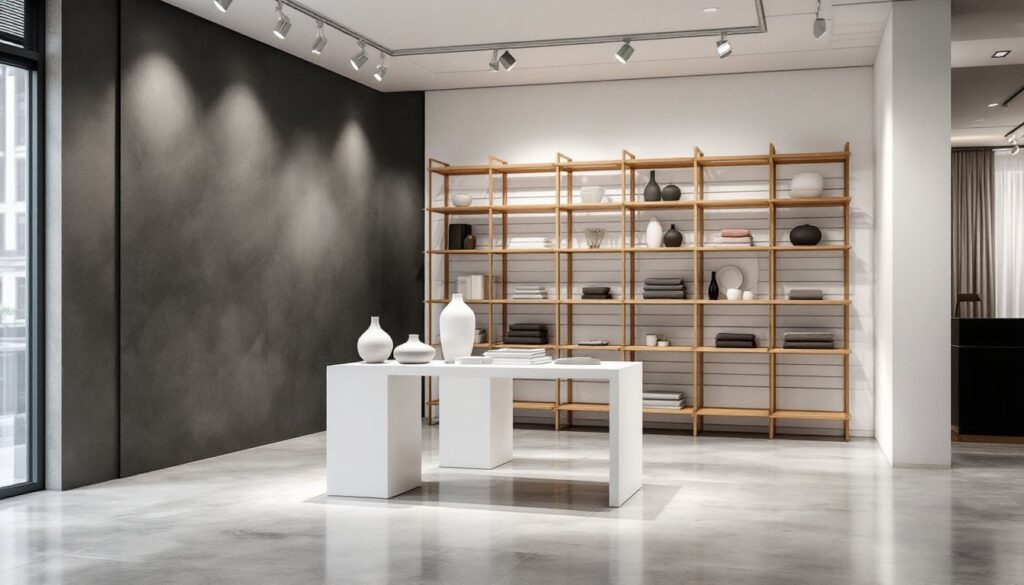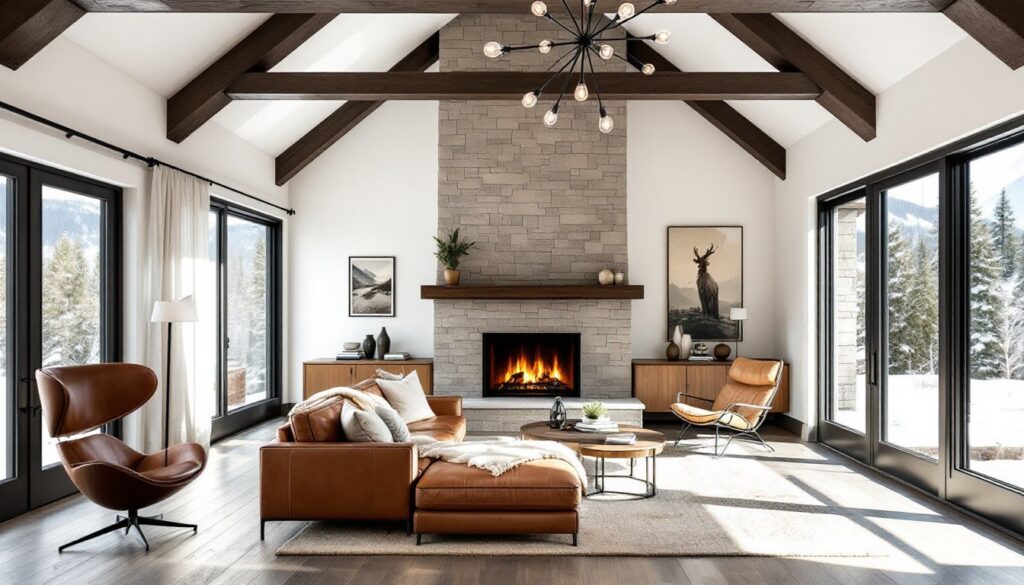

Designing a small house on a budget doesn’t mean settling for cramped, boring spaces. With strategic planning and a few clever tricks, even the tightest quarters can feel open, functional, and stylish, without draining savings. The secret lies in understanding how every design choice affects both space perception and usability. Smart color palettes, multi-purpose furniture, DIY upgrades, and space-saving layouts can transform a compact home into a comfortable retreat that punches well above its square footage.
Table of Contents
ToggleKey Takeaways
- Low budget small house interior design thrives on strategic choices—light colors, vertical storage, and multi-functional furniture maximize space without expensive renovations.
- Paint is the cheapest visual expansion tool; use light, neutral colors and monochromatic finishes on walls and trim to make rooms feel larger and reflect more light.
- Vertical storage solutions like floating shelves ($20-$40 for three), closet optimization, and over-door organizers eliminate clutter while preserving precious floor space.
- Multi-functional furniture—nesting tables, ottomans with storage, daybeds, and fold-down desks—serves multiple purposes and prevents overcrowding in compact homes.
- DIY projects like peel-and-stick wallpaper, open shelving, and hardware upgrades deliver high-impact style transformations for $10-$100 rather than premium retail costs.
- Smart furniture arrangement—floating pieces 12 inches from walls, layered lighting, and proportional scale—creates better flow and makes small spaces feel more open and functional.
Why Small Spaces Need Smart Design Choices
Small houses amplify every design decision, good or bad. A poorly chosen paint color can make a room feel like a shoebox, while the wrong furniture layout creates bottlenecks and wasted corners. Budget constraints add another layer of complexity, forcing homeowners to prioritize what truly matters.
The goal isn’t just to make a space look bigger: it’s to make it function better. That means creating clear pathways, maximizing natural light, and ensuring storage doesn’t eat up visual breathing room. Every piece of furniture, every color choice, and every storage solution should earn its place.
Unlike larger homes where mistakes can hide in a spare bedroom or oversized living room, small spaces demand intentional planning. A cluttered entryway or dark hallway becomes a daily frustration. The upside? Small square footage means less material to buy, less area to paint, and faster project turnaround times. Those foundational design principles apply here too, just with higher stakes for each choice.
Budget-Friendly Color and Lighting Strategies
Paint is the cheapest way to visually expand a small room. Light, neutral colors, soft whites, warm grays, pale beiges, reflect more light and push walls outward visually. A gallon of interior paint covers roughly 350-400 square feet and costs $25-$50 for quality brands. Skip the bright accent walls in tiny rooms: they shrink space instead of opening it up.
Consider painting trim, walls, and ceilings the same shade. This monochromatic approach blurs boundaries and eliminates visual breaks that chop up a room. Semi-gloss or satin finishes on trim bounce more light than flat paint.
Lighting matters as much as paint. A single overhead fixture casts harsh shadows and flattens a room. Layer light sources instead: a ceiling fixture for general illumination, a floor lamp in a dark corner, and task lighting where needed. Swap outdated fixtures for modern, low-profile options that don’t hang down and crowd headspace.
Maximize natural light by keeping window treatments minimal. Sheer curtains or roller shades mounted above the window frame make windows appear taller. Remove heavy drapes that block daylight. If privacy isn’t an issue, leave windows bare.
Mirrors amplify both natural and artificial light. A large mirror opposite a window doubles perceived brightness. Thrift stores and estate sales often stock framed mirrors for $10-$30. Position mirrors strategically, not just for function, but to reflect light into dim zones.
Maximize Storage Without Breaking the Bank
Clutter is the enemy of small spaces, but adding storage doesn’t require custom cabinetry. Start by looking up. Wall-mounted shelves use vertical space that furniture can’t reach. Install floating shelves (basically a shelf bracket hidden inside the shelf itself) in kitchens, bathrooms, and living areas. A single 8-foot board of 1×8 pine costs $10-$15 and can be cut into multiple shelves.
Mount shelves 12-18 inches below the ceiling to store items used less frequently, holiday dishes, extra linens, or off-season clothing. Open shelving in kitchens replaces upper cabinets at a fraction of the cost. Just keep contents organized: exposed clutter makes a room feel chaotic.
Closet optimization delivers huge returns. Remove the single hanging rod and install a double-hang system: one rod at 40 inches for shirts and jackets, another at 80 inches for longer items. Add a shelf above and stackable bins below. This setup triples usable closet space for under $50 in materials.
Under-bed storage is free real estate. Slide shallow plastic bins or rolling drawers beneath the bed frame. For beds without clearance, add bed risers (blocks that lift the frame 3-6 inches) for $15-$25 per set.
Over-the-door organizers work in closets, bathrooms, and pantries. Hooks, racks, and pocket organizers cost $10-$20 and install without tools. Use the back of every door.
Many small space living strategies focus on creative vertical storage and multi-use furniture arrangements.
Multi-Functional Furniture on a Tight Budget
In a small house, furniture that serves only one purpose is a luxury most can’t afford. A coffee table with built-in storage, a sofa bed for guests, or a dining table that doubles as a workspace maximizes utility without overcrowding.
Look for nesting tables (smaller tables that tuck under a larger one). They provide surface area when needed and disappear when they don’t. Ottomans with lift-top storage offer seating, a footrest, and hidden compartment space.
Murphy beds (wall beds that fold up) are ideal for studio apartments or multipurpose rooms, but quality units run $1,000+. A budget alternative: a daybed with a trundle. It functions as a sofa during the day and sleeps two at night, starting around $200-$300.
Drop-leaf or fold-down tables mount to walls and fold flat when not in use. A wall-mounted fold-down desk costs $50-$100 and creates a workspace in a hallway or bedroom corner. When closed, it’s a shallow shelf.
Shop secondhand for multi-functional pieces. Thrift stores, Facebook Marketplace, and Craigslist often have solid wood furniture that just needs a fresh coat of paint. A $30 dresser becomes a TV stand with the top drawer removed. A bookcase turned on its side and fitted with a cushion becomes a window seat with storage.
Avoid bulky recliners, oversized sectionals, and heavy wooden furniture that dominates a room. Choose pieces with exposed legs (rather than skirted bases) to maintain visual flow and make floors appear larger. Transparent materials, acrylic chairs, glass tabletops, take up physical space without blocking sightlines.
DIY Decor Projects That Add Big Impact
DIY projects let homeowners customize small spaces without the markup of store-bought decor. Start with an accent wall using peel-and-stick wallpaper or shiplap. Peel-and-stick wallpaper costs $25-$50 per roll (covering roughly 28 square feet) and installs in an afternoon with no paste or mess. It’s renter-friendly and removable.
For a more permanent upgrade, install shiplap (horizontal boards with a small gap between each). Use 1×6 or 1×8 pine boards, which cost $0.50-$1.00 per linear foot. Attach directly to drywall with a brad nailer (or construction adhesive and finish nails if working without a compressor). Paint white or gray to create texture without visual weight. Many budget DIY makeover ideas feature shiplap installations and painted furniture transformations.
Build your own floating shelves. Cut boards to length, sand edges, stain or paint, and mount with hidden shelf brackets. Total cost: $20-$40 for a set of three shelves.
Open shelving in kitchens is another high-impact DIY. Remove upper cabinet doors (or the entire cabinet box if comfortable with minor demolition), patch and paint the wall, then install heavy-duty shelf brackets and wood or metal shelving. This opens up the kitchen visually and costs less than $100.
Create custom art with canvas stretcher frames and fabric. Buy a blank canvas or build a frame from 1×2 furring strips, stretch fabric over it, and staple on the back. Large-scale art costs $10-$20 in materials versus $100+ retail.
Upgrade cabinet hardware for instant modernization. Swapping outdated knobs and pulls takes 10 minutes per cabinet and costs $2-$5 per piece. Matte black, brushed nickel, or brass finishes add style without renovation.
Safety note: When mounting shelves or heavy items, locate wall studs with a stud finder and anchor into solid framing, not just drywall. Use appropriate hardware, toggle bolts or molly bolts for drywall, screws into studs for heavier loads.
Space-Saving Layout and Floor Plan Tips
Furniture arrangement can make or break a small room. Float furniture away from walls instead of shoving everything against the perimeter. A sofa pulled 12 inches off the wall with a narrow console table behind it creates a walkway and adds function without blocking flow.
Define zones in open-concept spaces using rugs, lighting, or furniture placement rather than walls or dividers. A rug anchors a seating area: a pendant light marks a dining zone. This maintains openness while creating structure.
Keep major pathways at least 36 inches wide, the minimum comfortable clearance for walking. In tight spaces, 30 inches works, but narrower feels cramped. Measure before buying furniture to ensure doors open fully and traffic flows naturally.
Scale matters. A large sectional overwhelms a 10×12 living room, but a 72-inch loveseat with a couple of accent chairs provides seating without dominating. Choose furniture proportional to room size.
Use vertical space for storage and decor, leaving floor space open. Wall-mounted TVs, floating desks, and tall bookcases draw the eye up and keep square footage clear. Homeowners exploring living room layout ideas often find that less furniture, arranged strategically, creates more usable space.
In bedrooms, position the bed against the longest wall to maximize floor space on either side. Nightstands don’t have to match or be traditional tables, a small stool, a stack of books, or a wall-mounted shelf works just as well.
Avoid room dividers, heavy curtains, or tall furniture that chops a space into smaller chunks. Transparency and continuity make small homes feel larger. If privacy is needed, use a bookcase as a partial divider, it provides separation without a solid visual barrier.
Conclusion
Transforming a small house on a budget comes down to intentional choices: light colors that expand space, vertical storage that clears floors, multi-functional furniture that works harder, and DIY upgrades that add character without the cost. Every project doesn’t need to happen at once, start with one high-impact change and build from there. Small spaces reward smart planning, and the results prove that square footage matters far less than how it’s used.