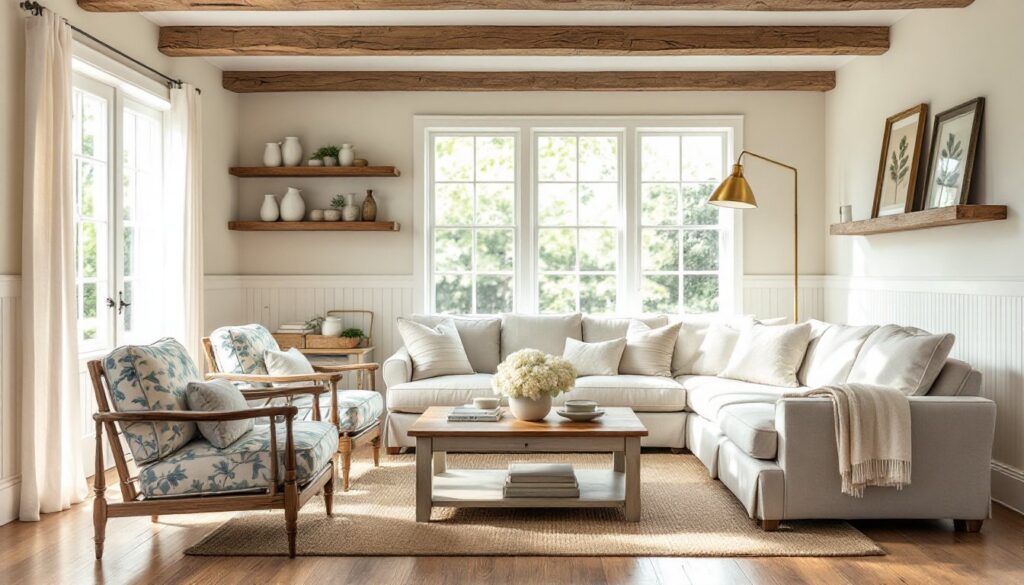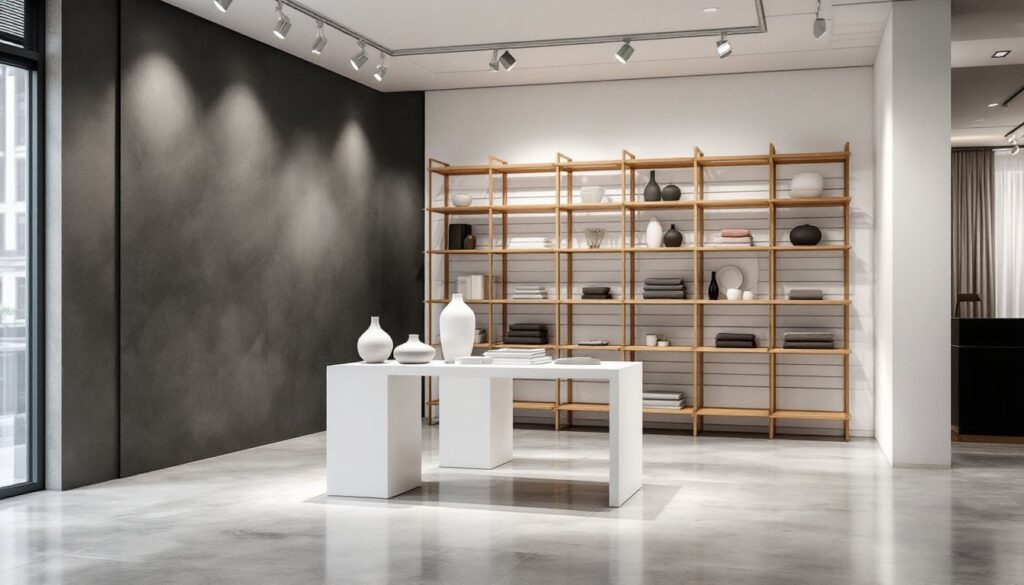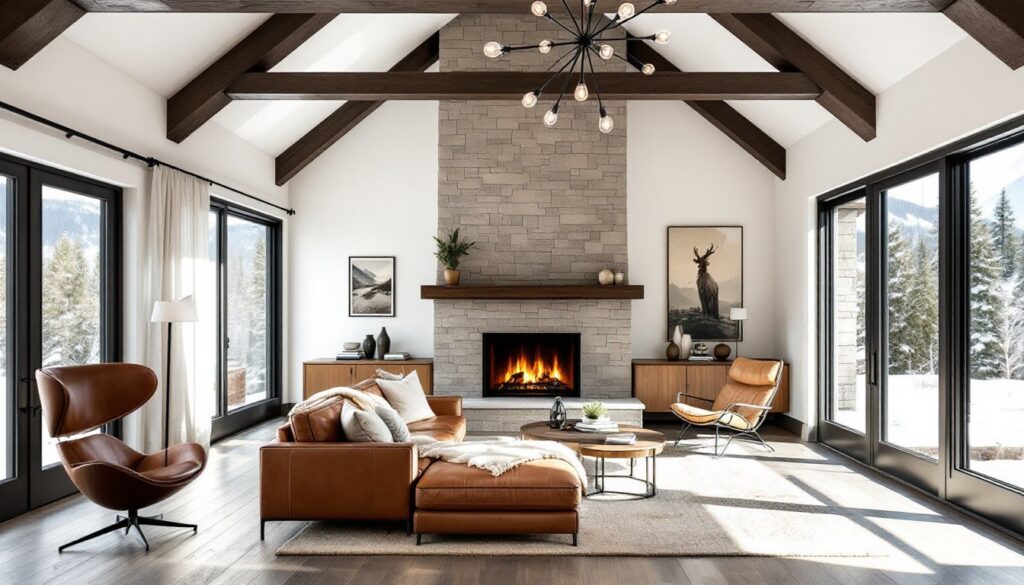

Minimalism doesn’t have to feel cold or sterile. Warm minimalism has emerged as the antidote to stark white walls and lifeless spaces, blending the simplicity of minimalist design with tactile textures, earthy tones, and inviting materials. This approach delivers the visual calm and functionality DIYers love without sacrificing comfort. Whether renovating a single room or rethinking an entire home, warm minimalism offers a framework that’s both achievable and livable, no professional designer required.
Table of Contents
ToggleKey Takeaways
- Warm minimalism interior design blends clean lines with natural materials, earthy tones, and tactile textures to create livable, comfortable spaces without feeling cold or sterile.
- Prioritize natural materials like solid wood, linen, wool, and leather over synthetics, focusing on quality over quantity to prevent visual clutter while adding warmth and depth.
- Use a neutral color palette of warm whites, beiges, and taupes as your base, then layer in earthy accents like terracotta, sage green, and rust through textiles or accent walls.
- Avoid common mistakes such as confusing minimalism with emptiness, using all white without texture, or skimping on layered lighting—your space should feel complete and intentional.
- Build warm minimalism gradually over time by decluttering first, then curating furniture with clean lines and natural finishes, and ensuring each piece serves a function or brings genuine satisfaction.
- Implement room-specific strategies: in living areas use quality seating and natural-fiber rugs; in bedrooms choose linen bedding and warm-toned task lighting; in kitchens opt for open shelving with everyday items only.
What Is Warm Minimalism and Why Is It Trending?
Warm minimalism fuses the clean lines and uncluttered spaces of traditional minimalism with warmer, more human elements. Think fewer items, but better ones, pieces that invite touch and use rather than just admiration. Where classic minimalism leans into cool grays and industrial finishes, warm minimalism incorporates natural wood, soft linens, and muted earth tones.
The trend gained traction as homeowners grew tired of cold, showroom-like interiors. People want homes that feel lived-in, not staged. The rise of remote work and hybrid schedules also shifted priorities, spaces now need to be both functional and comfortable for extended daily use. A clutter-free desk is great, but not if it’s unwelcoming to sit at for eight hours.
This design philosophy is also practical for DIYers. It doesn’t demand expensive statement pieces or constant updates. The focus on quality over quantity means fewer purchases, and the neutral palette provides a forgiving backdrop for gradual changes. It’s a style that rewards patience and intentionality, not impulse buys.
Key Elements of Warm Minimalist Design
Natural Materials and Textures
Warm minimalism relies heavily on natural materials to create visual interest without clutter. Solid wood, linen, wool, stone, and leather all add warmth and tactile depth. A white oak dining table or walnut shelving brings richness that laminate never will.
Textural contrast matters more than color contrast here. Pair a smooth plaster wall with a chunky-knit throw. Set a matte ceramic vase on a glossy marble countertop. These small variations prevent monotony without adding visual noise. For DIY projects, consider swapping hollow-core doors for solid wood or composite doors with wood veneer. The weight and finish immediately elevate the space.
Avoid synthetic finishes that mimic natural materials, they rarely hold up under scrutiny. If budget’s tight, prioritize high-touch areas like countertops, flooring, and seating. A single Scandinavian-inspired accent piece in real wood does more for a room than five items in faux grain.
Neutral Color Palettes with Earthy Accents
The warm minimalist palette starts with neutrals, warm whites, beiges, taupes, and soft grays with warm undertones. These aren’t builder-grade beige or stark white: they’re nuanced tones that shift with natural light. Benjamin Moore’s “Swiss Coffee” or Sherwin-Williams’ “Accessible Beige” are solid starting points.
Layer in earthy accents: terracotta, ochre, sage green, rust, and clay tones. These can appear in textiles, pottery, or a single accent wall. One gallon of quality paint covers roughly 350–400 square feet, so an accent wall in a standard bedroom (10×12 feet, 8-foot ceiling) needs less than a gallon.
When selecting paint, test samples in the actual room at different times of day. Natural light shifts tone dramatically. North-facing rooms pull cooler: south-facing rooms amplify warmth. A color that looks perfect at noon might read flat or muddy at dusk.
Stick to a maximum of three to four colors throughout the home for visual cohesion. This doesn’t mean every room is identical, but transitions should feel intentional, not jarring.
How to Achieve Warm Minimalism in Every Room
Start with decluttering, this isn’t optional. Warm minimalism doesn’t work if surfaces are crowded. Store or donate items that don’t serve a function or bring genuine satisfaction. Once the space is clear, assess what remains.
In living rooms, focus on a few quality seating pieces. A linen-upholstered sofa, a pair of leather accent chairs, and a low-profile coffee table in solid wood create a functional core. Add warmth with a jute or wool area rug (8×10 feet for most living rooms) and a couple of textured throw pillows. Skip the matching pillow sets, mix materials instead.
For bedrooms, invest in natural-fiber bedding. Linen or organic cotton in warm neutrals sets the tone. A simple platform bed in oak or walnut eliminates the need for a box spring and keeps sightlines low. Swap overhead lighting for table lamps or sconces with warm LED bulbs (2700K–3000K color temperature). Task lighting improves function and mood simultaneously.
Kitchens benefit from open shelving, if you can commit to keeping it tidy. Replace upper cabinets with floating shelves in matching wood to display everyday dishware. This works best for items you actually use: decorative clutter defeats the purpose. If open shelving isn’t realistic, consider glass-front cabinet doors to break up solid runs of cabinetry.
In bathrooms, swap plastic for natural materials. A wooden bath mat, stone soap dish, and linen hand towels cost little but shift the entire aesthetic. If renovating, consider large-format tiles (12×24 inches or larger) in matte finishes. Fewer grout lines mean easier cleaning and a calmer visual field. Grout should be sanded and sealed for moisture resistance: unsanded grout is only for joints narrower than ⅛ inch.
Don’t forget entryways and hallways. A simple wall-mounted coat rack in wood or metal, a narrow console table, and a woven basket for shoes keep these high-traffic zones functional without crowding.
Furniture and Decor Choices for a Warm Minimalist Home
Furniture should be simple in form but rich in material. Look for pieces with clean lines, minimal ornamentation, and visible grain or texture. A solid wood dining table with a natural finish beats a painted one every time in this style. If buying new, check whether it’s solid wood or veneer, veneer isn’t inherently bad, but it should be clearly disclosed.
For upholstered pieces, choose natural fabrics: linen, cotton, wool, or leather. These age better than synthetics and develop a lived-in patina that suits the aesthetic. Avoid overly plush or heavily tufted furniture, it reads too formal. A streamlined sofa with track arms and loose cushions fits better than a rolled-arm chesterfield.
When it comes to decor, less is more. A single large piece of art makes a stronger statement than a gallery wall of small prints. Choose abstract work, landscapes, or black-and-white photography in simple frames. Avoid ornate frames or busy mats.
Pottery and ceramics work well, handmade or artisan pieces add warmth without clutter. A tall floor vase with dried grasses or branches brings life without the maintenance of fresh flowers. Stick to odd numbers (one large vase or a grouping of three smaller ones) for visual balance.
Lighting deserves special attention. Overhead fixtures should be simple and sculptural, pendant lights in black metal, natural wood, or linen shades work well. For table and floor lamps, choose warm-toned shades that diffuse light rather than directing it harshly. Dimmer switches (standard rotary or slide dimmers run $10–$25 and install in about 15 minutes with basic electrical knowledge) give flexibility for different times of day.
Avoid anything overly trendy or branded with visible logos. Warm minimalism is timeless by design: pieces should look current in five years, not dated. If considering design principles more broadly, prioritize function and longevity over fleeting aesthetics.
Common Mistakes to Avoid When Creating a Warm Minimalist Space
The biggest mistake is confusing minimalism with emptiness. A room with one chair and nothing else isn’t warm minimalism, it’s underdesigned. The goal is intentional curation, not deprivation. Every item should earn its place, but the space should still feel complete and comfortable.
Another pitfall is all white everything. While white walls can work, they need layers of texture and tone to avoid feeling clinical. If the walls are white, bring in warm wood floors, textured textiles, and earthy accents. A monochrome white room with no variation reads as unfinished, not minimal.
Don’t skimp on lighting. A single overhead fixture isn’t enough. Warm minimalism requires multiple light sources at different heights, ambient, task, and accent lighting. Layering light creates depth and warmth that a single ceiling fixture can’t achieve.
Avoid mixing too many wood tones without a plan. While variety is good, pairing five different wood species in one room creates chaos, not cohesion. Stick to two or three complementary tones, maybe a light oak floor with walnut furniture and a teak accent piece. If unsure, keep flooring and large furniture in the same temperature range (all warm or all cool undertones).
Don’t overlook scale. Furniture that’s too large overwhelms a room: furniture that’s too small looks lost. Before buying, measure the space and create a floor plan. Standard sofa depth is 36–40 inches: a room less than 12 feet wide may need a shallower profile. Leave at least 18–24 inches of clearance around furniture for comfortable movement.
Finally, don’t rush. Warm minimalism is built over time, not assembled in a weekend shopping spree. Live with a space before filling it. Notice how light moves, where you naturally gather, what’s missing. The best additions solve real problems or fulfill genuine needs, not hypothetical ones.
If considering trends from other eras or period styles, adapt rather than replicate. Warm minimalism is flexible enough to incorporate influences from various design movements, but the core principles, simplicity, warmth, and intentionality, should remain constant. For those curating spaces with broader audiences in mind, such as short-term rentals, the approach scales well: neutral palettes and quality materials appeal across demographics without feeling impersonal.
Safety note: When installing shelving, locate studs with a stud finder (typically on 16-inch centers in modern construction) and use appropriate anchors for drywall if studs aren’t available. Floating shelves holding heavy items like books or dishware should be mounted to studs with lag bolts, not drywall anchors alone.