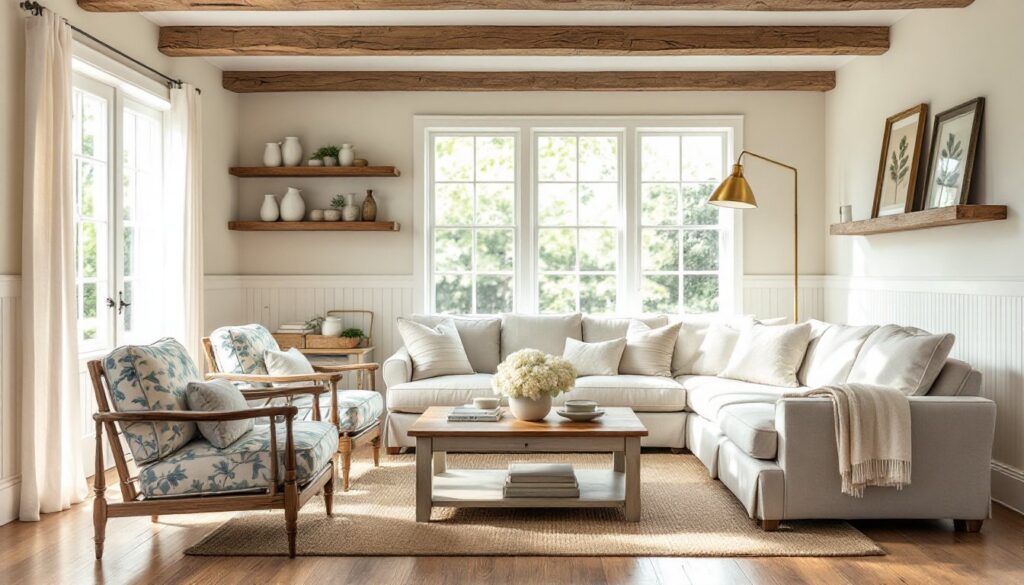

Beach interior design isn’t about cramming seashells into every corner or painting everything aqua blue. It’s a deliberate approach to creating calm, breathable spaces that echo the coast, whether the homeowner’s nearest beach is five miles away or five hundred. This style pulls from natural light, organic materials, weathered textures, and a color palette that mirrors sand, sea, and sky. Done right, it transforms a home into a place where stress checks out at the door. This guide walks through the practical elements, colors, materials, furniture, and accents, that define coastal interiors and shows how to execute them without veering into theme-park territory.
Table of Contents
ToggleKey Takeaways
- Beach interior design prioritizes natural light, organic materials, and restrained color palettes to create calm, breathable spaces rather than themed decor with nautical clichés.
- Essential coastal style elements include maximizing natural light with sheer curtains, using open layouts to reinforce airiness, layering textures, and keeping ornamentation minimal for clean sightlines.
- A successful beach interior design color palette features neutral bases (whites, creams, warm grays) with faded accent colors like seafoam and dusty aqua that mimic sun-bleached coastal living.
- Authentic coastal interiors require genuine natural materials—reclaimed wood, linen, cotton, jute, stone, and ceramic—while avoiding synthetic substitutes that undermine the aesthetic.
- Select coastal furniture with slipcovers in washable fabrics, light finishes, and casual frames prioritizing comfort and durability over formal design details like tufting and nailhead trim.
- Beach interior design works in any climate when executed with disciplined material choices, proper lighting, and personality-driven accents that reflect restraint rather than excessive “beachy” kitsch.
What Is Beach Interior Design?
Beach interior design, also called coastal style, is rooted in the architecture and aesthetics of seaside living. It borrows from traditional beach cottages, nautical heritage, and the casual, sun-bleached look of homes that spend decades near saltwater. The core principle is simplicity: uncluttered layouts, airy rooms, and materials that age gracefully with use and UV exposure.
Unlike themed decor (anchors, ship wheels, “Life’s a Beach” signs), true coastal design focuses on evoking a feeling rather than literally illustrating the ocean. Think linen slipcovers instead of novelty throw pillows, driftwood coffee tables instead of plastic seahorses. It shares DNA with modern beach house interiors that strip away excess ornamentation in favor of clean lines and natural finishes.
This style works in any climate. A landlocked ranch in Kansas can channel coastal calm just as effectively as a bungalow in Cape Cod, it’s about material choices, light management, and restraint. The goal is to make a space feel like it’s always ten degrees cooler and twenty percent less stressful than the outside world.
Essential Elements of Coastal Style
Coastal interiors are built on a handful of non-negotiable elements. Nail these, and the rest falls into place.
Natural Light is the foundation. Maximize it with sheer curtains (linen or cotton voile work best), minimal window treatments, or plantation shutters that adjust for privacy without blocking sun. South- and east-facing rooms get priority. If natural light is limited, use daylight-spectrum LED bulbs (5000K–6500K) to mimic it, incandescent yellows kill the vibe.
Open Layouts reinforce the breezy aesthetic. Remove non-load-bearing walls where building codes and budgets allow (always get an engineer’s sign-off before touching studs). If demo isn’t an option, use furniture placement to create visual flow between rooms. Avoid heavy drapes or bulky room dividers.
Layered Textures prevent coastal spaces from feeling sterile. Pair smooth painted shiplap with nubby jute rugs, linen upholstery with raw-edge wood shelving, and matte ceramic lamps with glossy glass vases. The variety adds depth without clutter. According to Homedit, mixing textures is one of the hallmarks that separates authentic coastal design from flat nautical clichés.
Minimal Ornamentation keeps sightlines clean. Coastal design doesn’t do tchotchke overload. One statement piece, a driftwood mirror, a vintage oar, a piece of coral in a shadow box, has more impact than a shelf full of tiny shells.
Choosing the Perfect Color Palette for Beach-Inspired Rooms
The coastal color palette mirrors the beach at mid-morning: soft, sun-washed, and never shouty. Start with a neutral base, whites, creams, warm grays, and sandy beiges. These go on walls, ceilings, and large furniture pieces. For paint, look for low-VOC or zero-VOC formulas in eggshell or satin finishes: they’re durable enough for high-traffic areas and cleanable without gloss.
Blues and greens are the accent colors, but skip the primary crayon tones. Think seafoam, sage, dusty aqua, and soft slate, colors that look like they’ve been faded by years of sun. Use them on accent walls (one per room, max), cabinetry, or upholstered pieces. Benjamin Moore’s “Palladian Blue” and Sherwin-Williams’ “Sea Salt” are go-tos for a reason: they shift with natural light and pair well with warm woods.
Weathered neutrals, driftwood gray, sun-bleached taupe, sand dollar beige, add dimension without competing for attention. These work on flooring, trim, and larger furniture. If painting wood furniture, use chalk paint or milk paint for a matte, slightly distressed finish that mimics natural aging.
Avoid stark white-on-white unless the home has killer natural light and high ceilings: otherwise it reads sterile instead of serene. And resist the urge to add navy blue everywhere, it’s overused and often tips into nautical theme territory. Coastal design advice on MyDomaine emphasizes restraint with accent colors to maintain a cohesive, calming environment.
Natural Materials and Textures That Define Coastal Living
Material choice is where coastal design earns its authenticity. Synthetic substitutes, laminate “wood,” plastic wicker, polyester throw blankets, undermine the whole aesthetic.
Wood should look and feel weathered. Reclaimed pine, whitewashed oak, and natural cedar are ideal. For flooring, consider wide-plank engineered hardwood (7″ or wider) in light finishes: it’s more stable in humid climates than solid hardwood and easier to install over concrete slabs. If budget’s tight, luxury vinyl plank (LVP) in a weathered oak or driftwood finish is acceptable, just make sure it’s 6+ mm thick with a 20-mil wear layer for durability.
Natural fiber rugs, jute, sisal, seagrass, ground the space and add texture underfoot. Jute is softest: sisal is most durable: seagrass resists stains but can feel scratchy. All three shed initially and need a rug pad to prevent slipping on hard floors. Size matters: in living rooms, the rug should extend at least 6″ beyond the front legs of sofas and chairs.
Linen and cotton dominate soft goods. Linen drapes, slipcovers, and bedding wrinkle easily, that’s part of the charm. Pre-wash before hemming (linen shrinks 3–5% on first wash). Cotton canvas works for casual dining chairs and outdoor cushions. Avoid heavy velvets, synthetic microfibers, and anything with a sheen.
Woven materials, rattan, wicker, bamboo, add organic curves. Use them for light fixtures, chair frames, or storage baskets. Real rattan (not resin) is indoor-only: it cracks outdoors. Wicker refers to the weave, not the material, so check what it’s made from.
Stone and ceramic bring in cool, tactile surfaces. Marble or quartz countertops in white or soft gray, ceramic table lamps with crackle glazes, and stoneware dishes in matte finishes all fit. Much like Greek-inspired interiors, coastal design leans heavily on natural stone and plaster textures to evoke timeless, sun-soaked spaces.
Furniture Selection for a Relaxed Beach House Vibe
Coastal furniture should look like it’s been there forever and can survive a sandy dog, wet swimsuits, and the occasional spilled margarita. Durability and comfort trump fussiness.
Upholstered pieces: Choose slipcover sofas and chairs in washable fabrics. Linen and cotton duck are traditional: performance linen blends (linen mixed with polyester) resist stains better and cost about 20% more but hold up longer. Loose-back cushions and deep seats make for better lounging than tight, formal frames. Avoid tufting and nailhead trim, they’re too formal.
Wood furniture: Go for light finishes or painted pieces in white, cream, or soft gray. Avoid dark espresso or cherry tones: they’re too heavy. Tables and chairs with turned legs, X-braces, or trestle bases have a casual, farmhouse-meets-coast feel. If buying new, solid wood (even pine) beats MDF or particleboard for longevity.
Case goods (dressers, sideboards, bookshelves): Whitewashed or natural wood with visible grain works best. Open shelving in kitchens and living rooms keeps the look airy, just be ready to keep it organized, because clutter shows. If closed storage is needed, use shaker-style cabinets or simple flat-front doors without ornate hardware.
Outdoor furniture often migrates indoors in coastal homes. Teak benches, aluminum-frame chairs with Sunbrella cushions, and powder-coated metal stools all cross over. Just verify weight limits, outdoor pieces are sometimes lighter-duty than indoor equivalents.
Skip oversized sectionals unless the room is truly large (400+ sq ft). They dominate the space and block flow. Instead, use a sofa plus a pair of armchairs or a loveseat.
Decorative Accents and Accessories to Complete the Look
Accessories are where personality enters, but restraint is still the rule. A few well-chosen pieces beat a wall of “beachy” kitsch.
Artwork: Lean toward abstract seascapes, black-and-white coastal photography, or botanical prints (palm fronds, seagrass). Frame in simple wood or metal: skip ornate gilt frames. Galleries on Home Bunch showcase how understated art keeps coastal interiors feeling curated, not cluttered.
Lighting: Woven pendant lights (rattan, bamboo, or wicker) work over kitchen islands and dining tables. For task lighting, use ceramic or glass table lamps with linen drum shades. Avoid nautical-themed fixtures (brass ship lanterns, rope-wrapped chandeliers) unless the home is an actual boat.
Mirrors: Large mirrors amplify natural light. Look for driftwood frames, rope-wrapped edges, or simple wood frames painted white. Hang opposite windows to bounce light deeper into the room.
Greenery: Potted palms, fiddle-leaf figs, snake plants, and succulents all fit. Use ceramic or terracotta pots in white, cream, or natural clay, no bright colors. Real plants trump faux, but high-quality artificial options exist for low-light spots.
Throws and pillows: Stick to solids, stripes, or subtle patterns. Linen, cotton, and chunky knit throws in whites, blues, and sandy tones layer well on sofas. Limit pillows to three or four per sofa: more looks staged.
Collected objects: Driftwood, coral specimens (sustainably sourced or vintage), glass fishing floats, and large shells (conch, whelk) displayed singly or in small groups. Avoid covering every surface. One statement piece per room is enough. When decorating rental spaces, coastal accents offer broad appeal without alienating guests who prefer other styles.
Conclusion
Beach interior design isn’t a weekend paint job, it’s a material and spatial strategy that prioritizes light, texture, and restraint. When executed with attention to real wood, natural fibers, and a disciplined color palette, it creates spaces that feel perpetually on vacation without the gimmicks. Start with one room, get the foundational elements right, and expand from there.