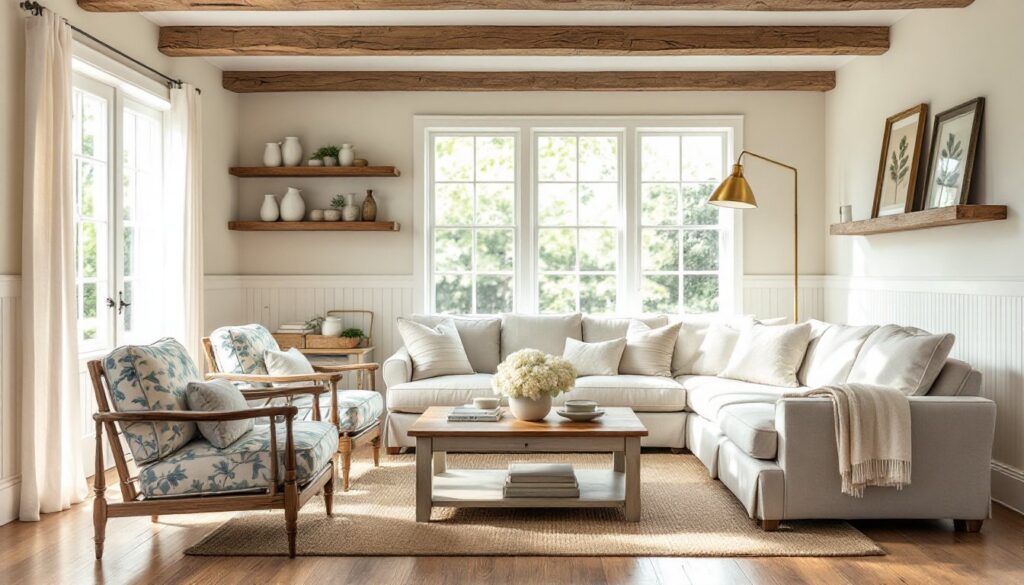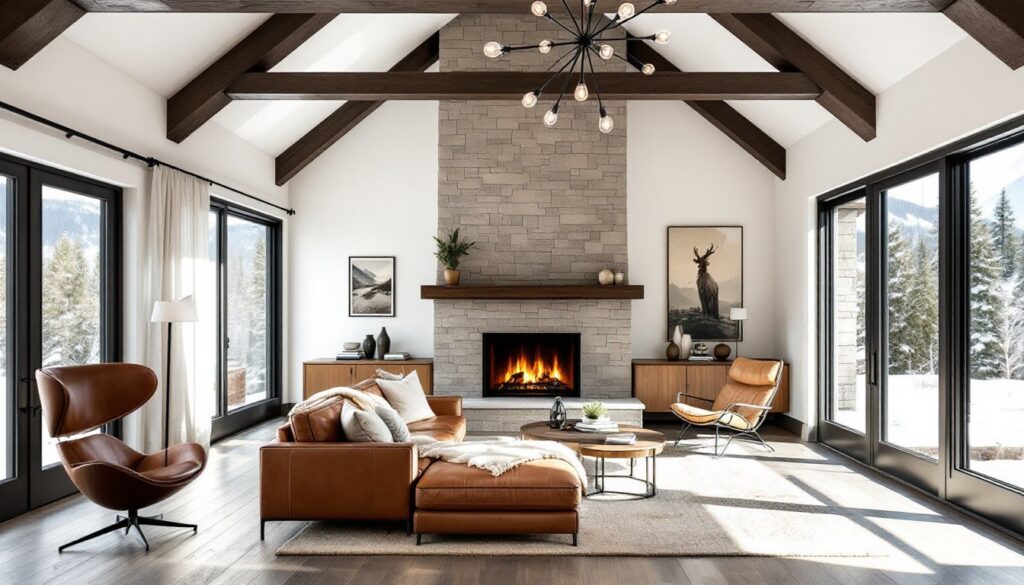

Living in a historic home means stewarding a piece of architectural history, complete with character-filled quirks and charm most new construction can’t touch. But honoring the past doesn’t mean living in a museum. The best historic interiors strike a balance: they respect the original craftsmanship while making the space livable, comfortable, and uniquely yours. Whether you’re restoring a Victorian painted lady or refreshing a Craftsman bungalow, understanding your home’s bones and working with, not against, its inherent character will yield the most satisfying results.
Table of Contents
ToggleKey Takeaways
- Identify your home’s architectural period and era first—research original blueprints, molding profiles, hardware styles, and construction methods to guide every design decision in historic home interior design.
- Balance authenticity with modern comfort by designating public spaces for period accuracy while allowing kitchens, bathrooms, and private areas to embrace contemporary function and building code compliance.
- Use era-specific paint palettes as inspiration—Victorians favored rich saturated hues, Craftsman homes used earthy natural tones, and Colonial Revival featured softer restrained colors—then adjust for your home’s natural light and personal taste.
- Restore and showcase original architectural features like hardwood floors, crown molding, built-ins, and period hardware rather than removing them, as these details are your home’s fingerprints and add immense character.
- Layer your lighting with period-appropriate fixtures, discreet task lighting, and dimmer switches while avoiding recessed can lights in primary rooms; choose warm-toned bulbs (2700K or lower) to complement wood trim and historic paint colors.
- Furnish with a thoughtful mix of eras and quality pieces—blend vintage finds with mission-style or reproductions that respect scale and proportion—to create a collected, lived-in aesthetic that avoids feeling like a time capsule.
Understanding Your Home’s Architectural Period
Before you paint a single wall or buy a piece of furniture, identify your home’s architectural style and era. This isn’t academic trivia, it’s the foundation of every design decision you’ll make.
Common periods include Victorian (1837–1901), characterized by ornate trim, high ceilings, and asymmetrical layouts: Craftsman (1905–1930), known for built-ins, exposed beams, and handcrafted details: Colonial Revival (1880–1955), featuring symmetrical facades and classical elements: and Mid-Century Modern (1945–1969), with clean lines and open floor plans.
Check your local historical society or municipal archives for original blueprints, photos, or construction records. Many cities maintain databases of landmark properties. Look for clues in the home itself: molding profiles, hardware styles, window configurations, and flooring patterns all tell a story.
Understanding period-specific construction methods also helps. For example, Victorian homes often have plaster-over-lath walls, while Craftsman-era houses might feature douglas fir or redwood trim. Knowing what’s original versus what’s been altered over time will guide your restoration priorities and help you avoid costly mistakes like removing a load-bearing wall mistaken for a later addition.
Balancing Authenticity with Modern Comfort
Strict period accuracy can feel stuffy and impractical. Most homeowners want the soul of their historic house without sacrificing modern conveniences.
Start by deciding which rooms require the most authenticity. Public spaces like entryways, living rooms, and dining rooms benefit from period-appropriate treatments. Private spaces, bathrooms, kitchens, and closets, can embrace modern function without guilt. A Victorian parlor with original picture rail molding can coexist beautifully with a kitchen sporting contemporary cabinetry and appliances, as long as material choices and proportions respect the home’s scale.
When updating mechanicals, hide modern intrusions thoughtfully. HVAC ducts can be routed through closets or boxed into trimmed soffits. Recessed lighting works in closets and task areas, but avoid drilling dozens of can lights into original plaster ceilings in primary rooms. Instead, use period-appropriate surface-mounted or pendant fixtures.
Building codes trump historical purity when safety is at stake. If your jurisdiction requires GFCI outlets in bathrooms or upgraded electrical panels to meet NEC standards, do it. Many home remodeling designers specialize in blending code compliance with historic aesthetics, don’t hesitate to consult one for complex projects.
Furnish with a mix of eras. A 1920s Craftsman looks great with period Mission-style pieces, but throwing in a mid-century modern chair or contemporary art keeps the space from feeling like a time capsule. Eclectic layering feels collected and lived-in, not staged.
Color Palettes That Complement Historic Architecture
Historic homes were often painted in era-specific palettes, and returning to those roots, or at least nodding to them, grounds your interior in its architectural context.
Victorian palettes leaned into rich, saturated hues: deep reds, forest greens, golds, and burgundies, often used in multiple colors per room to highlight intricate trim. Craftsman-era homes favored earthy, natural tones, warm browns, mossy greens, soft yellows, and terracotta, that echoed the Arts and Crafts movement’s connection to nature. Colonial Revival interiors used softer, more restrained colors like muted blues, grays, creams, and sage greens.
Research documented historic paint colors for guidance, but don’t feel obligated to match them exactly. Modern paint formulations differ from historic oil-based or lime-wash finishes, and lighting conditions have changed. Instead, use period palettes as inspiration and adjust saturation or undertones to suit your taste and your home’s natural light.
Trim color is critical. In many Victorian and Craftsman homes, woodwork was stained or left natural, stripping decades of white paint off original fir or oak trim can be labor-intensive but transformative. If your trim is painted and you prefer it that way, choose a color that contrasts gently with walls rather than stark white, which can feel too contemporary.
Test colors in multiple lights, daylight, overcast, and evening, before committing. Historic homes often have smaller windows and darker rooms than modern builds, so colors that look soft in a paint store can read much deeper on the wall.
Choosing Furniture and Decor for Period-Appropriate Style
You don’t need a house full of antiques to achieve a period-appropriate look, but furniture scale, proportion, and style should complement, not fight, your home’s architecture.
In Victorian homes with tall ceilings and ornate details, furniture can be more substantial and decorative. Look for pieces with turned legs, carved details, and rich upholstery. Avoid ultra-modern minimalism: it’ll feel out of place.
Craftsman interiors call for furniture with clean lines, visible joinery, and natural materials. Mission-style or Arts and Crafts pieces in oak or cherry work beautifully. Upholstery in leather, linen, or wool keeps the look grounded. Built-in benches, window seats, and bookcases were hallmarks of the style, so if your home still has them, style them as focal points.
Colonial Revival and Federal-style homes pair well with traditional American furniture, Windsor chairs, gate-leg tables, Chippendale or Queen Anne reproductions. Symmetry matters in these homes, so arrange furniture with balance in mind.
Decor should feel curated, not cluttered. Vintage textiles, period-appropriate light fixtures, botanical prints, and handmade ceramics add warmth without veering into kitsch. A modern classic interior approach can adapt traditional forms with updated fabrics and finishes.
Avoid generic big-box furniture that lacks personality. Mixing vintage finds, estate sale scores, and a few quality reproductions creates depth and authenticity that flat-pack particleboard never will.
Restoring and Highlighting Original Architectural Features
Original details, trim, moldings, built-ins, hardware, flooring, and mantels, are your home’s fingerprints. Restoring and showcasing them should be a top priority.
Start with an honest assessment. What’s original, what’s been replaced, and what’s salvageable? Crown molding, baseboards, and door casings might be buried under layers of paint. Carefully strip or clean them using appropriate methods: heat guns and scrapers for thick paint buildup, chemical strippers for intricate profiles. If you’re working with lead paint (common in pre-1978 homes), follow EPA RRP guidelines and use proper PPE, respirator, gloves, and sealed work areas.
Hardwood floors often hide under carpet or linoleum. Pulling up flooring is a DIY-friendly task, but refinishing requires either renting a drum sander and edger or hiring a pro. If original floors are too damaged, consider patching with reclaimed wood of the same species and age.
Built-ins, bookcases, window seats, buffets, and linen cabinets, were standard in many historic homes and add immense character. Repair them rather than removing them. Replace missing hardware with period reproductions from specialty suppliers: modern brushed nickel pulls look wrong on a 1910 oak built-in.
Mantels and fireplace surrounds are often focal points. If yours is damaged or missing, architectural salvage yards carry period-appropriate replacements. Many regions have these, and pieces from homes of the same era and style can integrate seamlessly.
Don’t forget ceilings. Medallions, tin tiles, and coffered details are worth preserving. If original elements are too far gone, high-quality reproductions in plaster or polyurethane can be acceptable substitutes, just match the scale and style carefully.
Updating Lighting While Preserving Historic Charm
Historic homes weren’t built for modern lighting needs, but you can improve function without sacrificing character.
Start by restoring or reproducing period-appropriate fixtures. Many original fixtures, particularly in Craftsman and Victorian homes, were gas-electric hybrids or early electric chandeliers and sconces. Rewiring these for modern use is often straightforward for a licensed electrician. If originals are missing, reproduction fixtures are widely available. Look for makers that specialize in Arts and Crafts, Victorian, or Colonial Revival styles, and pay attention to materials, solid brass, hand-blown glass, and mica shades are worth the investment.
Layer your lighting. Historic interiors relied on ambient light from chandeliers and sconces, but task lighting is essential for modern living. Add discreet under-cabinet lighting in kitchens, adjustable reading lamps in living areas, and picture lights over artwork. Just keep the fixtures low-profile or period-sympathetic.
Avoid recessed can lights in primary rooms. They punch holes in original plaster ceilings and break the visual plane. If you need supplemental overhead light, surface-mounted fixtures or track lighting designed to mimic vintage styles work better.
Dimmer switches are your friend, they let you control mood and highlight architectural details. Install them on chandeliers and sconces, and choose incandescent or warm-toned LED bulbs (2700K or lower) to mimic the glow of early electric or gas light. Cool-toned LEDs look harsh against wood trim and period paint colors.
When working with vintage fixtures, ensure all wiring meets current NEC code. Cloth-covered wiring and old sockets should be replaced. If you’re not comfortable doing electrical work, hire a licensed electrician. This isn’t the place to DIY if you’re unsure.
For homeowners exploring how interior design fundamentals apply to historic spaces, lighting serves as both a practical upgrade and a design statement that bridges past and present.
Conclusion
Designing the interior of a historic home is equal parts detective work, craftsmanship, and creative expression. By understanding your home’s architectural roots, respecting its original features, and thoughtfully blending period style with modern livability, you create a space that honors its past while serving your present needs. Take your time, do your research, and don’t be afraid to get your hands dirty, the results are worth it.