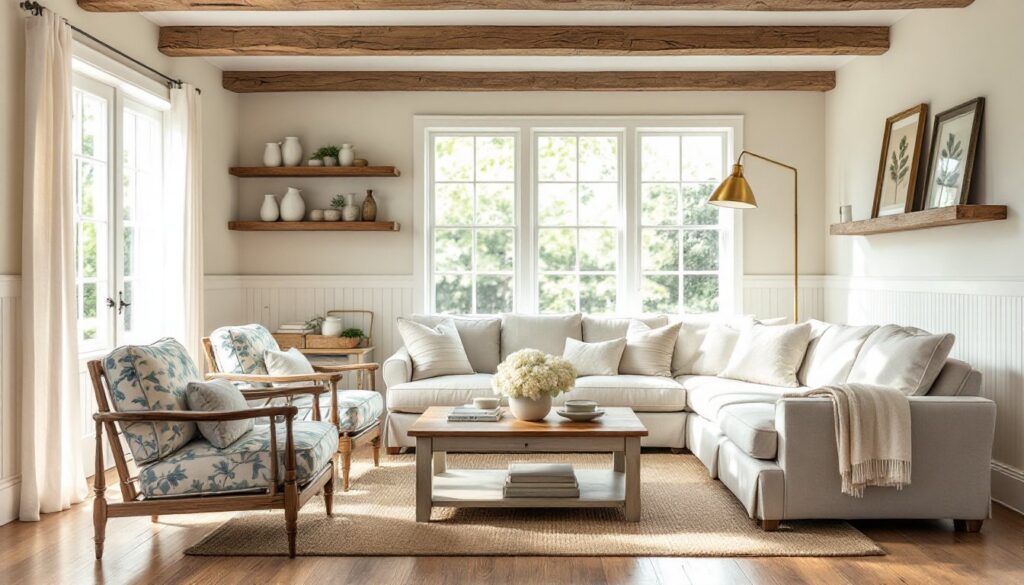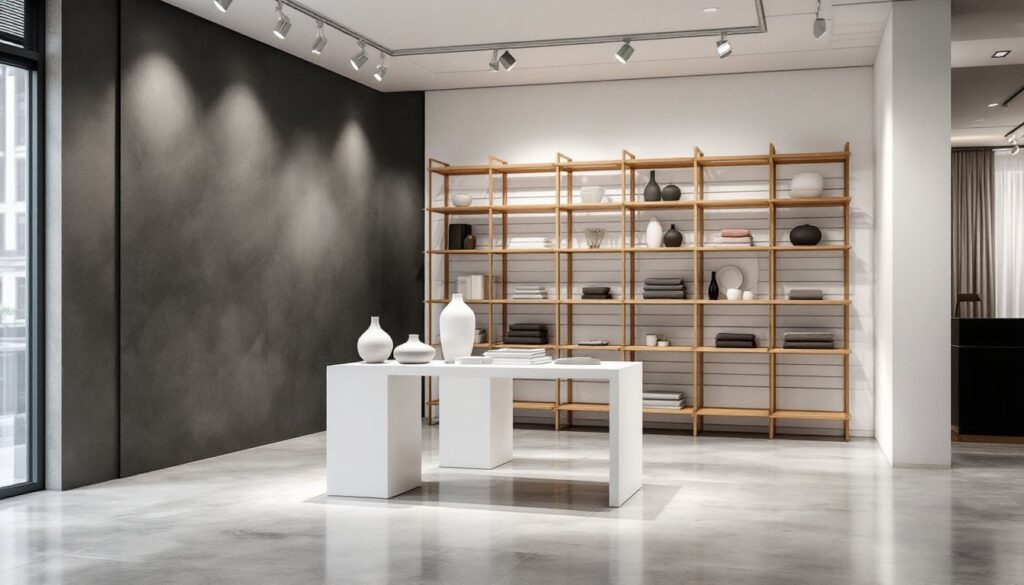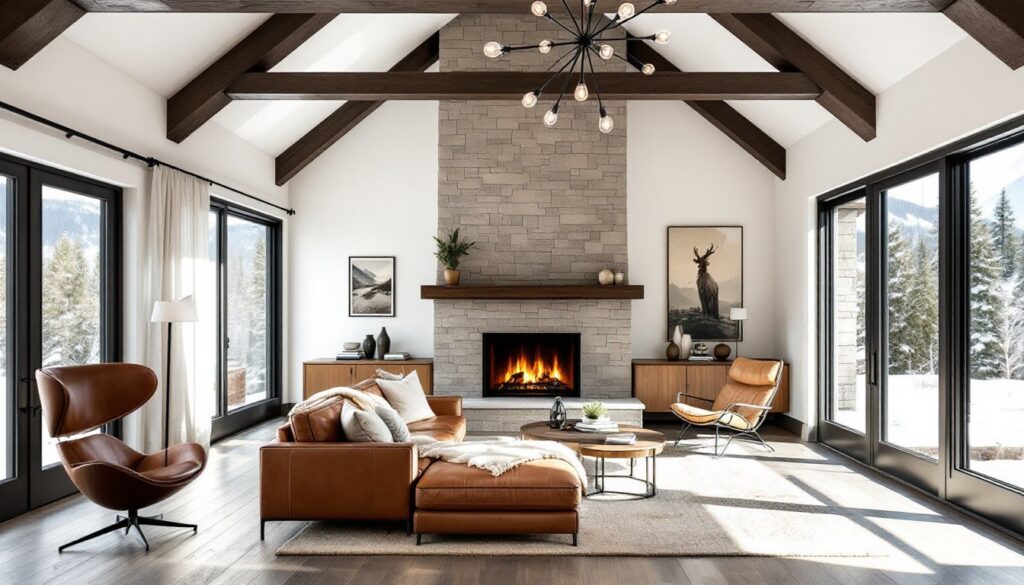

Interior design isn’t rocket science, but it’s also not just throwing a few throw pillows on a couch and calling it a day. It’s about creating functional, comfortable spaces that reflect how a homeowner actually lives, not how a magazine thinks they should. For beginners, the challenge isn’t lack of creativity: it’s knowing where to start, what rules matter, and which ones can be bent. This guide cuts through the fluff and focuses on the practical fundamentals: understanding design basics, assessing space honestly, applying proven principles, budgeting smartly, tackling projects room by room, and avoiding the most common pitfalls that trip up first-timers.
Table of Contents
ToggleKey Takeaways
- Interior design for beginners starts with understanding three core pillars: function, aesthetics, and flow—ensuring each room does what it’s supposed to while looking good and moving smoothly.
- Measure your space accurately, identify fixed elements like flooring and built-ins, and observe natural light before making any purchases to prevent costly mismatches.
- Apply the 60-30-10 color rule and layer three types of lighting (ambient, task, and accent) to create balanced, well-lit rooms that feel intentional and comfortable.
- Prioritize investment pieces like quality sofas and solid wood tables, while refreshing smaller elements through affordable textiles, paint, and strategic secondhand shopping.
- Avoid common beginner mistakes like pushing all furniture against walls, ignoring scale, relying on overhead lighting alone, and hanging artwork too high at 57–60 inches from the floor.
Understanding the Fundamentals of Interior Design
Interior design rests on three core pillars: function, aesthetics, and flow. Function means a space does what it’s supposed to, a kitchen facilitates cooking, a bedroom promotes rest, a home office supports productivity. Aesthetics covers the visual appeal: color, texture, pattern, and style. Flow refers to how people move through and use the space.
Start by asking what each room needs to accomplish. A living room that hosts game nights requires different furniture placement and lighting than one used primarily for quiet reading. Form follows function, always.
Scale and proportion matter more than most beginners realize. A sectional sofa that looks perfect in a showroom can overwhelm a 12×14 living room. Furniture should fit the room’s dimensions, not just physically squeeze in, but visually balance the space. As a rule of thumb, leave at least 30 inches of walking space around furniture, and 14–18 inches between a coffee table and seating.
Lighting is the unsung hero of interior design. Every room needs three types: ambient (general overhead), task (focused work lighting), and accent (highlighting features). A single ceiling fixture rarely does the job. Layer in table lamps, floor lamps, or under-cabinet strips where needed. Dimmer switches add flexibility without rewiring.
Texture and pattern add depth without requiring a big budget. Mixing materials, linen curtains, a jute rug, velvet pillows, a wood coffee table, creates visual interest even in a neutral palette. Don’t shy away from pattern, but keep scale varied: pair large-scale prints with small geometric or solid fabrics to avoid visual chaos.
Assessing Your Space and Defining Your Style
Before buying a single item, measure the space. Use a 25-foot tape measure and note ceiling height, window dimensions, door swing clearance, and any architectural quirks like angled walls or support columns. Sketch a rough floor plan on graph paper (¼ inch = 1 foot works well) or use a free app like MagicPlan.
Observe natural light throughout the day. North-facing rooms get cooler, indirect light: south-facing rooms stay brighter and warmer. This affects paint color choices, what looks soft and creamy in the store can read stark white under strong southern sun.
Identify fixed elements that aren’t changing: flooring, built-ins, countertops, tile. These become anchor points for the color palette and material choices. Trying to fight existing finishes usually ends in frustration and budget overruns.
How to Identify Your Personal Design Aesthetic
Style isn’t about memorizing design movements: it’s about recognizing what resonates. Spend time browsing design resources like Homedit or House Beautiful and save images that appeal, not because they’re trendy, but because they feel right.
Look for patterns in saved images. Do they lean minimal or layered? Neutral or colorful? Rustic or sleek? Are there repeated elements like arched doorways, metal accents, or natural wood?
Create a physical mood board using paint chips, fabric swatches, and printouts. Digital boards are convenient, but tactile samples show true color and texture under home lighting. This step prevents costly mismatches between online purchases and reality.
Don’t force a single style. Most real homes blend influences, a modern classic interior might mix traditional furniture forms with contemporary art and lighting. Aim for cohesion, not strict adherence to a label.
Essential Design Principles Every Beginner Should Know
Balance keeps a room from feeling lopsided. Symmetrical balance (matching nightstands flanking a bed) feels formal and calm. Asymmetrical balance (a large plant on one side, a cluster of smaller items on the other) feels more dynamic but requires a good eye for visual weight.
Contrast creates focal points. It can be as simple as dark furniture against light walls, or mixing smooth and rough textures. Without contrast, rooms feel flat and forgettable.
The 60-30-10 rule simplifies color distribution: 60% dominant color (walls, large furniture), 30% secondary color (upholstery, curtains), 10% accent color (pillows, art, accessories). This formula prevents color overload while maintaining interest.
Repetition and rhythm unify a space. Repeating a color, shape, or material in multiple spots, blue pillows echoing blue in artwork, round mirrors playing off a round coffee table, creates visual flow. Vary the scale to avoid monotony.
Focal points anchor a room’s design. In living rooms, it’s often a fireplace or large window. In bedrooms, the bed. Arrange furniture to emphasize, not compete with, the focal point. If a room lacks a natural focal point, create one with a statement wall, large artwork, or bold furniture piece.
Negative space, empty areas, is not wasted space. Rooms need breathing room. Overcrowding makes spaces feel cluttered and chaotic, no matter how nice individual pieces are. When in doubt, remove one item rather than add another.
Creating a Budget-Friendly Design Plan
Set a realistic budget before browsing stores. Include a 15–20% buffer for unexpected costs, shipping, assembly, or that perfect lamp found mid-project. Breaking the budget into categories helps: 40% furniture, 30% decor and accessories, 20% window treatments and rugs, 10% contingency.
Prioritize investment pieces: a quality sofa, a solid wood dining table, a good mattress. These see heavy use and last years. Budget-friendly options work fine for trendy accents that might change with tastes.
Paint delivers the most dramatic change per dollar spent. A gallon of quality interior paint covers roughly 350–400 square feet and runs $30–60. Refreshing walls can transform a room for under $100 in materials. DIYers comfortable with a roller and painter’s tape can handle most rooms in a weekend.
Shop secondhand strategically. Solid wood furniture from estate sales or thrift stores can be refinished or painted. Check joinery, dovetail joints and mortise-and-tenon construction indicate quality worth refurbishing. Avoid particleboard or MDF pieces unless they’re already in excellent condition: they don’t hold up to refinishing.
Textiles and accessories refresh a space without full redesigns. Swapping throw pillows, adding a new rug, or changing curtains updates a room seasonally for a fraction of furniture replacement costs. Those following interior design principles can achieve high-impact changes through affordable accents.
DIY what makes sense for skill level. Installing curtain rods, assembling furniture, or painting requires basic tools but saves labor costs. Leave electrical work, structural changes, or anything requiring permits to licensed professionals. A botched DIY electrical job can cost thousands to fix, or worse.
Room-by-Room Design Tips for Beginners
Living rooms should help conversation. Arrange seating in a U-shape or facing configuration, no more than 8–10 feet apart. Floating furniture away from walls often improves flow in medium to large rooms. Anchor seating areas with an appropriately sized rug, front furniture legs should rest on it, or all legs if the rug is large enough.
Bedrooms benefit from symmetry and simplicity. Position the bed as the focal point, ideally centered on the main wall with nightstands flanking it. Task lighting for reading (bedside lamps or sconces) prevents eye strain. Blackout curtains or shades improve sleep quality, especially in east-facing rooms.
Kitchens prioritize the work triangle: sink, stove, and refrigerator should form a triangle with each leg between 4–9 feet. This isn’t always adjustable without major renovation, but understanding it helps optimize smaller changes. Lighting is critical, add under-cabinet LED strips for task lighting (about 300 lumens per linear foot for adequate illumination). Storage solutions like drawer dividers, lazy Susans, and pullout shelves maximize existing cabinets without remodeling costs.
Bathrooms demand moisture-resistant materials and proper ventilation. An exhaust fan rated for the room’s square footage (CFM rating = square footage plus 50 for enclosed toilets) prevents mold. Lighter colors make small bathrooms feel larger: if craving color, introduce it through towels, a shower curtain, or a painted vanity rather than permanent tile.
Home offices need task lighting without screen glare. Position desks perpendicular to windows when possible. Adjustable desk lamps with 3000–4000K LED bulbs mimic daylight without harsh blue tones. Dedicated storage (filing cabinets, shelving) keeps work surfaces clear and functional. Rental properties or those planning short-term hosting should prioritize flexible furniture that serves multiple functions.
Common Interior Design Mistakes to Avoid
Pushing all furniture against walls is the default move that rarely works. It creates a bowling alley effect and makes conversation awkward. Pull seating into the room, even just 12 inches, to create cozier groupings.
Ignoring scale leads to mismatched furniture that never quite looks right. Measure doorways and staircases before buying large pieces, a sofa that fits the room but can’t navigate the stairwell is an expensive problem. Online retailers provide dimensions: use them.
Overhead lighting as the only source creates harsh shadows and unflattering ambiance. Rooms need multiple light sources at different heights. Budget $150–300 for a basic living room lighting plan: one floor lamp, two table lamps, or equivalent.
Choosing paint color first locks in decisions before seeing how fabrics and materials interact. Start with foundational elements, flooring, large furniture, rugs, then select wall color to complement. Paint is the easiest element to adjust.
Hanging artwork too high is nearly universal. The center of art should sit at 57–60 inches from the floor (gallery height), not near the ceiling. In spaces with high ceilings or when hanging above furniture, adjust slightly higher but maintain visual connection to the furniture group.
Skipping window treatments because of budget or indecision leaves rooms feeling unfinished. Even inexpensive curtains add softness and frame views. Mount rods 4–6 inches above the window frame and extend them 3–6 inches beyond each side to make windows appear larger. Resources like MyDomaine offer guidance on selecting treatments for various styles.
Following trends blindly dates a space quickly. Trendy accent colors or small accessories are fine, trendy major purchases less so. A western-inspired interior or Greek coastal aesthetic works when it genuinely resonates, not because it’s momentarily popular. Classic foundations with trend-forward accents offer flexibility as tastes evolve.