
Interior design keywords aren’t just buzzwords floating around Pinterest boards, they’re the essential language that helps homeowners communicate their vision, find the right inspiration, and execute projects that actually match what they had in mind. Whether someone’s planning a full room remodel or just trying to figure out what “Scandinavian minimalism” actually means, understanding design terminology makes the difference between guesswork and confident decision-making. These keywords bridge the gap between vague ideas (“I want it to feel cozy”) and actionable plans with specific materials, colors, and layouts. For DIYers tackling their own projects, knowing the right terms means better search results, clearer contractor conversations, and fewer expensive mistakes.
Table of Contents
ToggleKey Takeaways
- Interior design keywords provide a shared vocabulary between homeowners, designers, and contractors, enabling precise communication that prevents costly miscommunication and reduces project mistakes.
- Learning specific interior design keywords like ‘mid-century modern,’ ‘wainscoting,’ and ‘shiplap’ helps you search for accurate inspiration online and refine results by combining three to four terms for highly specific guidance.
- Budget-conscious homeowners should use keywords to understand cost differences between materials—for example, marble countertops cost $100-250 per square foot while quartz runs $60-120, helping you set realistic expectations early.
- Keywords identify which projects are DIY-friendly versus those requiring professional help, such as ‘LED strip lighting’ installation versus ‘recessed lighting’ which requires a licensed electrician.
- Timeless interior design keywords like ‘neutral palette,’ ‘natural materials,’ and ‘functional layout’ create lasting appeal, while trend-driven terms like ‘farmhouse chic’ may feel dated within 5-10 years.
- Documenting your interior design keywords in a project planner with examples and links creates a valuable reference that helps you make confident decisions weeks or months into your renovation or refresh.
What Are Interior Design Keywords and Why Do They Matter?
Interior design keywords are specific terms that describe styles, elements, materials, techniques, and concepts used in decorating and arranging interior spaces. They range from broad aesthetic categories like “industrial” or “coastal” to technical terms like “wainscoting” or “coffered ceiling.”
These keywords matter because they function as a shared vocabulary between homeowners, designers, contractors, and retailers. When someone searches “mid-century modern furniture” online, they get vastly different results than if they’d searched “retro furniture”, even though both might seem similar. The precision matters.
For DIY projects, using the right keywords prevents costly miscommunication. Telling a paint clerk you want a “greige” (gray-beige hybrid) gets you closer to the target than saying “sort of grayish tan.” Similarly, searching for “shiplap installation” yields specific how-to guides, while “wood wall panels” returns everything from acoustic foam to decorative MDF.
Keywords also help homeowners set realistic budgets and timelines. Searching for specific styles reveals typical materials and costs. Someone researching modern classic aesthetics learns they’ll likely need quality hardwoods and neutral palettes, which cost more than bohemian styles that embrace thrifted pieces and bold patterns.
From a practical standpoint, design keywords organize the overwhelming amount of inspiration available online. Platforms like Homedit categorize thousands of images by style, room type, and color scheme, but only if users know which terms to search. Without that vocabulary, homeowners waste hours scrolling through irrelevant ideas.
Essential Interior Design Keywords Every Homeowner Should Know
Style and Aesthetic Keywords
Traditional describes classic, symmetrical designs with rich wood tones, ornate details, and formal furniture arrangements. Think crown molding, tufted upholstery, and antique-inspired pieces.
Contemporary refers to current design trends, whatever’s popular right now. It’s often confused with “modern,” but contemporary evolves constantly while modern refers to a specific mid-20th century movement.
Modern (specifically mid-century modern) emphasizes clean lines, organic curves, minimal ornamentation, and functional furniture from roughly 1945-1970. Materials include teak, walnut, and molded plywood.
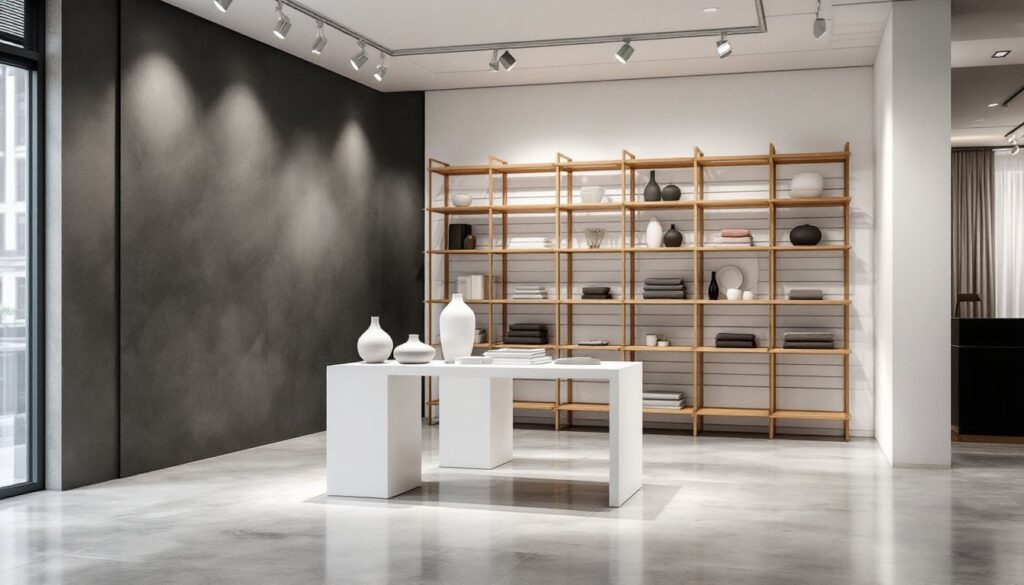
Industrial draws from warehouse and factory aesthetics: exposed brick, metal ductwork, concrete floors, Edison bulbs, and reclaimed wood. It pairs raw materials with open floor plans.
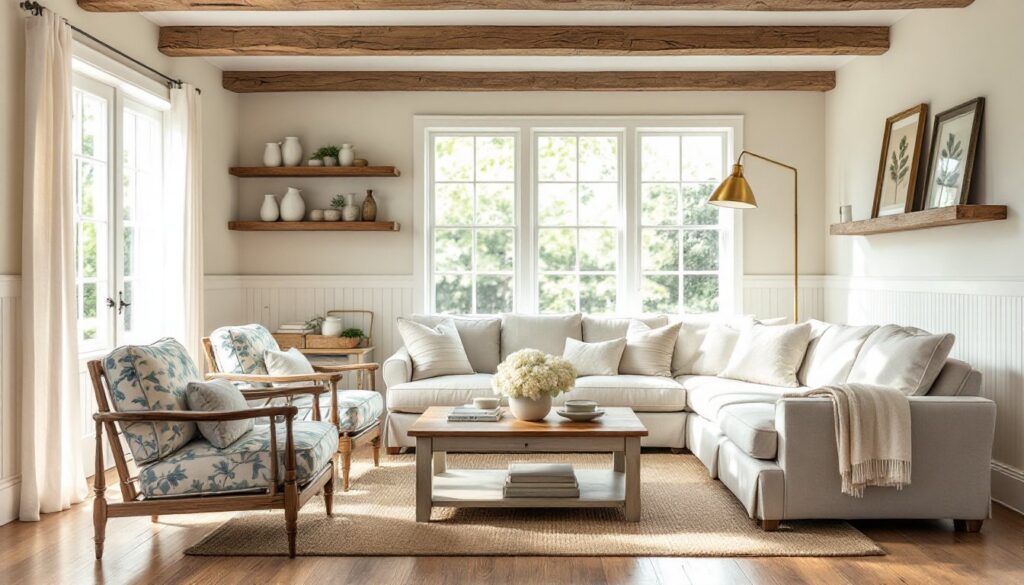
Farmhouse features rustic, country-inspired elements like shiplap walls, barn doors, apron-front sinks, and distressed finishes. The “modern farmhouse” variation adds cleaner lines and neutral palettes.
Scandinavian prioritizes function, simplicity, and natural light. Expect white walls, blonde woods (like birch or ash), minimal clutter, and cozy textiles (the Danish concept of “hygge”).
Bohemian embraces eclectic, lived-in spaces with layered textiles, global-inspired patterns, plants, and collected items. Rules are flexible, mix patterns and colors freely. Sites like MyDomaine showcase how bohemian spaces balance chaos with intentional placement.
Coastal evokes beach-house living with light blues, whites, natural fibers (jute, rattan), and airy layouts. It’s distinct from nautical themes, which lean heavily on anchors and navy stripes.
Transitional blends traditional and contemporary elements, a safe middle ground. It uses classic furniture shapes with modern fabrics, or contemporary layouts with traditional molding.
Functional and Layout Keywords
Open concept removes walls between kitchen, dining, and living areas, creating one large, multi-functional space. Popular in modern homes but may require structural engineering if removing load-bearing walls.
Flow describes how people move through connected spaces. Good flow avoids bottlenecks and creates intuitive paths between rooms.
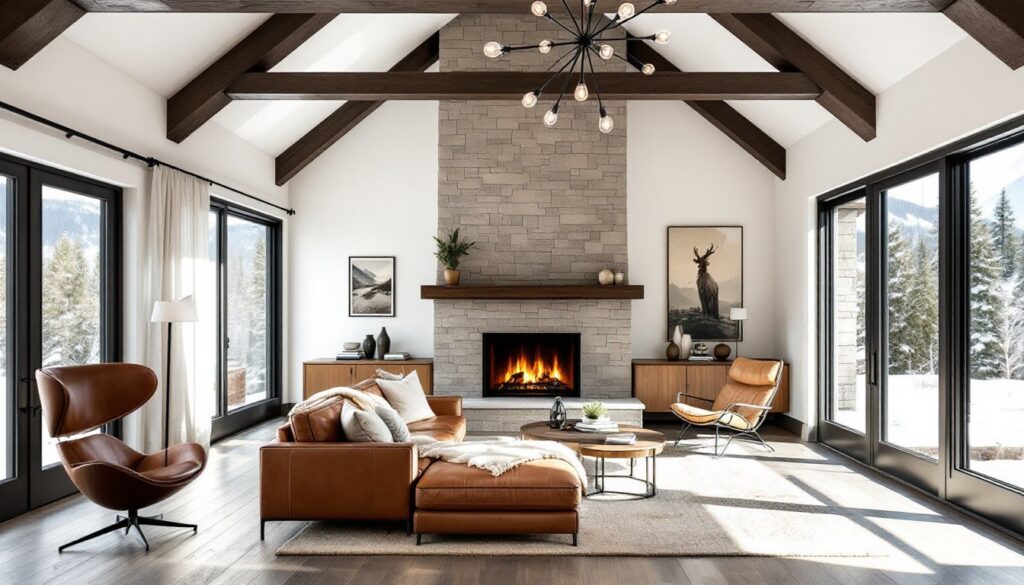
Focal point is the room’s visual anchor, a fireplace, large window, accent wall, or statement piece that draws the eye first.
Scale and proportion refer to how furniture and decor sizes relate to each other and the room. A sectional sofa that fits perfectly in a 20×20 great room overwhelms a 12×14 living room.
Layering builds visual depth through multiple elements: a rug under a coffee table, throw pillows on a sofa, art above a console. It prevents spaces from feeling flat.
Wainscoting is decorative paneling on the lower portion of walls, typically 3-4 feet high. Common in traditional and farmhouse styles.
Shiplap consists of horizontal wooden boards with small gaps between them, popularized by farmhouse and cottage styles in recent years.
Crown molding is the trim installed where walls meet ceilings, adding architectural detail. Comes in profiles from simple to ornate.
Coffered ceiling features recessed panels framed by beams, creating a grid pattern overhead. Adds depth but reduces ceiling height slightly.
Millwork is a broad term for custom woodwork, built-in shelving, cabinetry, window casings, and baseboards.
How to Use Interior Design Keywords for Your Home Projects
Start by building a keyword list that matches the desired outcome. For a kitchen remodel, relevant terms might include “shaker cabinets,” “quartz countertops,” “subway tile backsplash,” and “pendant lighting.” Each keyword opens specific research paths.
Use these keywords in search engines and design platforms to gather visual references. Create a project folder (digital or physical) with images that share common elements. After collecting 20-30 images, patterns emerge, maybe every saved kitchen has white cabinets and brass hardware, or wide-plank oak floors.
Refine searches by combining keywords. “Scandinavian kitchen” returns broad results, but “Scandinavian kitchen with open shelving” narrows it down. Stack three or four terms to find highly specific inspiration that matches the vision.
When shopping for materials, use exact product keywords. “Luxury vinyl plank” yields different options than “vinyl flooring”, LVP specifically refers to rigid-core, wood-look planks that install as a floating floor. “Semi-gloss paint” and “satin paint” have different sheen levels (semi-gloss reflects more light), affecting how they look on walls.
Keywords also help when hiring help. Telling a home remodeling designer you want a “transitional bathroom with a freestanding tub and walk-in shower” communicates more than “updated bathroom.” Contractors can provide accurate quotes when they understand the scope.
For DIY installations, keyword-specific tutorials prevent mistakes. Searching “how to install baseboards” returns general guides, but “how to cope baseboard joints” teaches the specific technique for inside corners (cutting the profile of one board to fit against another). Similarly, “painting cabinets” is too broad, while “how to paint cabinets with a sprayer” or “best primer for laminate cabinets” address actual technique questions.
Document the keyword list in a project planner or spreadsheet. Include the term, why it matters to the project, and links to examples or products. This becomes a reference when making decisions weeks or months later. Resources like Freshome provide detailed breakdowns of how specific keywords translate into real design elements.
Finding the Right Keywords to Match Your Vision and Budget
Budget constraints often determine which keywords are realistic. “Marble countertops” and “quartz countertops” might look similar in photos, but marble costs $100-250 per square foot installed (and requires sealing), while quartz runs $60-120 per square foot with less maintenance. Knowing these distinctions early prevents falling in love with an unaffordable option.
Some style keywords signal higher costs. “Custom millwork,” “coffered ceilings,” and “built-in cabinetry” typically require skilled carpenters and premium materials. In contrast, “peel-and-stick backsplash,” “laminate flooring,” and “stock cabinets” indicate budget-friendly alternatives.
Test keyword combinations to find the sweet spot between vision and budget. If “mid-century modern furniture” returns pieces priced at $2,000+ per item, try “mid-century modern style furniture” or “mid-century inspired.” The latter searches surface affordable reproductions and similar designs.
Use keywords to identify DIY-friendly projects versus those requiring pros. “Installing recessed lighting” involves electrical work (often requiring permits and a licensed electrician per NEC codes), while “installing LED strip lighting” can be a DIY project with plug-in or battery-powered options.
Prioritize keywords by impact. In a living room makeover, “accent wall” and “area rug” create major visual changes for moderate cost and effort. “Crown molding installation” and “built-in shelving” require more skill and investment but deliver permanent value.
Watch for trend-driven keywords that might date quickly. Terms like “farmhouse chic” or “industrial loft” were everywhere 5-10 years ago: some elements still work, but heavy use can feel dated. Classic keywords like “neutral palette,” “natural materials,” and “functional layout” tend toward timeless appeal. Learning the foundational principles helps separate passing fads from enduring design.
Consider maintenance implications hidden in keywords. “Shiplap walls” look great but collect dust in the grooves. “Matte black fixtures” show water spots more than chrome or brushed nickel. “White oak flooring” hides scratches better than dark walnut. These factors affect long-term satisfaction.
For rental properties or Airbnb spaces, certain keywords attract specific demographics. “Coastal decor” and “beachy vibes” appeal to vacation renters, while “minimalist” and “modern” attract business travelers and younger guests.
Finally, cross-reference keywords with local building codes and HOA restrictions. “Exterior paint colors,” “fence styles,” and “window replacements” may have limitations depending on location. A quick call to the local building department clarifies what’s allowed before investing time in Pinterest mood boards.
Conclusion
Interior design keywords transform abstract ideas into concrete action plans. They sharpen online searches, improve communication with contractors and retailers, and help DIYers find the specific guidance they need. The right vocabulary turns overwhelming inspiration into organized, achievable projects, whether that’s a weekend refresh or a multi-month renovation. Start by identifying the styles and elements that resonate, then use those keywords to build a roadmap that matches both vision and budget.