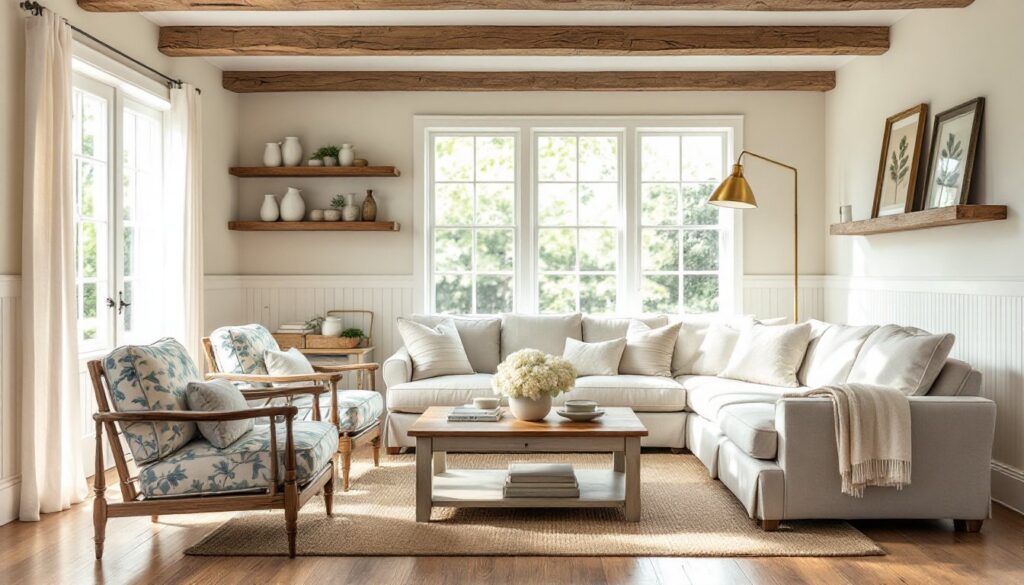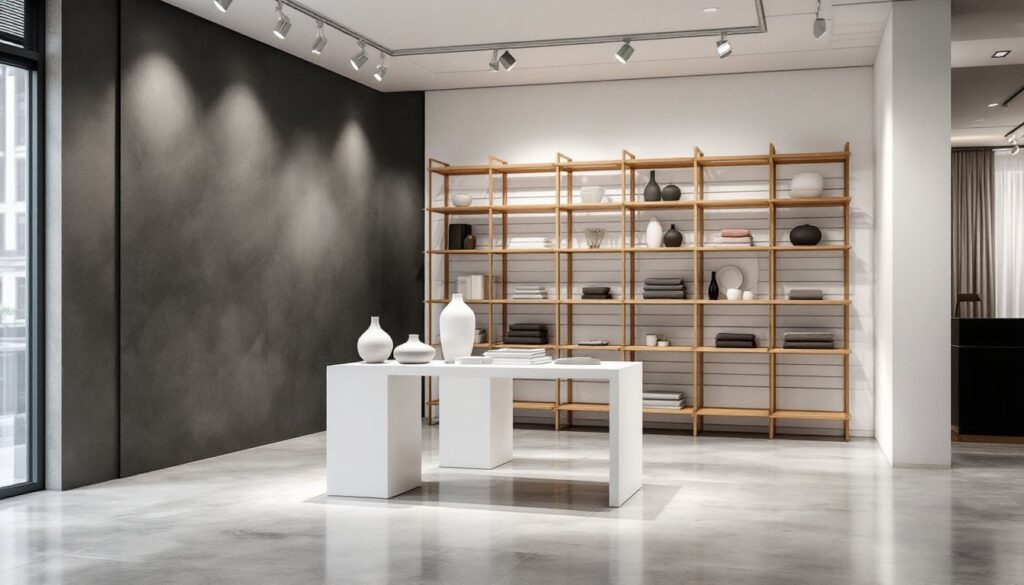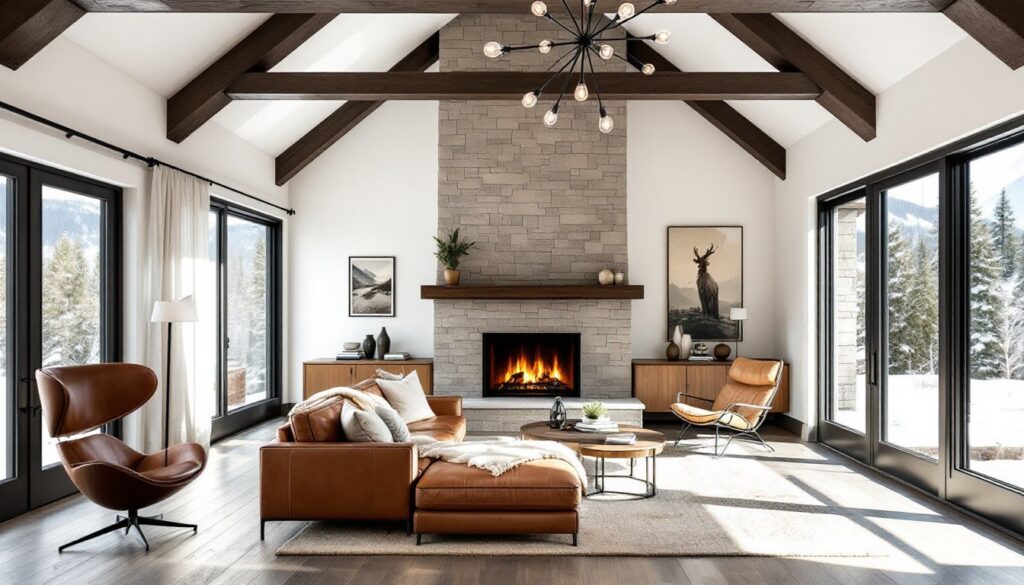

Creating a cohesive home isn’t about following a rigid rulebook, it’s about choosing an interior design theme that speaks to how you actually live. A well-executed theme ties together color palettes, furniture styles, materials, and architectural details into a space that feels intentional rather than random. Whether you’re tackling a full renovation or refreshing a single room, understanding design themes gives you a framework to make confident decisions about everything from paint colors to hardware finishes. This guide breaks down classic and trending themes, helps you pick the right one for your space, and shows you how to execute it without it looking like a showroom.
Table of Contents
ToggleKey Takeaways
- An interior design theme creates visual cohesion by aligning color palettes, furniture styles, materials, and architectural details into an intentional, rather than random, living space.
- Choosing the right interior design theme for your space requires considering your home’s existing architecture, lifestyle needs, and existing furniture rather than forcing a style that doesn’t fit.
- Popular interior design themes range from classic modern and traditional styles to trending options like warm minimalism, Japandi, and grandmillennial that suit different home types and personal aesthetics.
- Successful theme implementation starts with permanent, expensive elements like flooring and cabinetry, then layers in color using the 60-30-10 rule while leaving 20% for unexpected contrast.
- Test design decisions with paint samples, fabric swatches, and mood boards before committing to major changes, as colors and materials look different in your actual space than in photos.
- A well-executed interior design theme increases resale value by signaling thoughtful home maintenance and creating a pulled-together aesthetic that appeals to buyers.
What Are Interior Design Themes and Why Do They Matter?
An interior design theme is the overarching style framework that guides your material choices, color decisions, furniture selection, and decorative elements. Think of it as the blueprint for your aesthetic decisions, not a straitjacket, but a set of guardrails that keeps you from ending up with a farmhouse dining table next to a chrome-and-glass coffee table.
Themes matter because they create visual cohesion. When you walk into a room with a clear theme, your eye flows naturally from one element to the next. Colors complement each other. Materials echo across the space. Proportions feel balanced. Without a theme, rooms often feel chaotic or generic, like a furniture showroom where nothing quite belongs together.
For DIYers planning projects, whether you’re installing trim, selecting tile, or choosing paint, knowing your theme narrows down the universe of choices to a manageable few. Instead of staring at 200 paint chips, you’re looking at the 15 that actually fit your direction. That’s not limiting: it’s liberating.
Themes also increase resale value when executed well. Buyers respond to homes that feel pulled together, even if they can’t articulate why. A cohesive design approach signals that the home has been thoughtfully maintained.
Popular Classic Interior Design Themes
Modern and Contemporary Design Themes
Modern design refers specifically to a mid-20th-century aesthetic (roughly 1920s–1950s) emphasizing clean lines, minimal ornamentation, and function over form. Think flat-panel cabinetry, geometric shapes, and materials like steel, glass, and molded plywood. Color palettes lean toward neutrals with occasional bold accent colors. Modern spaces prize openness, fewer walls, more flow.
Contemporary design is what’s current right now, it evolves continuously. As of 2026, contemporary leans toward sustainable materials, curved furniture silhouettes, and warmer neutrals (greiges, warm whites, soft taupes). Contemporary spaces often mix textures heavily: a linen sofa with a wool rug and ceramic table lamps. Unlike modern’s strict minimalism, contemporary allows for more personality and layering.
Both styles work well in open floor plans and loft-style spaces. If you’re removing walls (always check for load-bearing structure and permits), these themes capitalize on that openness. For trim work, go with simple profiles, flat stock or minimal reveals. Hardware should be sleek: brushed nickel, matte black, or unlacquered brass.
Traditional and Transitional Styles
Traditional design draws from 18th and 19th-century European decor, think English manor houses and French country estates. Expect rich wood tones (cherry, mahogany, walnut), ornate moldings, wainscoting, and crown details. Furniture has curves, turned legs, and upholstery in classic fabrics like damask, velvet, or toile. Color palettes include deep jewel tones, warm creams, and hunter greens.
Traditional design suits homes with existing architectural character, older colonials, craftsman bungalows, or Victorians. If you’re installing trim, go for substantial profiles: 3.5-inch baseboards minimum, picture rail, and layered crown molding. Traditional spaces require more finish carpentry skill, but they reward precision with timeless elegance.
Transitional style bridges traditional and contemporary, mixing the warmth of classic design with the cleaner lines of modern aesthetics. A transitional room might pair a tufted sofa (traditional) with a glass coffee table (contemporary) and simple shaker-style built-ins. It’s the most forgiving theme for homeowners who like both old and new or who are updating a traditional home without gutting its character.
Transitional works everywhere, it’s the chameleon of design themes. For trim, use classic profiles but paint them in contemporary colors. Think white oak floors with a matte finish instead of glossy polyurethane. Hardware can mix finishes: aged brass on cabinetry, matte black on doors.
Trending Interior Design Themes for 2026
Several themes are gaining traction in 2026, driven by sustainability concerns, work-from-home layouts, and a swing away from the all-white minimalism of the 2010s.
Warm Minimalism keeps the clean lines of modern design but ditches the cold, stark look. Expect natural oak or walnut instead of painted white, wool and linen textiles, and earthy color palettes, terracotta, ochre, sage, warm grays. This theme works beautifully in new construction or gut renovations where you’re choosing everything from scratch. Use natural materials like unlacquered brass fixtures that patina over time and textured plaster walls instead of flat drywall.
Japandi (a mash-up of Japanese and Scandinavian design) emphasizes craftsmanship, natural materials, and uncluttered spaces. Think low-profile furniture, Scandinavian-inspired neutrals, and Japanese joinery details. This theme requires restraint, every piece should earn its place. For DIY projects, consider shoji-style sliding doors (use frosted acrylic instead of rice paper for durability), floating shelves in light wood, and tatami-inspired area rugs.
Modern Organic leans heavily into biophilic design, bringing nature indoors through materials, shapes, and literal plants. Curved furniture, live-edge wood tables, stone accents, and abundant greenery define the look. Color palettes are earth-toned: moss, clay, sand, charcoal. For home projects, this theme pairs well with natural stone tile (slate, limestone, travertine), reclaimed wood accent walls, and large windows (if you’re adding or expanding windows, that’s typically a permitted alteration requiring structural work).
Grandmillennial (also called “granny chic”) brings back patterns, color, and traditional details the millennial generation grew up with, chintz, needlepoint, scalloped edges, and vintage collections. This trend works for anyone renovating an older home who wants to embrace its original character rather than fight it. Restore original moldings, refinish hardwood floors to show their age, and don’t be afraid of wallpaper with actual pattern. According to design trend observers, this style celebrates imperfection and collected-over-time aesthetics rather than everything matching.
How to Choose the Right Theme for Your Space
Start with your home’s existing architecture. Fighting your home’s bones is expensive and often looks forced. A 1960s ranch naturally leans toward mid-century modern. A Victorian wants traditional or eclectic. A new-build condo can go contemporary without hesitation. Look at architectural details you can’t easily change: window styles, ceiling height, floor plan layout, existing trim profiles.
Consider how you actually live. If you have kids and pets, stark white minimalism will drive you insane. If you hate clutter, maximalist styles will feel suffocating. If you entertain often, open-plan contemporary or transitional works better than formal traditional with separated rooms. Themes should support your lifestyle, not dictate it.
Assess your existing furniture and belongings. Unless you’re starting from scratch or have a serious budget, you’ll be working with at least some pieces you already own. Choose a theme that accommodates your best existing pieces or be realistic about replacement costs. A modern classic approach can blend inherited traditional pieces with newer contemporary elements.
Factor in regional context and resale. A beachy coastal theme makes sense in Florida or California but might feel out of place in Montana. Super-trendy themes date quickly: if you’re planning to sell within five years, lean toward transitional or contemporary styles with broad appeal.
Test before committing. Buy sample pots of paint, order fabric swatches, visit showrooms to sit on furniture. Design decisions look different in photos than in your actual space with your actual light. If you’re planning major work (new flooring, kitchen renovation), create a sample board with all finishes together before ordering materials.
Tips for Successfully Implementing Your Chosen Theme
Start with the biggest, most permanent elements first. In renovation projects, that means flooring, cabinetry, tile, and paint. These are expensive to change and lock in your direction. For a cohesive look, your wood flooring choice (species, plank width, finish) should align with your theme, wide-plank white oak for modern, narrow strip maple for traditional, reclaimed pine for farmhouse.
Use the 60-30-10 rule for color distribution. Approximately 60% of the room should be your dominant color (usually walls), 30% your secondary color (upholstery, larger accents), and 10% your accent color (pillows, artwork, accessories). This creates visual balance without monotony. Tools like design platforms often show this principle in action across different themes.
Don’t theme-match everything. The most successful spaces layer in unexpected elements, a vintage rug in a modern room, a contemporary light fixture in a traditional space. Aim for 80% on-theme, 20% contrast. This keeps rooms from looking like furniture showroom vignettes.
Pay attention to scale and proportion. A massive sectional overwhelms a small room regardless of style. Delicate furniture gets lost in a large, high-ceilinged space. Your theme influences style choices, but scale is about the room’s actual dimensions. Measure carefully, actual dimensions, not eyeballing.
Invest in good lighting on dimmers. Lighting makes or breaks a theme. Modern spaces need clean-lined fixtures with LED compatibility. Traditional rooms want chandeliers or sconces with warm-toned bulbs. Layer ambient (overhead), task (reading, cooking), and accent (artwork, architecture) lighting. Installing dimmer switches is a straightforward DIY project that dramatically improves ambiance.
Don’t rush the accessories. Many DIYers nail the big stuff then rush to “finish” with random accessories. Live with the space for a few weeks. Notice what it needs. Accessories, artwork, plants, books, collections, should accumulate thoughtfully, not appear overnight. An Airbnb-ready space might need faster styling, but your own home can evolve.
Respect material authenticity within your theme. If your theme emphasizes natural materials, use actual wood and stone, not vinyl plank made to look like wood. If it’s industrial, use real metal and concrete, not faux finishes. Budget constraints are real, but one authentic piece beats three fake ones. Save up, buy less, buy better.
Safety and permits still apply. No design theme exempts you from building codes. If you’re moving plumbing, altering electrical beyond simple fixture swaps, removing walls, or changing windows, check local permit requirements. Cosmetic work, paint, flooring over existing subfloor, trim, lighting fixture replacement, typically doesn’t require permits, but structural, mechanical, and major alterations do.
Choosing and executing an interior design theme is less about perfection and more about creating a space that feels intentional and reflects how you live. Whether you’re drawn to the clean lines of modern aesthetics, the pattern and color of earlier eras, or something entirely your own, the key is committing to a direction and making deliberate choices that support it. Start with one room, get it right, then carry those lessons forward.